













Elmina Aghayeva: elmina aghayeva released after Mamdani meets with Trump

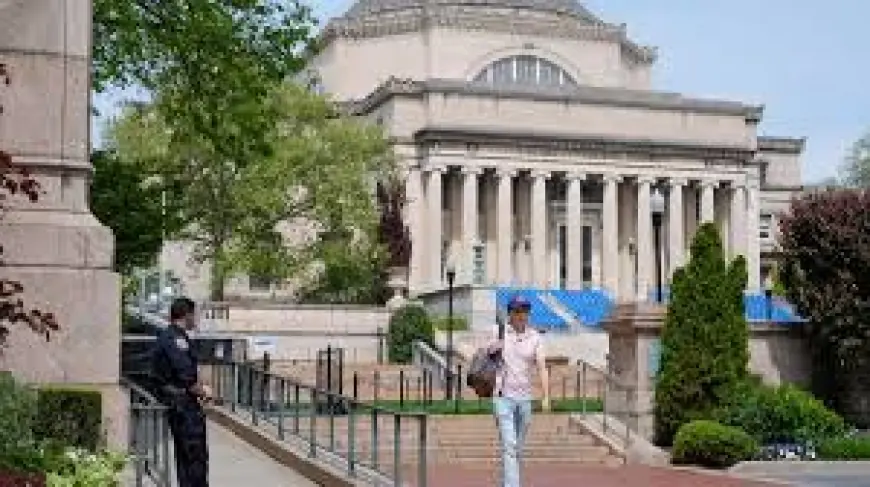
The Columbia University student elmina aghayeva was arrested by federal immigration agents early Thursday and released hours later after New York City Mayor Zohran Mamdani raised the case in a meeting with President Donald Trump, city and university. Aghayeva posted on social media that she was safe and in shock, and university leaders described agents’ entry to a residence as a misrepresentation.
Timeline of the arrest
Early Thursday morning, federal immigration agents entered an off-campus Columbia residential building and detained the student. The university’s acting president, Claire Shipman, said that shortly after 6am five federal agents from the Department of Homeland Security entered without a warrant and that they gained entry by telling building staff they were police searching for a missing child. Shipman said the agents made their way to the student’s apartment with the same story, that security cameras captured the agents in the hallway showing pictures of the alleged missing child, and that once inside the apartment it became clear the agents had misrepresented themselves.
How agents entered the apartment
A public safety officer repeatedly asked the agents for a search warrant and asked whether he could call his boss; Shipman said the agents declined and took the student. Another account said federal agents had gained entry by claiming they were searching for a missing person. A university statement and a petition from the student’s lawyers were cited in describing how the agents entered and removed the student from the apartment.
What the student posted
The student posted multiple messages on social media after the detention. One post said, “DHS illegally arrested me. Please help, ” and a photo with that post appeared to show her legs in the backseat of a vehicle. Minutes after a mayoral post about the case, Aghayeva wrote that she was “I am safe and okay” and that she was in “complete shock” from the experience. In another post she wrote, “I just got out a little while ago, ” and “I am safe and okay. In an uber otw [on the way] home, ” and said she was being inundated with calls from reporters and needed time to process everything: “I need a little bit of time to process everything. I will come back soon. But please don’t worry. ”
Mayor, president and immediate release
Mayor Zohran Mamdani said in a social media post that he raised concerns about the arrest during an unrelated meeting with President Donald Trump, and that Trump agreed to release the student immediately. Mamdani wrote that in their meeting he had shared his concerns about the Columbia student Elmina Aghayeva, who had been detained that morning, and that Trump informed him she would be “released imminently. ” Shortly after Mamdani’s post, the student’s social media updates confirmed she had been freed.
Government and university responses
A Department of Homeland Security spokesperson identified the student and said her student visa had been terminated in 2016 for failing to attend classes. The spokesperson also wrote that the building manager and her roommate let officers into the apartment and that the student has no pending appeals or applications with DHS. Tricia McLaughlin, named as a DHS spokesperson, denied allegations that agents had gained entry by posing as New York City police officers but did not answer whether agents had claimed to be seeking a missing person. Another DHS statement said Homeland Security Investigations agents verbally identified themselves and visibly wore badges and that they did not and would not identify themselves as NYPD. A New York police department spokesperson said the department was not involved in the arrest.
Student background and wider reactions
The student has been identified as a senior from Azerbaijan studying neuroscience and politics and was described as a self‑described content creator who shares day‑in‑the‑life videos and tips for navigating college as an immigrant. Her lawyers said she entered the country on a visa in or around 2016 and declined to provide additional comment about her immigration status. Inquiries to Columbia about her visa status and how long she had been enrolled were not returned. The arrest touched off protests on campus and drew allegations that agents entered a university‑owned residence under false pretenses.
Shipman called the incident “a frightening and fast‑moving situation and utterly unacceptable for our students and staff, ” and said misrepresenting identity and other facts to gain access to a residential building is a breach of protocol and that all law enforcement agencies are obligated to follow established legal and ethical standards. She also emphasized that the school has never provided DHS or ICE assistance in arresting or taking their students.
Enforcement tactics and context
The use of disguises or other misrepresentations by immigration authorities has drawn attention recently after agents were seen posing as utility workers and other service employees in Minneapolis and elsewhere. The practice is legal in most cases, though immigration attorneys say such ruses are becoming increasingly common and have raised concerns about the administration’s reshaping of immigration enforcement tactics nationwide. In recent weeks, President Trump has intensified his attacks on several universities including Harvard and UCLA, and some observers noted this arrest would seem to mark the first federal enforcement action at Columbia since the university agreed to pay more than $220 million to the administration over the summer. A partial article line in the provided material read, “It’s a horrifying sign that the roving eye of the administration is turning back to Co” — unclear in the provided context.
Attorneys for the student filed a petition describing aspects of the detention and said she had entered the country on a visa in or around 2016; they declined further comment. The sequence of events — early‑morning entry, detention, a mayoral meeting with the president and the student’s swift release — unfolded over the course of Thursday and prompted immediate public and institutional responses.
Closing: The student was released hours after the detention and has stated she is safe; university leaders and federal officials offered differing accounts of how agents gained access to the residence and whether proper legal process was followed.