
























Ian Huntley Attack Exposes Gaps and Uncertainties in Protection at HMP Frankland

Why this matters now: The serious assault on inmate ian huntley is more than a single violent episode — it highlights immediate uncertainties about how vulnerable prisoners are managed in a high‑security environment and whether steps taken after an injury will prevent further attacks. For victims' families, prison staff and administrators, the incident forces a short, hard look at safety, custody routines and ongoing investigations.
Ian Huntley — immediate risks and unanswered questions
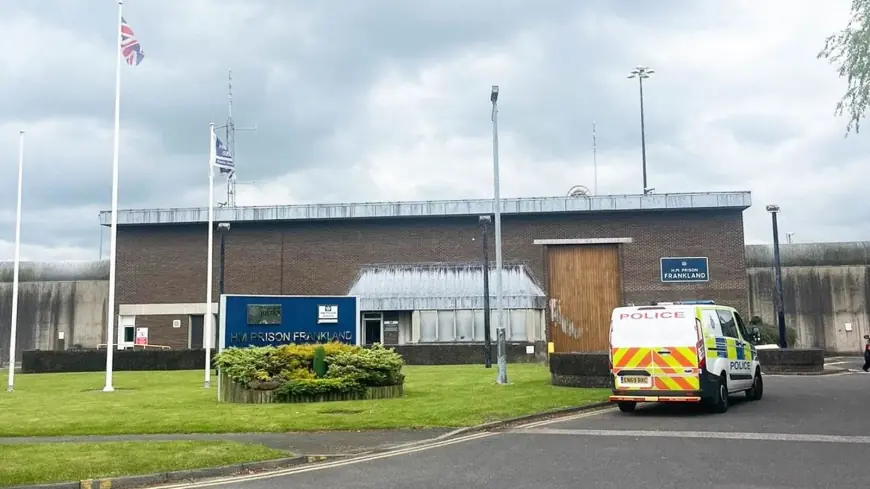
Ian Huntley, 52, is being treated for serious head injuries after an attack inside a prison workshop at HMP Frankland, a high‑security facility in County Durham. Officials confirm a police investigation is under way and detectives are liaising with prison staff, but several key details remain unclear in the provided context: the precise motive for the assault, Huntley’s current condition beyond being treated for head injuries, and whether protective measures in place for vulnerable inmates functioned as intended that morning.
What happened in the prison: sequence and official responses
Prison staff took a prisoner from HMP Frankland to hospital on a Thursday morning; ambulance records note a call at 9: 23am on Thursday 26 February 2026 about an incident at the prison. Two ambulance crews were dispatched and support from an air ambulance service was requested, but the injured prisoner was transported to hospital by road. Durham Constabulary confirmed police were alerted to an assault at HMP Frankland and that a male prisoner suffered serious injuries and was taken to hospital. A male prisoner in his mid‑40s is being held in detention on suspicion of carrying out the attack but had not been arrested at this stage in the context provided. One report said Huntley was beaten with a metal pole; another account described him being knocked unconscious with a metal pole and said his condition was "touch and go. " A prison service statement in the provided material noted a prisoner is receiving treatment and that it would be inappropriate to comment further while police investigate.
Prison environment and prior violence at HMP Frankland
HMP Frankland is described as a category A prison with the highest level of security and houses a number of high‑profile inmates named in the context. Violent incidents at the establishment have occurred before: in April of the previous year three prison officers were taken to hospital with life‑threatening injuries, including burns and stab wounds, after being allegedly attacked with hot cooking oil and homemade weapons by an inmate named Hashem Abedi, who is identified in the provided material as the brother of the Manchester Arena bomber Salman Abedi. The context also notes systemic pressures: overcrowding, increased violence, and staff shortages or turnover that make full protection difficult in some cases.
Short timeline
- 4 August 2002: Holly Wells and Jessica Chapman, both 10, went missing in Soham, Cambridgeshire.
- Two weeks after their disappearance: the girls’ bodies were found in a ditch near an air base in Lakenheath, Suffolk.
- 9: 23am on Thursday 26 February 2026: emergency services were called to HMP Frankland; one prisoner was transported to hospital by road after an assault.
Police investigations and prison inquiries are ongoing; answers about motive and responsibility are still forthcoming.
Legacy, vulnerability and the wider fallout
Huntley is serving a life sentence for the murders of 10‑year‑olds Holly Wells and Jessica Chapman in August 2002. The provided material records that he enticed both girls into his home, murdered them, dumped their bodies in a ditch some 12 miles away, and was originally from Grimsby. His actions after their disappearance — including detailed media interviews — raised suspicion; two weeks later the bodies were found and a major police operation followed. The search lasted 13 days, involved 400 officers assigned full time, and saw investigators question every registered sex offender in Cambridgeshire and neighbouring Lincolnshire. Huntley, a school caretaker at Soham Village College, was arrested after police found charred pieces of the Manchester United shirts the girls had been wearing and other evidence at his workplace. His then partner, Maxine Carr, a teaching assistant the girls knew, initially provided an alibi that later broke down; she served half of a 42‑month sentence for perverting the course of justice. At trial at the Old Bailey a prosecutor described Huntley as "ruthless" and said his account of both deaths were "desperate lies. " In his evidence he claimed Holly died accidentally after falling into his bath while he was helping her with a nosebleed.
Here's the part that matters: the incident revives the longstanding risk picture for prisoners convicted of child sex offences. The context states such inmates are frequently targeted inside prisons and that, from his first day inside, there was a price on Huntley's head in that culture. The material also notes that he would have been held under Rule 43 in a unit for vulnerable inmates, where protection exists but is not foolproof.
The real question now is how the ongoing police inquiry and prison procedures will address both the immediate medical and security needs and the longer‑term vulnerability highlighted by this attack. Marked vulnerabilities in the custodial environment and the statement that some prisoners see attacking people like Huntley as a way to gain kudos suggest the risk of further incidents may persist if protections are not bolstered.
It’s easy to overlook, but the assault is unfolding against a documented history of serious incidents at the same prison, which makes the outcome of the police and prison service reviews especially consequential.