


















Mary Berry Mentioned as Context: Why Nadiya Hussain’s Pivot from TV to Teaching Hits Far Beyond Recipes

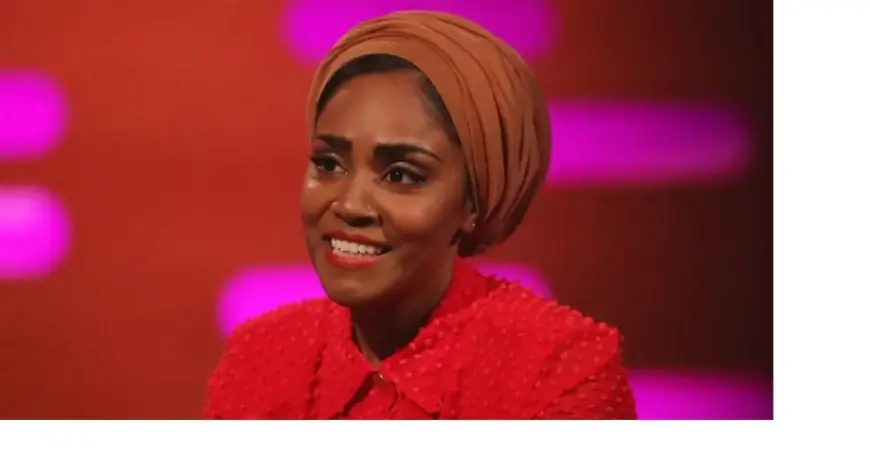
mary berry appears in the cultural shorthand around TV baking, but the immediate impact here is on who benefits from broadcast exposure and who does the emotional labour of culture and care. Nadiya Hussain is reclaiming how she presents food—embracing deep-fried comfort, calling out industry gaslighting and taking a job in education—moves that matter to TV producers, Muslim women in media and classrooms that gain a high-profile new assistant.
Mary Berry’s shadow and the real-world ripple: who feels it first
Here’s the part that matters: the fallout from a prominent cook’s loss of a broadcaster series lands not just on her CV but on public conversations about race, pay and professional respect. Hussain has said she gets paid less than "the white version of me"; that claim, alongside her description of gaslighting in the industry and feeling unsupported as a Muslim woman, is reframing how audiences and colleagues interpret programme decisions and reactions. What’s easy to miss is how these cultural reverberations touch classrooms and publishing as much as TV slots.
How the change unfolded — the essentials embedded, not a play-by-play
Nadiya Hussain rose from an early appearance on the 2015 series of The Great British Bake Off to become a fixture: cookbooks, children’s books and TV shows followed. She published Rooza in 2025, a book inspired by dishes from across the Islamic world, especially Ramadan and Eid, and later produced Nadiya’s Quick Comforts, a cookbook positioned against current wellness trends. Quick Comforts leans into golden syrup dumplings and a deep-frying chapter that includes cheese balls and deep-fried cannelloni; she has said she would happily write an entire book on deep frying and that the recipes reflect how she cooks at home and how her children eat.
Last summer Hussain posted a video on Instagram after learning that the broadcaster had decided not to commission another cookery show with her. She had known since 2024 that Rooza would not be attached to a TV series, and later found out the broadcaster would also not be making a series of Nadiya’s Quick Comforts. The broadcaster’s public statement read: "After several wonderful series we have made the difficult decision not to commission another cookery show with Nadiya Hussain at the moment. " On social media, without naming the broadcaster directly, Hussain spoke about "gaslighting" in the industry and said that, as a Muslim woman, she had not always been supported or allowed to fulfil her potential. She subsequently left her agent and manager and took direct control of her career.
From cookery to classrooms: the new day job and public reaction
Hussain told a magazine that she is currently working as a teaching assistant at a "lovely little primary school" and plans to become a teacher. As a young woman she wanted to go to university but did not have parental support at the time; she later earned a degree in childhood and youth studies from the Open University and is now applying that qualification in the classroom. Commentators have framed this as resilience—getting knocked down and getting back up in a role they describe as genuinely useful—but the move also attracted mockery and race hate in public responses, alongside debate about whether the broadcaster handled her exit poorly.
Quick Q&A on implications, who is affected and next signals
- Q: What changes for TV cooking?
A: Producers and audiences may reassess the commercial value of authentic, culturally rooted cookery that doesn’t conform to wellness trends; that reassessment will influence commissioning choices and how presenters are paid and promoted. - Q: Who is most directly affected?
A: Hussain herself, Muslim women in media who watch for precedents, classroom communities gaining an experienced educator, and publishers whose readership responds to comfort-focused cookbooks. - Q: What could confirm a turning point?
A: Clear signs would be a renewed series commission, a visible shift in how presenters are remunerated, or sustained public support for cooking projects that embrace cultural authenticity rather than slimming trends.
It’s worth adding a brief timeline to keep dates straight: Hussain first rose to prominence the 2015 Bake Off series; she knew in 2024 that one book would not be tied to television; Rooza appeared in 2025; last summer she posted publicly about the broadcaster decision and then restructured her representation and career focus.
Writer’s aside: it’s easy to overlook that what looks like a personal career pivot also exposes wider industry habits about commissioning, pay and who is allowed to speak bluntly about their experience.