



















Oxford Street Businesses Ready for Mardi Gras Revival After Years of Vacancy

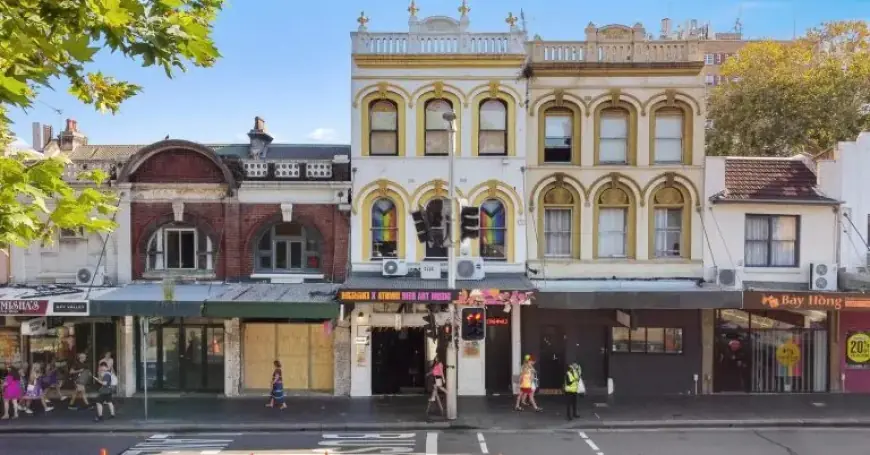
Oxford Street businesses are preparing for a vibrant resurgence during the 48th Sydney Gay and Lesbian Mardi Gras Parade. This year’s event, set for Saturday, February 28, promises a dazzling display with over 10,000 participants and 160 colorful floats. Anticipating around 300,000 attendees, the celebration significantly boosts the local economy, projected to generate approximately $38 million.
Local Businesses Count on Mardi Gras Revival
Among the notable businesses is Daly Male, a menswear boutique that has proudly served the LGBTQIA+ community for 40 years. Owner Terry Daly remarked on the financial benefits of the event, emphasizing the influx of visitors who come not only for the parade but also to enjoy the various local attractions. He noted, “It remains a hugely important cultural event for the street.”
Stephan Gyory, owner of The Record Store and a member of the Darlinghurst Business Partnership, echoed this sentiment. He recognized the heightened excitement leading up to the parade but expressed disappointment regarding the cancellation of the traditional after-party at Hordern Pavilion. Gyory remains optimistic, suggesting that without the official after-party, nearby nightclubs and bars would experience increased patronage, ultimately benefiting the local economy.
Challenges in the Local Retail Landscape
Despite the anticipated success of Mardi Gras, Oxford Street faces ongoing challenges. High rental costs and evolving consumer habits have led to numerous empty storefronts, particularly between Taylor Square and South Dowling Street. Gyory highlighted the financial strain of astronomical rents, calling for landlords to support emerging local businesses rather than pursuing exorbitant leases.
- High Rentals: Many local businesses struggle with rising costs, making it difficult for them to survive.
- Empty Storefronts: Vacant shops indicate systemic issues in the commercial property market.
- Support for Local Operators: Calls are growing for landlords to welcome independent retailers to preserve Oxford Street’s culture.
Michael Fegent, a local restaurateur, highlighted that many shops remain vacant as owners opt to wait for higher rents, ultimately hurting the landscape of Oxford Street. He urges for solutions that incentivize filling these spaces to revitalize the area.
Hope for Oxford Street’s Future
Though the challenges persist, there is a sense of optimism among local traders. They believe Oxford Street’s diverse offerings in retail, dining, and entertainment continue to attract younger crowds. Despite reduced spending on nightlife, these consumers seek social experiences, often choosing non-alcoholic options and dining at upscale venues.
Recent developments, such as The Olympia hotel—opened last October at the former Grand Pacific Blue Room site—aim to add vibrancy to the area. Additionally, new commercial spaces like Oxford & Foley are set to draw fresh retail and creative tenants into the region.
Gyory noted that the arrival of high-profile brands indicates renewed interest in Oxford Street. He stated, “It proves there’s still a lot of love and economic promise for the street.” However, concerns linger about the direction of redevelopment, as some believe the influx of certain retailers may detract from the area’s cultural authenticity.
Terry Daly remains skeptical, asserting the need for more independent shops to maintain Oxford Street’s identity. He believes that preserving its cultural essence requires a commitment to supporting local businesses, which have historically thrived during events like Mardi Gras.
As Mardi Gras approaches, it stands as a testament to the resilience and vibrancy of Oxford Street, setting the stage for potential renewal amidst ongoing challenges in the commercial landscape.