


Magic Vs Lakers — Months of Cultivated Trust Turn a Chaotic Finish into a 110-109 Comeback

The quick answer to who was altered most by the late minutes: the Orlando roster that has spent months building trust, and the Los Angeles pair whose late-game chemistry faltered. Magic Vs Lakers boiled down to a read and a pass — Paolo Banchero’s rebound, his decision-making in the paint, and Desmond Bane’s go-ahead 3 created the immediate swing. That ripple is what will be felt first by both teams’ rotations and coaches.
Magic Vs Lakers: impact landed on players and coaches who had to act in a blink
Here’s the part that matters: Orlando’s work establishing confidence in its reads and spacing paid off in the last minute, while the Lakers’ late execution and defensive help rotations did not. The Magic left Los Angeles with a 110-109 comeback victory; the win reinforced trust in Orlando’s scheme, its player-to-player reads, and its ability to execute under pressure. For the Lakers, the sequence exposed where help defense and late pass timing can break down.
Key sequence and finish (embedded detail, not a play-by-play)
Paolo Banchero was central to the decisive possession. He had 36 points — his most in four weeks and his second-highest total this season — and grabbed the rebound on a missed free throw by LeBron James with 42. 3 seconds left while Orlando trailed by two. On the ensuing possession Banchero used a screen from Wendell Carter Jr., got two feet into the paint and chose to look outside rather than attempt a contested finish through contact.
Both corners were occupied on that possession: Anthony Black, struggling with his shot, was on the weak side; Tristan da Silva, who had made 3-of-5 three-pointers, held Rui Hachimura on the strong side. With Deandre Ayton in front of Banchero, LeBron James sank into the paint to tag the screener, which left Desmond Bane open. Bane — a 39 percent 3-point shooter who had missed six of his first seven attempts that night — rose and hit the go-ahead triple that forced a timeout with time noted in the available accounts as both 35. 4 seconds and 34. 6 seconds left (unclear in the provided context which exact second is correct).
After that timeout, Luka Dončić created a corner three attempt for Hachimura that missed and was not rebounded by the Magic. On the baseline out-of-bounds play that followed, Dončić found a cutting LeBron James for a go-ahead dunk; that play featured a failure by Anthony Black to help Jonathan Isaac off a Reaves back screen. With 26. 3 seconds left, Magic coach Jamahl Mosley declined to call a timeout — he preferred the live matchup given the personnel on the floor, which included Dončić, James and Reaves alongside Ayton and Hachimura (Hachimura was in instead of starter Marcus Smart). Mosley chose to let the possession play out rather than allow the opponent time to draw up a play.
Tactical undercurrent: who made the small reads that decided the finish
Trust showed up as split-second decisions: Banchero’s hesitation bought a peripheral read; Bane accepted the shot despite earlier misses; defensive tagging and help rotations on the Lakers side created the opening. Months of cultivation — the narrative that Orlando had been building — manifested in that single sequence. It’s easy to overlook, but a player’s willingness to pass off two feet in the paint rather than force contact is a direct product of practice-level trust.
- 110-109 final score — Magic completed the comeback in Los Angeles.
- Paolo Banchero finished with 36 points, his best in four weeks and second-most this season.
- Key clock markers in the provided accounts: rebound at 42. 3 seconds, go-ahead 3 cited at both 35. 4 and 34. 6 seconds (unclear in the provided context which is definitive).
- Desmond Bane, a 39% three-point shooter who had missed six of his first seven attempts that night, hit the decisive triple.
- Coach Jamahl Mosley declined a timeout with 26. 3 seconds left, preferring the live personnel matchup (Hachimura was in instead of starter Marcus Smart).
Signals and immediate stakes for both benches
The real question now is whether Orlando’s in-game chemistry will sustain similar finishes, and whether the Lakers will adjust late defensive help and timeout usage. If Orlando continues to make the read that created Bane’s shot while keeping core players confident, that pattern confirms the trust-building was substantive. For Los Angeles, the sequence highlights pressure points around help rotations and late-pass timing that will demand attention.
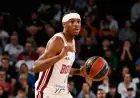
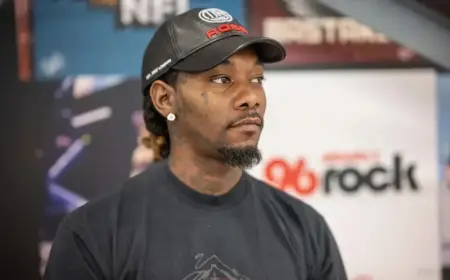
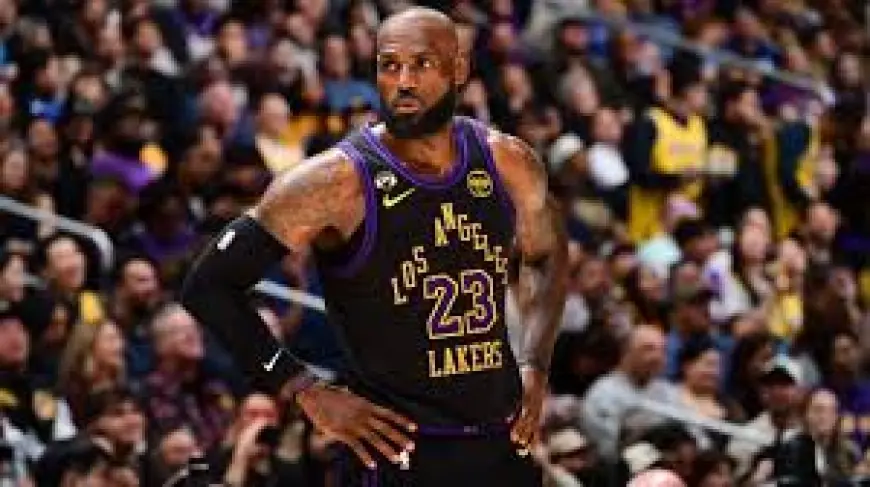
Photo credit listed with the context names Katelyn Mulcahy for the image used in original coverage. A team social post celebrated Bane’s shot that night.
What’s easy to miss is how much of that possession was a team read rather than a single hero moment — the pass, the screen, the corner spacing and the defensive choices all contributed.