















Punch The Monkey Update: Viral Punch Monkey Japan Video Sparks Zoo Crowds And Plush Toy Frenzy

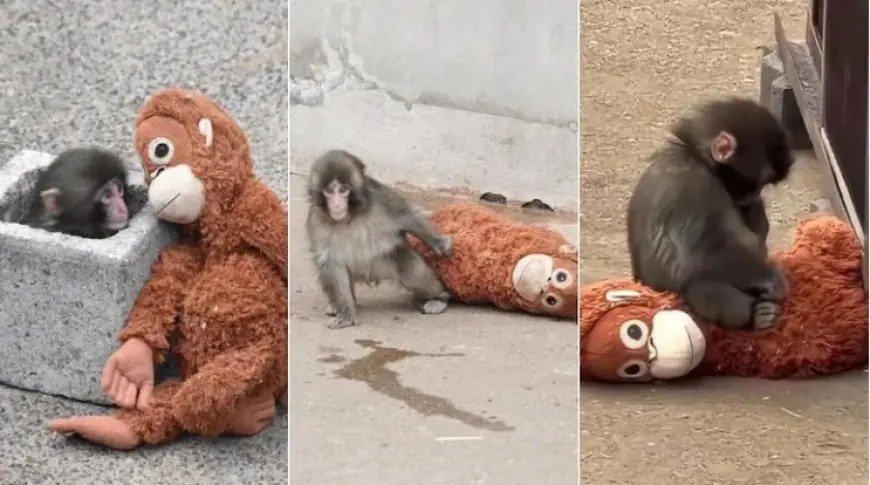
A small baby macaque named Punch has turned a quiet zoo outside Tokyo into a global talking point. The surge began with a punch the monkey video shared widely on social media: Punch, a young Japanese macaque, clinging to an oversized stuffed orangutan as if it were a parent. In the days since, the attention has grown into something bigger—heavy visitor traffic at the zoo, a rush for the specific plush toy, and renewed questions about how viral fame can reshape an animal’s daily life.
Punch Monkey Japan: Why Punch Went Viral
Punch is a juvenile Japanese macaque at Ichikawa City Zoo in Chiba Prefecture. Zoo staff stepped in after Punch was rejected by his mother soon after birth. The defining image—Punch carrying, hugging, and resting against a large orangutan plush—became the emotional hook that made punch monkey Japan trend far beyond animal lovers.
The appeal is simple and universal: a baby animal seeking comfort. But the story also has an edge of uncertainty. Macaques are highly social, and a young macaque’s long-term health depends on learning troop behavior, boundaries, and bonding—lessons a stuffed toy can’t provide on its own.
Punch The Monkey Video: What Viewers Are Seeing Now
Recent clips and visitor recordings show the situation evolving. Punch still keeps the plush close, but there have been visible signs of social progress: more time spent near other macaques, more attempts to engage, and moments where Punch seems to test the “rules” of the group. Some scenes show brief scolding by older monkeys—behavior that can be normal as a youngster learns hierarchy and manners—while other moments show calmer proximity and exploratory play.
That mix is why “punch the monkey update” has become a daily search. The story isn’t just about one viral clip anymore; it’s about whether Punch can shift from toy-based comfort to real troop acceptance without undue stress from constant attention.
Punch The Monkey Update: Zoo Crowds, Lines, And Visitor Controls
Ichikawa City Zoo has experienced an unusual wave of visitors, with crowds gathering around the macaque enclosure to catch a glimpse of Punch and the plush. This has created a new operational challenge: keeping viewing orderly while protecting animal welfare.
In response, staff have emphasized calmer observation and have worked to manage crowd flow near the enclosure. The goal is to prevent loud, sudden noise and repeated flash photography from becoming a constant pressure on a young animal already navigating a complicated social situation. Zoos commonly try to reduce stimulation during sensitive periods—especially for juveniles integrating into a group—because stress can affect feeding, resting patterns, and social outcomes.
Monkey: The Welfare Questions Behind The Cute Moment
The internet tends to project human feelings onto animals, and the Punch story has triggered exactly that. It’s understandable—Punch looks “sad” to many viewers. But animal behavior can be more nuanced than it appears in short videos.
What matters most is whether Punch is eating well, staying free of injury, and gradually building stable relationships with other macaques. A plush toy can help a young animal self-soothe, but it can’t replace grooming and social learning from a troop. The most responsible update isn’t whether Punch is still hugging the toy; it’s whether Punch is spending increasing time interacting safely with other monkeys.
For that reason, some keepers and animal behavior specialists have highlighted the importance of slow integration: letting the troop set boundaries while closely monitoring for escalation, bullying, or isolation.
Punch Monkeys: Why A Stuffed Orangutan Sold Out
One unexpected ripple effect has nothing to do with animal care—and everything to do with consumer behavior. The orangutan plush featured in the punch monkey clips has seen a sudden spike in demand, with sellouts reported in multiple markets and a noticeable rise in resale listings at higher prices.
The pattern is familiar: a single viral emotional moment turns a specific item into a symbol people want to own, gift, or display. In this case, buyers are treating the plush as a tangible piece of the story—an easy way to participate in a phenomenon that feels comforting and humane.
Quick Facts: What People Are Tracking In The Punch The Monkey Story
-
Punch is a young Japanese macaque at Ichikawa City Zoo in Japan.
-
The punch the monkey video centers on Punch carrying an oversized orangutan plush.
-
Visitor numbers have surged, prompting crowd-management efforts near the enclosure.
-
Interest in the plush has triggered sellouts and inflated resale pricing in some markets.
-
The key welfare question is Punch’s gradual social integration with other macaques.
Punch: What Happens Next For The Viral Baby Macaque
The next phase will be less cinematic but more important: routine. Punch’s long-term outlook depends on steady progress within the troop—more tolerated proximity, more play, and eventually more grooming and stable bonds. Viral attention can fade quickly, but the effects of a stressful environment can linger for an animal still developing.
For viewers following punch the monkey and punch monkey Japan, the most meaningful update won’t be a new viral angle. It will be small, steady signs that Punch is becoming just another macaque in the group—safe, social, and thriving—whether the plush is still in the picture or not.