





















How the Trump State Of The Union Recast the Playbook for a Contentious Midterm Moment

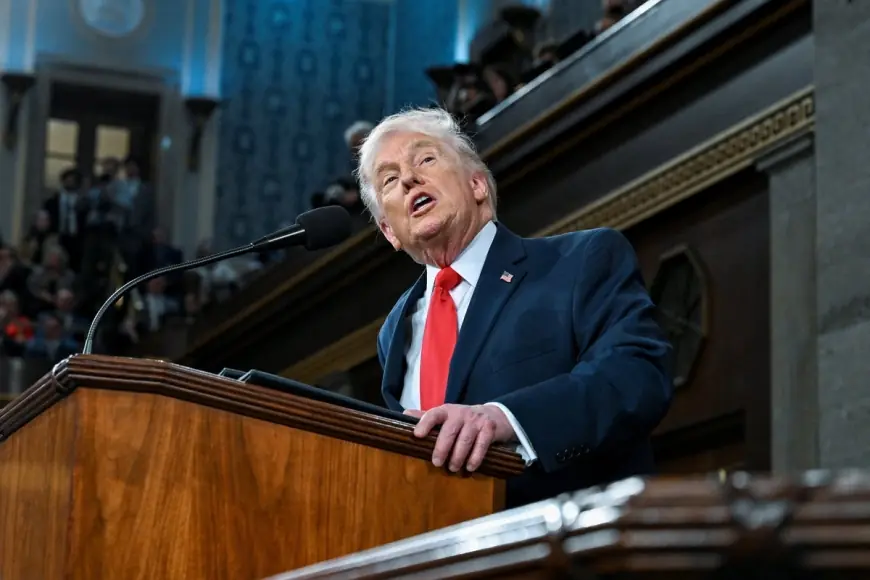
The immediate consequence of the trump state of the union was not clearer policy for struggling households but a sharpened public identity for the president: spectacle and foreign-policy bravado over domestic cost relief. That choice reshapes the argument Republicans can sell into the midterm season, forces internal debate, and alters the battleground voters who will feel the effect first.
Consequences for messaging and the midterm calendar
What changes next is the Republican pitch. By foregrounding military might, dramatic guest moments and foreign interventions, the speech pushed the GOP’s case away from pocketbook issues that some Republicans had demanded be front and center. Members of both parties left Tuesday evening wondering whether the president had found a coherent focus for the midterm elections or whether the night read more like a final flourish for a presidency that, many insiders expect, will be complicated by one or more Democratic congressional majorities after the year concludes.
Inside the Trump State Of The Union emphasis
Rather than unpacking detailed plans to ease household costs, the address staged moments meant to tug at the audience: a guest who was the mother of a woman slain on a bus in Charlotte, North Carolina; the victorious U. S. men’s Olympic hockey team; and members of the U. S. military who received Medals of Honor handed out on the spot. The tone favored celebration of American strength and high-profile foreign-policy claims over step-by-step domestic fixes.
What was notable — and what was missing — from policy specifics
Domestic policy specifics were sparse and limited to the narrow areas where the administration found traction in 2025, despite twin GOP majorities in Congress. The few concrete points centered on drug pricing, including an effort to lower prescription costs through a most favored nations program. Broader measures aimed at reducing day-to-day financial burdens on families received little detail.
Reactions inside and outside the party
Criticism surfaced from the right and the center. Some Republicans expressed frustration that a foreign-heavy focus appeared to leave a formal "America First" economic reset behind. Former Rep. Marjorie Taylor Greene was cited among those who wanted a renewed emphasis on economic policy and cost-cutting rather than claims about tallying wars ended. Observers such as Curt Mills, identified with a conservative magazine, argued the president showed an extreme lack of conviction about a return to broad prosperity and warned the speech venerated military action without answering questions about Iran.
One commentator framed the address’s tone as an embrace of a might-makes-right posture, using the term Hegsethism to describe that sensibility and noting the administration’s neoconservative defense secretary as emblematic of that approach. The speech even included an in-depth description of a raid to capture Venezuela’s Nicolas Maduro, an element that underscored the foreign-policy focus.
Here’s the part that matters: that shift in emphasis is likely to change which voters the GOP needs to persuade and how opponents will frame the fall campaign.
Signals, short takeaways and what could confirm the next turn
- Expect intensified debate inside the party over whether to prioritize cost-of-living relief versus a national security narrative.
- If messaging pivots toward pocketbook issues after this address, that will signal the speech failed to settle intraparty demands for an economic focus.
- Legislative outcomes in 2025 will test the claim of achievements made onstage; successful bills on drug pricing would reinforce the limited domestic claims highlighted.
- Public reaction in key districts — especially from voters sensitive to household costs — will be an early indicator of whether the spectacle translated into political advantage.
What’s easy to miss is how tightly the night tied political theater to policy credibility; the two do not automatically translate. The real question now is whether the president’s pledge of larger future successes will be matched with concrete steps that address everyday economic pressures.
Notifications can be managed in browser preferences; readers may need to refresh the page or navigate elsewhere to complete a login. There was also an option to sign up for email offers, events and updates, and a privacy notice was referenced. The final paragraph of the source material is unclear in the provided context.