















Punch The Monkey Update: Punch Monkey Japan Viral Macaque Now Showing Signs of Social Progress

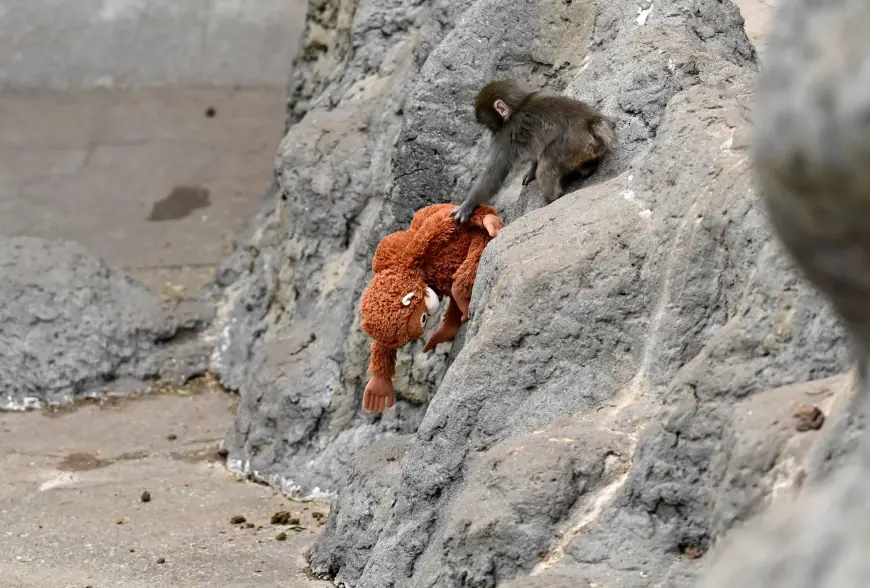
A fresh punch the monkey update is calming fears that a young Japanese macaque named Punch was being isolated or bullied after emotional clips spread widely online this month. Punch, a male macaque living at Ichikawa City Zoo in Chiba, Japan, became a global fixation after he was seen clinging to a large stuffed orangutan toy—an image that sparked both sympathy and alarm as viewers tried to interpret the troop’s behavior.
This week’s punch the monkey update shifts the story from heartbreak to cautious relief. Zoo staff shared that Punch has been interacting more naturally with other macaques and is no longer spending as much time alone. The change comes after intense public attention, a surge in visitors, and renewed debate over how zoos manage group dynamics for infant primates.
Punch Monkey Japan: Why Punch Went Viral So Fast
The punch monkey japan trend took off when videos showed Punch carrying and cuddling a plush toy in his enclosure. Many viewers read the toy as a substitute companion, especially as earlier footage suggested Punch wasn’t fully welcomed by the troop.
Punch’s backstory quickly became part of the viral narrative: a very young macaque, still learning social cues, navigating a complex hierarchy where adults and older juveniles set boundaries through gestures that can look harsh to humans. That mismatch—human emotional interpretation versus primate social behavior—helped turn punch the monkey into one of the most searched animal stories of the week.
Punch The Monkey Update: What Changed Inside the Troop
In the newest punch the monkey update, caretakers say Punch has started bonding with older macaques who now tolerate his presence more consistently and, in some interactions, groom or stay near him. Observers online have also noted more moments where Punch appears engaged with the group rather than lingering at the edges.
For macaques, acceptance often comes in steps, not overnight. Playful “rough” exchanges, brief chasing, and pecking-order reminders can be normal, even as they look uncomfortable through a human lens. The key sign of progress is repeated voluntary proximity—Punch choosing to sit near others and others allowing it without escalating to true aggression.
Punch Monkey: Visitor Concerns and the “Bullying” Question
The emotional core of the punch monkey conversation has been the perception of “bullying.” That label spread quickly as people watched short clips without context. This week’s messaging from zoo staff emphasized that certain interactions seen in viral videos were not interpreted internally as ongoing scolding or targeted abuse, and that Punch’s day-to-day condition has remained stable.
Still, the public reaction has had real impact. When thousands of people focus on a single animal’s wellbeing, institutions face immediate pressure to explain husbandry choices clearly—and to demonstrate safeguards. Even when no rules are broken, clarity matters, especially for an infant animal that the public now recognizes by name.
Punch The Monkey Update: Welfare Steps and Handling Changes
The latest punch the monkey update also spotlights practical steps intended to reduce stress for Punch and the troop. While zoos rarely overhaul primate management instantly, this kind of spotlight typically leads to tighter routines: minimizing unnecessary disruptions, adjusting observation protocols, and ensuring the animal has options to retreat from conflict.
Here’s what visitors and caregivers tend to focus on in cases like punch monkey japan:
| Welfare Focus | What It Looks Like in Practice |
|---|---|
| Safe retreat spaces | Areas where a young macaque can move away from dominant adults |
| Reduced crowd stress | Managing viewing pressure, noise, and peak-time congestion |
| Monitoring group dynamics | Tracking repeated negative interactions and intervening if escalation appears |
| Enrichment balance | Items like toys used carefully so they comfort without isolating the animal |
| Health checks | Weight, appetite, sleep patterns, and injury screening |
The plush toy that helped trigger the viral moment remains a symbol in this story. It can be enrichment, comfort, and also a spotlight magnet—so how and when it’s provided matters.
Punch Monkeys: Why the Internet Keeps Building Bigger Narratives
The phrase punch monkeys has broadened online, with people using it to describe everything from the specific macaque story to unrelated pop-culture references. That can muddy the conversation, especially when search results mix animal welfare updates with entertainment chatter.
In this case, the central thread remains simple: a juvenile macaque named Punch is adjusting to troop life under intense public attention. The story is less about a single viral clip and more about a long process—social development, acceptance, and careful management in a captive group setting.
What Happens Next for Punch The Monkey
The next phase of the punch the monkey update will likely focus on consistency: whether Punch continues forming stable bonds, whether the troop’s tolerance holds as he grows, and whether visitor pressure changes the environment. If social progress continues, the most visible signs will be less time spent alone, more normal play, and more grooming—often the quiet “proof” of acceptance in primate life.
For now, the tone around punch monkey japan is shifting from panic to watchful optimism. Punch is still a young animal in a complicated social world, but recent updates point toward a trajectory many were hoping to see: not a lonely viral symbol, but a macaque slowly finding his place.