









FIFA World Cup 2026: Mexico Security Crisis, Infantino's Reassurances, and What's at Stake

With just under four months to go, the 2026 FIFA World Cup is generating global headlines — not only for its record-breaking format but for an escalating security situation in one of its three host nations. FIFA president Gianni Infantino has moved quickly to calm nerves, insisting the tournament will proceed without disruption.
FIFA World Cup 2026 Faces Mexico Security Alarm
The killing of Nemesio "El Mencho" Oseguera, leader of the Jalisco New Generation Cartel (CJNG), by Mexican security forces triggered an immediate wave of cartel-related violence across the country. The chaos spread rapidly through Guadalajara and several other cities, with disturbing images broadcast worldwide just months before the 2026 FIFA World Cup opener.
Guadalajara is slated to host four group-stage matches, including a marquee clash between Uruguay and Spain. The city, alongside Monterrey, is also set to co-host the March 2026 playoff tournament determining the final two World Cup qualifying spots.
Infantino Says 2026 World Cup Is "Going to Be Spectacular"
Speaking at a Colombian Football Federation event in Barranquilla on Tuesday, FIFA World Cup chief Gianni Infantino delivered a firm statement of confidence. "Very reassured, everything's good. It's going to be spectacular," Infantino said, offering his first direct comments on the violence since it erupted over the weekend.
FIFA also released a formal statement reaffirming that safety and security remain the organization's top priority. The governing body added it has "full confidence in all three host countries" and would only consider relocating matches as an absolute last resort, and only if safety officials and commercial partners raised significant concerns.
Mexico's Government Pushes Back on 2026 World Cup Relocation Talk
Mexican President Claudia Sheinbaum struck a similar tone, assuring the public and international visitors that World Cup fans face "no risk" and that the situation is "gradually returning to normal." Mexico national team head coach Javier Aguirre was equally direct, stating, "All is going ahead as planned."
Jalisco Governor Pablo Lemus flatly dismissed any possibility of Guadalajara being stripped of its hosting duties, calling the prospect "absolutely no risk." The official pushback signals a united front between Mexican authorities and FIFA heading into the tournament.
2026 World Cup Format: A Historic 48-Team Expansion
The 2026 FIFA World Cup will be the first edition to feature 48 competing nations, up from 32, divided into 12 groups of four. A total of 104 matches are scheduled across 39 days, with the United States hosting 78 games. Canada and Mexico will stage 13 matches each across 16 host cities.
The tournament runs from June 11 through July 19, 2026. The opening fixture pits Mexico against South Africa at the iconic Estadio Azteca in Mexico City. The final is set for MetLife Stadium in East Rutherford, New Jersey, rebranded as New York New Jersey Stadium for the event.
Key Stars and Storylines Heading Into the 2026 FIFA World Cup
Neymar's fitness remains a hot-button issue. Another surgery in December 2025 limited his rhythm at Santos, and viral footage of the forward struggling has intensified debate over whether Brazil's most celebrated player will make the 2026 World Cup roster under head coach Carlo Ancelotti.
USMNT boss Mauricio Pochettino expressed full belief in his squad, sharing that U.S. President Donald Trump asked him directly if the team could win. "I said, 'Of course, Mr. President.' Because it's the USA," Pochettino said. The Americans are currently unbeaten in their last five matches heading into the World Cup cycle.
The Road to the World Cup Final Is Nearly Set
Six playoff spots remain undecided. Four UEFA playoff brackets and two intercontinental playoffs in March 2026 will complete the 48-team field. Portugal, notably, is reconsidering its planned March 29 friendly in Mexico City due to ongoing security concerns, citing player and staff safety as the decisive factor.
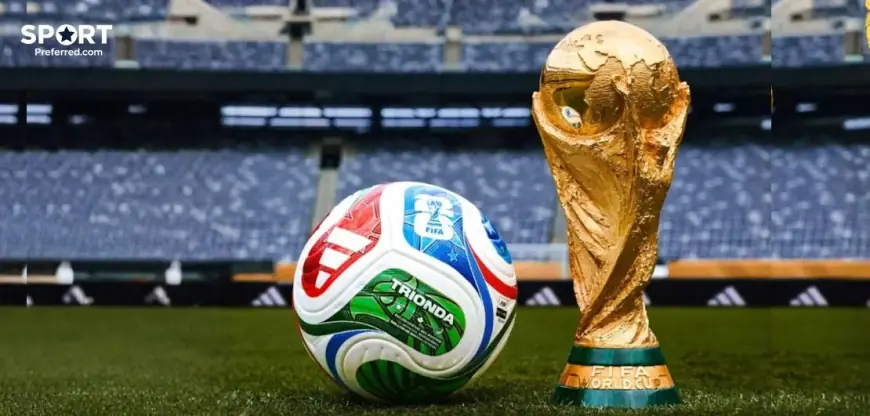
The official match ball, named the Trionda, features red, green, and blue representing all three host nations — a visual symbol of what FIFA hopes will be a unifying, record-setting tournament regardless of the turbulence surrounding it.