















Robert Carradine, 'Lizzie Mcguire' Actor, Dies at 71 After Nearly Two-Decade Bipolar Struggle

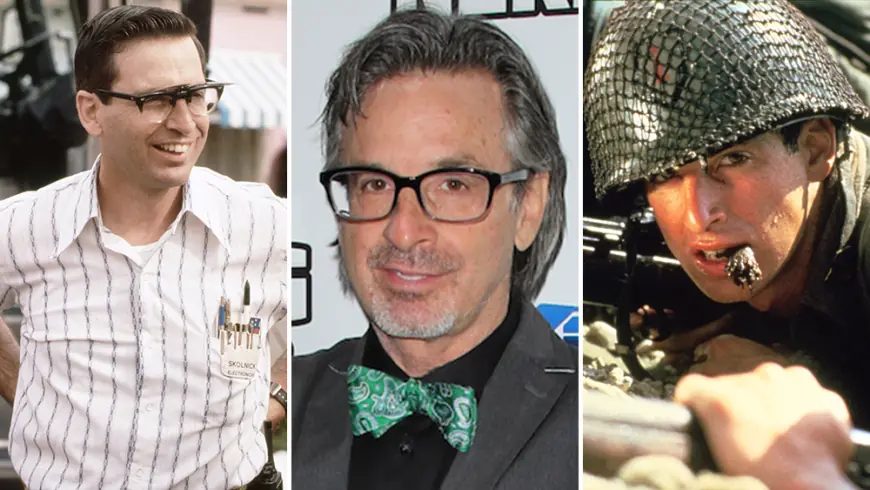
Robert Carradine, who played Hilary Duff’s father on lizzie mcguire and starred in films such as Revenge of the Nerds and The Long Riders, died by suicide at age 71. The timing has prompted public discussion of mental illness after his family disclosed he had fought bipolar disorder for nearly two decades.
Keith Carradine statement and family announcement (Feb. 23–24)
The family notified media through a statement issued late Monday, Feb. 23, and Keith Carradine, Robert’s brother, confirmed details in a separate Feb. 24 statement. The family called Robert a beloved father, grandfather, uncle and brother, asked for privacy and described his death as the result of a long struggle with bipolar disorder. Keith Carradine said the family is “bereft” and described Robert as “profoundly gifted, ” stressing there is no shame in his illness and expressing hope the disclosure will help reduce stigma.
Bipolar disorder, National Institute of Mental Health context and public resources
The National Institute of Mental Health defines bipolar disorder as a condition that causes unusual shifts in mood, energy, activity levels and concentration. The institute recognizes three types—Bipolar I disorder, Bipolar II disorder and Cyclothymic disorder—and defines Bipolar I by manic episodes that can last at least one week, with prolonged periods of elevated energy or euphoria that can alternate with depression or irritability. The institute estimates 4. 4% of U. S. adults will experience bipolar disorder at some time in their lives, roughly 11. 3 million people. In light of the actor’s death, crisis resources were noted for anyone struggling: the 988 lifeline is available around the clock, and Crisis Text Line can be reached by texting 741741.
Lizzie McGuire and television recognition
Carradine’s later profile included recurring work on the Disney Channel series lizzie mcguire, where he portrayed the father of Hilary Duff’s character. Castmates from that series expressed sadness and recalled a warm family atmosphere on set; one co-star said they were “deeply sad to learn Bobby was suffering, ” and another described the cast’s sense of being cared for by their on-screen parents.
Film career highlights: The Cowboys, Mean Streets, Coming Home, The Long Riders and Revenge of the Nerds
Born March 24, 1954, Carradine made his film debut in 1972 alongside John Wayne in The Cowboys and appeared in Martin Scorsese’s Mean Streets and Hal Ashby’s Coming Home with Jane Fonda and Jon Voight. In 1980, he had two films at the Cannes Film Festival: Samuel Fuller’s The Big Red One and Walter Hill’s The Long Riders. In The Long Riders, Robert, Keith and David Carradine portrayed the Younger brothers opposite James and Stacy Keach as Frank and Jesse James, Randy and Dennis Quaid as the Miller brothers, and Christopher and Nicholas Guest as the Ford brothers. His most widely recognized role came in 1984’s Revenge of the Nerds, in which he played Lewis Skolnick opposite Anthony Edwards.
Personal anecdotes, family and surviving relatives
The family statement said Robert is survived by his children, grandchildren, brothers, nieces and nephews. A family anecdote relates that David Carradine purchased a horse named Z‑Tan during the shooting of The Long Riders; the horse later lived on Robert’s Hollywood Hills property, where his daughter Ever Carradine at times rode between their home and Runyon Canyon. Ever Carradine, Martha Plimpton and Hilary Duff were among those who publicly remembered him, offering tributes on social media.
Tributes from daughter, niece and castmates
Messages posted on Instagram and other platforms conveyed a mix of grief and admiration. Robert’s daughter described growing up in the 1970s and 1980s with a single father in Laurel Canyon, saying she always felt his love and calling him “a lover, not a fighter, ” urging others to open their hearts. A niece wrote that he was the best of the extended Carradine brothers—blood, adopted and step—and praised his kindness, decency and acting talent, saying he was the best actor among them by “a thousand miles. ” Other former co-stars called him funny, pragmatic, sometimes cranky, and always family, noting he was a talented actor, musician and director who inspired those who knew him.
What makes this notable is the convergence of a high-profile entertainment career—with credits spanning the 1970s to recent decades—and an explicit family effort to frame his death within the context of a long-term mental-health battle, a choice intended to spotlight stigma and encourage conversation.