



















Latest State of the Union Clash Turns on Immigration, Ejections and High-visibility Guests

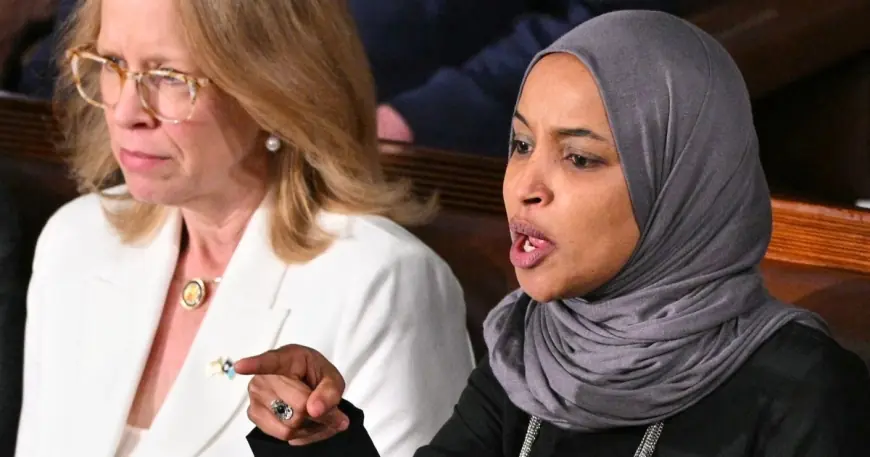
The latest showdown in the House left Democrats visibly and directly affected: lawmakers expelled from the chamber, family members and survivors seated as statements, and several members vocally confronting the president over immigration and alleged fraud. That dynamic landed political and human consequences immediately inside the chamber and set off coordinated alternative events and public rebuttals outside.
Latest impact: who felt pressure first and how it showed
Officials and guests tied to immigration enforcement felt immediate impact inside the House chamber. Democratic members used heckling, walkouts and carefully chosen guests to center victims and survivors; a sign in the gallery and the presence of Epstein survivors turned the speech into a venue for protest as much as policy address. The confrontation shifted attention from policy detail to personal and political accountability in real time.
Event details and a separate breaking notice
BREAKING: Cuba says four killed after U. S. boat violates territorial waters.
In Washington, tensions between President Donald Trump and Democrats peaked during his State of the Union speech Tuesday night, with clashes over immigration and allegations of fraud. Democratic lawmakers shouted as he discussed illegal immigration and a fraud investigation into the Somali community in Minnesota. The president declared Democrats should be "ashamed, " and several lawmakers replied with shouts and walkouts.
Confrontations on the floor, ejection and charged language
Rep. Ilhan Omar, D-Minn., answered by shouting "You should be ashamed!" and Rep. Rashida Tlaib, D-Mich., yelled "Liar!" Tlaib and Omar escalated their heckling as the speech progressed; Rep. Sarah McBride, D-Del., was also seen shouting. Omar and Tlaib at one point yelled, "You have killed Americans!" and later left the House chamber.
Rep. Al Green, D-Texas, was ejected from the House floor for the second straight year after waving a sign that read "Black People Aren’t Apes!" The sign referenced a video the president posted this month that depicted former President Barack Obama and former first lady Michelle Obama as apes; the president removed the video and said he would not apologize despite widespread bipartisan condemnation.
Guests, symbolism and the Epstein files
Rep. Norma Torres, D-Calif., held a sign with photos of Renee Nicole Good and Alex Pretti — two U. S. citizens who were killed by immigration agents in Minneapolis in January. More than a dozen House Democrats invited survivors of convicted sex offender Jeffrey Epstein to be their guests, putting Epstein back at the center of the room. Tlaib yelled, "How about those Epstein files?" during the speech; other Democrats, including a high-ranking former House leader, wore pins calling on the administration to release all of the files. The subject is one the president has been loath to speak about and has explicitly asked the country to move on from.
- Immediate implication: the speech functioned as both policy address and protest platform, elevating victims' stories into the national moment.
- Who is directly affected: family members of those who died in immigration encounters, survivors invited as guests, and lawmakers who were ejected or who staged walkouts.
- Forward signal to watch for: any formal inquiries or document releases tied to the files mentioned could change the tenor of subsequent hearings.
Alternative events, official response and broad accusations
The Democratic gallery was partially empty as dozens of Democrats attended or spoke at alternative events. There was a "People's State of the Union" outdoors on the frigid National Mall, and other Democrats hosted a "State of the Swamp" at the National Press Club near the White House, featuring rebuttals from lawmakers and actor Robert De Niro, among others. The official Democratic response came from Colonial Williamsburg, where Virginia Gov. Abigail Spanberger accused the administration of enriching itself, family and friends and described the scale of corruption as unprecedented. She cited a cover-up of Epstein files, crypto scams, cozying up to foreign princes for airplanes and to billionaires for ballrooms, and putting the president's name and face on buildings across the capital. She predicted voters would reject the administration’s "chaos" in November.
Unfinished threads and lingering questions
Concerns over Trump's deportation tactics drove much of [unclear in the provided context].
Here’s the part that matters: the exchange shifted the spectacle away from just policy and toward accountability and optics, with protests planned both inside and outside the chamber. What’s easy to miss is how quickly guest selection and visible signs transformed a long address into a series of targeted political retorts; that choice amplified individual tragedies and policy disputes in equal measure.
If you’re wondering why this keeps coming up, the combination of repeated on-floor ejections, high-profile guest placement and explicit calls for document releases suggests the confrontation is likely to extend beyond a single speech.