










World Cup Tickets Fifa confusion widens — who pays first and who gets sudden access

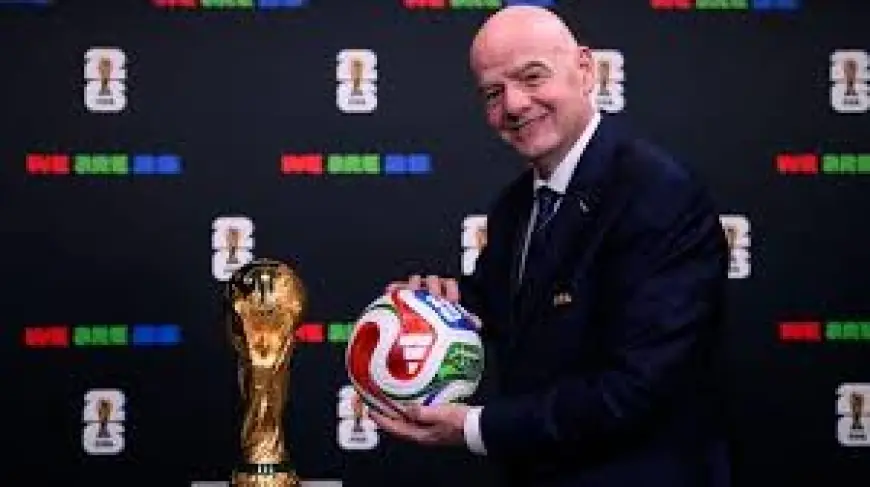
The sudden, incomplete email push about World Cup Tickets Fifa has landed hardest on fans who lost the lottery and on budget-conscious households. An unexpected “exclusive additional chance to purchase” arrived in inboxes with no start time, while resale prices and parking fees are already stretching family budgets. Here’s who feels the impact first and why the scramble matters for ordinary supporters.
Who is affected and how the scramble hits households and lottery entrants
Fans who entered the Random Selection Draw but weren’t chosen are the immediate focus: many received emails promising a short, exclusive window to buy single-match tickets, yet the first messages omitted the window’s start time. Budget pressures amplify the sting — resale prices for some round-of-16 seats in Houston have climbed well past affordable levels, and parking can add hundreds more to the bill. What's easy to miss is that the problem blends timing confusion with affordability pressures, raising different headaches for solo travelers, families and local commuters.
World Cup Tickets Fifa: the confusing timeline and selective access
Emails landed around 9 a. m. ET on Tuesday advertising “Your exclusive ticket window” but left the start time blank after the line “Your exclusive 48-hour access window(s) will start at: ”. The link included in those messages directed recipients to a notice that the Web Shop Portal closes on 22 February 2026 and will reopen on 2 April 2026. For hours there was no clarity; then around 2 p. m. ET some fans received amended emails that included a specific time slot — tomorrow, Wednesday, Feb. 25 — with earliest slots starting at 11 a. m. ET. A spokesperson confirmed that a limited number of additional single-match tickets became available following the conclusion of the Random Selection Draw. Fans who originally applied for tickets but were unsuccessful were the ones receiving these messages.
Confusion meets scale: demand, prior assurances and the held-back inventory
The ticketing process has been framed by previously stated milestones: organizers had said the next and last public sales phase would be in April, and the Random Selection Draw — described as the third and final lottery — received more than 500 million ticket requests. In the preceding distribution, leadership described matches as sold out while also noting that some tickets were being held back for last-minute sales. That prior messaging is part of why the unexpected, selective windows sent on short notice left fans asking bigger questions about fairness and who is being prioritized.
- Emails that were later amended specified host cities for the dedicated windows — examples listed include Dallas, Philadelphia, Kansas City and Guadalajara.
- Fans also reported receiving time slots for Boston, Toronto, Los Angeles and San Francisco; it is unclear in the provided context whether all cities or only some will be included.
- Applicants who had requested Miami and New York New Jersey reported not receiving the Tuesday afternoon emails with time slots.
- Emails with time slots raised hopes for supporters of Argentina about matches in Dallas and Kansas City; FIFA did not clarify which details remained unsettled — unclear in the provided context.
Pricing pressure: what the cost picture looks like for Houston and nearby fans
A report published Feb. 23, 2026 at 11: 39 a. m. ET highlighted how access and cost are diverging: aside from a small fraction of limited $60 entry-level tickets, resale prices have soared. For fans in San Antonio aiming to see a round-of-16 match in Houston, the cheapest resale seats were listed for more than $700 each on a resale marketplace. Parking near Houston match venues has been listed for as much as $270, adding to the total outlay.
Lindsay Owens, executive director of Groundwork Collaborative, framed the family impact: the cost of four tickets at those resale rates would equal nearly six months of marketplace health insurance premiums for a typical family. Owens argued that control over primary and resale channels leaves pricing effectively auctioned to the highest bidder and noted that organizers did offer a small share of $60 tickets — about 1. 6% of total World Cup tickets — while most inventory moved to higher-priced channels. For a lower-cost live option closer to home, tickets to a local professional basketball home game were noted at roughly $30.
Here’s the part that matters for fans watching this unfold: another last-minute sale is expected in April, giving disappointed applicants one more opportunity to secure seats.
Published coverage credits and bylines show staff roles: Stephanie Serna is listed as a weekday anchor on Good Morning San Antonio and GMSA at 9 a. m., having joined the news team in November 2009 as a general assignments reporter; Justin Rodriguez is identified as an editor. Copyright statements appear in the reporting notes.
- Limited follow-up sale: a restricted pool of single-match tickets was made available to some unsuccessful lottery entrants.
- Timing mismatch: early emails lacked a start time, then later messages assigned specific windows and cities on short notice.
- Affordability signal: only a small share of $60 entry-level tickets existed (1. 6% of total), while resale listings climbed into the high hundreds.
- Next confirmation that could change momentum: whether April’s promised sale is broader or remains restricted will indicate if access improves.
The real question now is whether the sudden, selective windows plus escalating resale costs will prompt revisions to how remaining inventory is distributed. The real test will be whether the April window — and any future clarifying communications — resolve who actually gets fair access and what price points will look like for everyday fans.