























Mexico news today: Security flare-ups, election overhaul push, and inflation jitters shape Mexico’s midweek outlook

Mexico news today is moving on three tracks at once: security forces working to keep violence contained after a major cartel blow, national politics shifting with a proposed election overhaul, and economic decision-makers watching inflation as households feel stubborn price pressure. Together, the developments underscore a familiar pattern in Mexico—local disruption can be intense and fast, while national policy debates and economic signals keep marching forward.
Below is a snapshot of what’s driving Mexico news today and what to watch next, with times referenced in Eastern Time (ET).
Mexico news today: Western security operations expand after cartel leadership shock
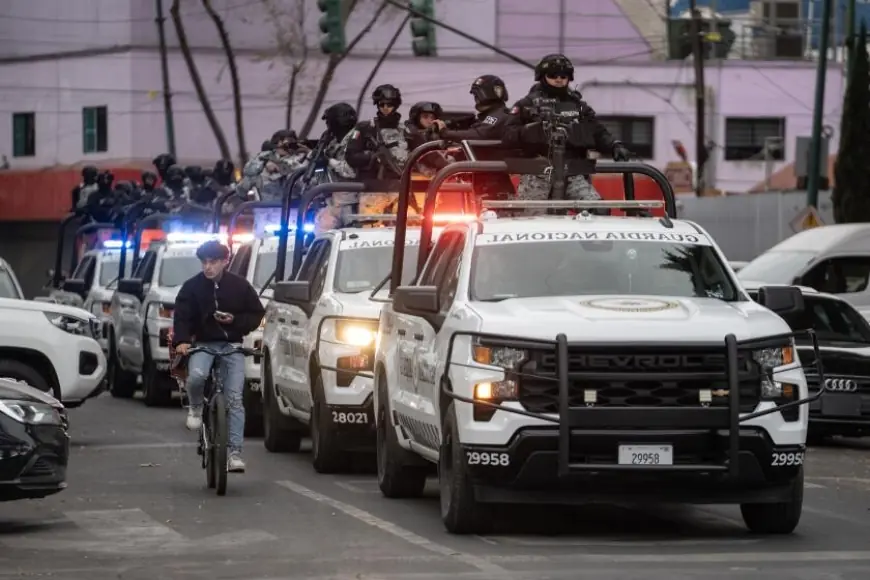
Security activity remains concentrated in western Mexico after the killing of a top cartel leader set off retaliatory flare-ups that included road blockades, vehicle fires, and temporary disruptions to travel corridors. Officials have boosted patrols and checkpoints in and around key routes serving major cities and tourist gateways, aiming to prevent repeat incidents during commuting peaks and overnight hours.
The operational focus is clear: keep highways and logistics lanes open, protect airports and resort zones from spillover, and stop small cells from turning isolated attacks into coordinated shutdowns. For residents, the most immediate impact has been mobility—schools, deliveries, and daily commutes are the first things to wobble when routes get blocked, even if violence is not constant.
Travel pressure builds as spring trips ramp up and warnings circulate
Mexico news today also includes rising attention on travel caution messaging as spring travel planning accelerates. The latest discussions are less about blanket “don’t go” guidance and more about the practical reality that safety conditions vary sharply by state and even by neighborhood.
Resort corridors are generally operating normally, with visible policing in hotel districts and transportation hubs. The risk conversation intensifies for travelers heading beyond the main tourist areas, driving at night, or using informal transport options. For families and groups traveling soon, the most useful approach is tactical: confirm ground transfers in advance, stick to well-lit routes, and avoid detours when local authorities are actively clearing an incident.
Politics: Sheinbaum pushes election overhaul that reshapes the rules of the game
On the political front, President Claudia Sheinbaum is pressing a sweeping election reform package aimed at cutting the cost of elections and reorganizing electoral institutions. The proposal includes reductions to public funding for parties and election bodies, and changes to legislative structure that would reduce the size of the Senate.
Supporters frame the plan as modernization and fiscal discipline. Critics see it as an attempt to consolidate power by weakening independent oversight and narrowing representation. The key near-term question is math: whether the governing bloc can assemble enough votes to pass constitutional-level changes, or whether allied parties and opposition resistance stall the effort.
Economy: Inflation ticks up, central bank debate turns to the next rate move
Mexico news today is also being shaped by inflation data that showed prices accelerating in early February, keeping households focused on food costs and everyday essentials. Core inflation has not cooled enough to settle nerves, and that complicates the interest-rate outlook.
Policy debate is now balancing two realities: a slower domestic economy that could justify additional rate cuts, and a price trend that warns against moving too quickly. Markets are also watching the peso’s resilience—currency strength can help temper imported inflation, but it can also tighten financial conditions for exporters if it rises too far, too fast.
Energy: Pemex strategy shifts while debt and refining capacity stay in view
Energy remains a major storyline inside Mexico news today as the national oil company continues shifting toward more domestic refining and less crude export dependence. That strategy is politically popular and linked to energy sovereignty, but it collides with operational constraints: maintenance, reliability, and the sheer cost of sustaining large-scale refining output.
Debt levels have improved from prior peaks, yet the company remains one of the most closely watched balance sheets in Latin America. The operational question for 2026 is whether refining ramp-ups can be sustained without frequent outages—and whether stronger domestic fuel supply meaningfully reduces import exposure.
Mexico news today: Key items to watch in the next 24–48 hours (ET)
| Theme | What’s happening now | What to watch next |
|---|---|---|
| Security | Checkpoints and patrols aimed at preventing renewed blockades | Any repeat disruptions during morning/evening commute windows |
| Travel | Heightened caution messaging as peak travel planning grows | Localized advisories tied to specific corridors and nightlife districts |
| Politics | Election overhaul proposal advances in Congress | Vote-count signals and whether constitutional changes gain momentum |
| Economy | Inflation remains sticky; rate expectations shifting | Central bank messaging that clarifies timing and pace of cuts |
| Energy | Refining-first strategy remains a priority | Refinery reliability and any updated export targets |
Mexico news today is less a single headline than a set of pressures moving in parallel. The clearest short-term signal is whether security disruptions stay contained and brief. The larger story—political reform and the inflation path—will shape how Mexico enters the second quarter of 2026, even after the immediate flashpoints fade.