





















Pablo Escobar legacy returns to headlines as cartel turmoil and “narco tourism” debates flare in 2026

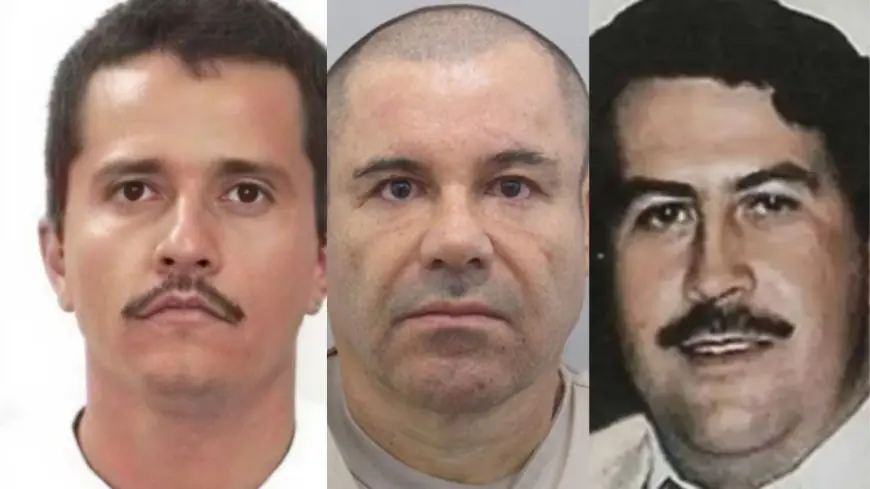
The name Pablo Escobar is back in daily conversation this week, not because of a new revelation about the Medellín cartel leader’s 1993 death, but because current events keep pulling his story forward. As authorities in Mexico and Colombia intensify operations against modern trafficking networks, commentators and policymakers are again using Escobar as the reference point for how drug empires grow, diversify, and survive leadership shocks.
The renewed focus highlights a hard reality for Latin America’s security landscape in 2026: removing a kingpin can change the map, but it rarely ends the business.
Pablo Escobar and the “kingpin shadow” after fresh cartel upheaval
Escobar’s enduring relevance comes from the template he helped establish—vertical integration of trafficking routes, intimidation of institutions, and public-image manipulation that blurred fear and fandom. This week’s wave of analysis has tied modern cartel upheaval to the “Escobar playbook,” emphasizing how successor groups built global supply chains that no longer depend on one charismatic boss.
The discussion is also about scale. Escobar’s era was defined by a single organization wielding extraordinary power inside one country. Today’s networks are more fragmented and transnational, spreading risk across cells, logistics brokers, and money-laundering intermediaries. That structure makes it harder for governments to land a single decisive blow.
Medellín tourism and the Pablo Escobar economy: profits vs. memory
In Colombia, the Escobar brand remains an uncomfortable economic engine. Visitors still seek tours, photo spots, and souvenirs that promise proximity to a dark chapter of history. Cities and local leaders continue to wrestle with what “memory tourism” should look like: education that confronts violence and corruption, or spectacle that turns trauma into a product.
That debate has sharpened as Colombia tries to center victims’ voices without harming legitimate local jobs tied to tourism. The tension shows up in everything from museum curation choices to whether guides are allowed to market Escobar as a folk hero. For many Colombians, the answer is straightforward: the story can be told, but glorification is a second harm.
Escobar’s hippos: a wildlife problem that won’t disappear
One of the most visible, ongoing consequences of the Escobar era is ecological. The hippos originally imported for his private collection multiplied over decades, creating a real wildlife-management crisis. Officials and scientists have repeatedly warned that an expanding hippo population can damage waterways, threaten native species, and create dangerous encounters with people.
The issue keeps resurfacing because it combines politics, science, and emotion. Any attempt to control the population—through relocation, sterilization, or other measures—draws intense public reaction. In 2026, the hippos have become a symbol of how criminal wealth can leave costs that society pays for generations.
Why Pablo Escobar remains a global media magnet
Escobar remains a fixture in global entertainment and social media because his story has cinematic ingredients: extreme wealth, brutal violence, and a rise-and-fall arc. But the renewed attention this week has included criticism of the way pop culture can flatten history into aesthetics—turning a real period of bombings, assassinations, and fear into memes and merchandise.
That critique matters because it shapes how younger audiences understand organized crime. When the narrative focuses on the swagger and not the consequences, it can distort the public’s tolerance for corruption and coercion. In Colombia, activists and educators continue pushing for storytelling that keeps victims at the center.
What to watch next: Escobar’s legacy in policy and culture
Escobar’s name tends to spike in the news when governments change tactics, when cartel violence surges, or when major streaming projects reignite fascination. The next phase of attention is likely to revolve around how countries fund anti-money-laundering enforcement and how they regulate “narco tourism” marketing.
Here’s a quick snapshot of the main Escobar-linked storylines drawing attention right now (ET):
| 2026 storyline | Why it’s trending now | What could happen next |
|---|---|---|
| Modern cartel shakeups | Comparisons to Escobar-era power dynamics | More focus on financial networks and logistics arrests |
| Medellín “narco tourism” | Pushback against glamorization | New guidelines for tours and historical sites |
| Escobar hippos | Environmental and safety pressure | Expanded sterilization and containment programs |
| Pop-culture revival cycles | Viral clips and renewed interest | Stronger victim-centered education campaigns |
Pablo Escobar is long gone, but the systems he exploited—weak institutions, lucrative demand, and globalized logistics—remain. That’s why his name keeps returning: not as history, but as a warning label for what happens when crime becomes an industry and myth becomes marketing.