
























Casey Means nomination fuels uncertainty over vaccine guidance and pregnancy medicine as Senate hearing spotlights gaps

The nomination of a public-health official is usually a policy moment; in this case it has become a flashpoint for uncertainty. The hearing left questions about vaccine policy, contraception safety messaging and antidepressant use during pregnancy unresolved — and the nominee, casey means, repeatedly avoided direct answers while aligning with the Health Secretary's talking points. Here's the part that matters: those gaps could shape clinical guidance and public confidence if the nomination moves forward.
Why Casey Means' responses widen uncertainty on public-health guidance
Risk and ambiguity emerged before the hearing details: senators pressed whether existing public-health conclusions would hold if the nominee takes the nation’s top public-health post. Means's reluctance to rule out a link between vaccines and autism, combined with evasions on the flu vaccine's protective effects and nuanced statements about antidepressants in pregnancy, reinforces a central question about future messaging from the surgeon general's office. The real question now is whether those answers signal policy change or messaging friction.
What unfolded at the Senate Health, Education, Labor and Pensions Committee hearing
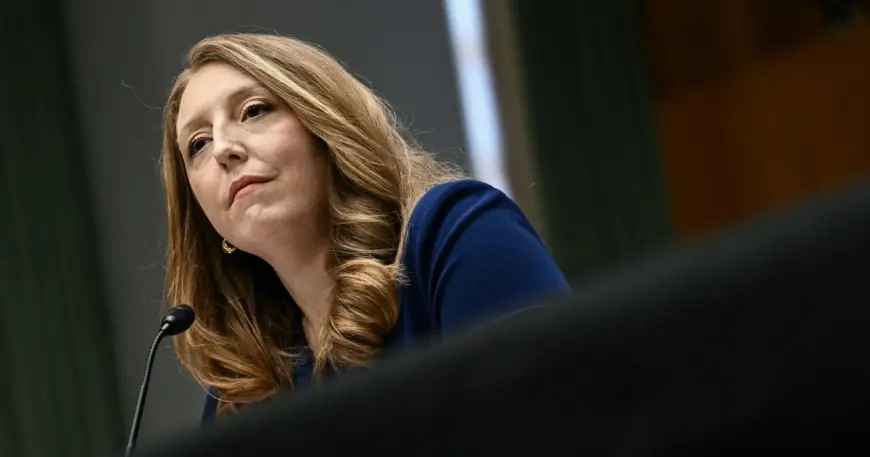
Dr. Casey Means appeared before the Senate on Wednesday in a long-awaited hearing to discuss her highly scrutinized nomination for surgeon general. She faced tough questions from members of the Senate Health, Education, Labor and Pensions Committee about her stances on vaccines, contraception and antidepressant use during pregnancy. Means often avoided direct answers, instead echoing refrains from Health Secretary Robert F. Kennedy Jr. and other top health officials.
Specific exchanges that framed the hearing
- Sens. Bill Cassidy, R-La., and Bernie Sanders, I-Vt., both grilled Means about whether she believed that vaccines cause autism, as Kennedy has claimed.
- Means said that vaccines save lives and that "anti-vaccine rhetoric has never been a part of my message. " She declined to rule out vaccines as a contributor to autism.
- Means said: "We do not know as a medical community what causes autism. Until we have a clear understanding of why kids are developing this at higher rates, I think we should not leave any stones unturned. " Scientists largely attribute the rise in autism cases to advances in diagnostic capabilities and greater understanding and awareness of autism spectrum disorder. Genes and environmental factors are likely contributors as well.
- Sen. Tim Kaine, D-Va., asked several times if the flu vaccine prevents serious disease, hospitalizations or death. After Kaine said, "Doctor, this is an easy one, " Means replied: "I support the CDC guidance on the flu vaccine. "
- Sen. Patty Murray, D-Wash., pressed Means about her prior comments on birth control; Means identified blood clots and stroke among women who have clotting disorders, are smokers or have obesity as some of the "horrifying" side effects she referenced, and said "I absolutely believe these medications should be accessible to all women" while adding that "all medications have risks and benefits. "
- On antidepressant use during pregnancy, Means reiterated that there are benefits and risks and said patients should have a nuanced conversation with their doctors. Some Food and Drug Administration officials have questioned whether pregnant women should stay on the medications, despite the American College of Obstetricians and Gynecologists’ recommendation to do
Affiliations and prior views that framed senators' scrutiny
Means is a popular wellness influencer and was a campaign adviser during the Health Secretary's presidential bid; she was an architect of his "Make America Healthy Again" agenda. Her brother, Calley Means, is a Health Secretary ally and senior adviser to the Department of Health and Human Services. Means has often expressed skepticism of traditional medicine on her website, writing that hormonal birth control has "horrifying health risks" and that the "total burden" of the vaccine schedule — before the Health Secretary overhauled it — is "causing health declines in vulnerable children. " Neither claim is substantiated by scientific evidence. Routine childhood shots are backed by decades of safety data, and serious complications from hormonal birth control are rare.
In January, the Health Secretary altered the Centers for Disease Control and Prevention’s childhood vaccine guidance. Instead of a universal recommendation for flu shots, the CDC now recommends shared clinical decision-making between patients and doctors. What's easy to miss is that this specific policy shift on flu vaccine guidance provides the concrete backdrop for several of the questions Means encountered at the hearing.
Quick Q&A: what this hearing means for clinicians and the public
Q: Will clinical guidance change immediately if Means is confirmed?
A: Unclear in the provided context; the hearing revealed hedged answers rather than definitive plans.
Q: Did Means reject anti-vaccine rhetoric?
A: She said vaccines save lives and that "anti-vaccine rhetoric has never been a part of my message, " but she declined to rule out vaccines as a contributor to autism.
Q: How should patients approach contraception and pregnancy medicine conversations now?
A: Means emphasized nuanced doctor-patient discussions and acknowledged risks and benefits, noting specific clotting-related risks for some women while also saying medications should remain accessible.
For readers following confirmation developments: the hearing clarified affiliations and highlighted persistent uncertainties rather than settling them. If you're wondering why this keeps coming up, it's because several central public-health questions — vaccine causation claims, the scope of flu-shot recommendations, and guidance on pregnancy medicines — were left unresolved during the session.