























Power in cleanup: New England blizzard recap and power impacts

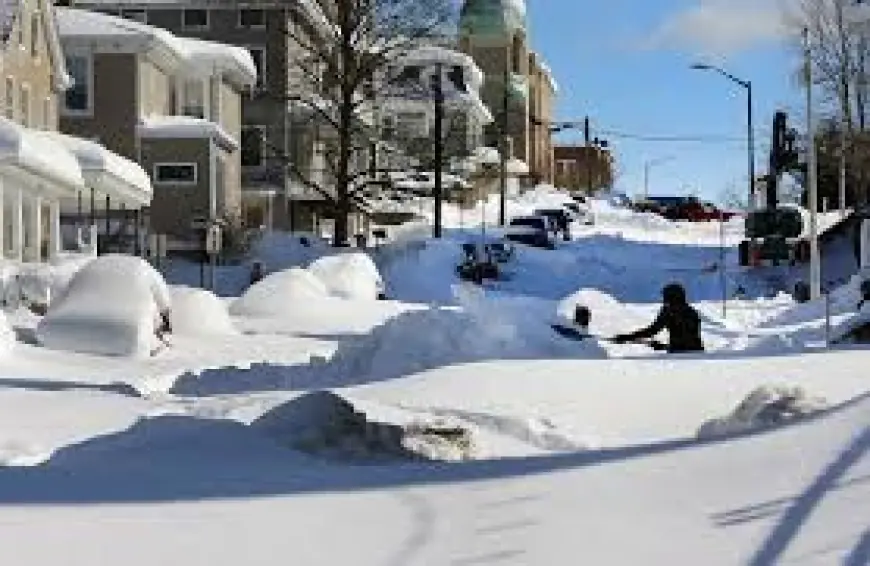
Cleanup continued across southern New England on Tuesday after a historic nor’easter dumped more than two — and even three — feet of snow in parts of the state and region. power appeared as part of the broader recovery conversation as officials and residents in Greater Boston and beyond dug out just weeks after the last major storm.
Storm totals and records
The nor’easter that barreled through New England on Monday shut down streets, schools, and businesses, dumping more than two — and even three — feet of snow in parts of the state and region. Monday’s Blizzard of ’26 dumped more than 3 feet of snow in many portions of Rhode Island, and well over 30 inches in parts of Massachusetts. The report also references top snowfall totals for each state and their previous record.
Roads, travel and state orders
Governor Maura Healey issued a statewide state of emergency and restricted non-essential vehicle travel in some counties before the worst of the storm arrived. In the aftermath, officials and residents focused on clearing city streets, bus stops, and sidewalks that had been crowded with mountains of snow.
Power and recovery operations
Rhode Island and southeastern Massachusetts bore the brunt of the storm, with more than three feet of snow falling at T. F. Green Airport in Warwick. Vermont and Connecticut agreed to send equipment and people to help Rhode Island dig out. Laura Hart, a spokesperson for Governor Dan McKee, said both states had agreed to send front-end loaders, dump trucks, plows, and people to drive them as soon as Wednesday. Hart added that McKee also asked other New England states for help, and are in discussions. Earlier in the day, Mayor Brett Smiley had asked the mayors of Boston, Hartford, Bridgeport, Conn., and other cities that were not as hard-hit as Providence if they could send plows to help.
Dispensaries and pre-storm buying
Ahead of the week’s history-making blizzard, people rushed to stock up on groceries, flashlights, shovels — and, for some, weed. Several dispensaries said sales skyrocketed ahead of Monday’s storm, similar to the spike seen in January. State data showed that on each of the two days prior to January’s snowstorm, pot sales across Massachusetts eclipsed those of last year’s 4/20 holiday — one of the most revenue-rich days for cannabis sellers — by more than $2 million.
Easthampton’s The Verb is Herb was packed all weekend, said Karen Croisetiere, who checks customers’ IDs at the door there. The 63-year-old Croisetiere said some customers hopped the border from Connecticut to grab their snow day essentials as late as 8 p. m. on Sunday night, hours after the statewide emergency and travel restrictions were issued. “Our customers are pretty rabid, ” the 63-year-old Croisetiere said. “People need their weed. ”
Mosque closures and Ramadan disruptions
The Islamic Society of Boston, the largest mosque in New England, reopened on Tuesday starting with early afternoon prayers, said Imam Abdulqadir Farah. The mosque, which has locations in Roxbury and Cambridge, had been closed since Sunday night due to the storm, bringing its Ramadan program to a halt. Farah said, “We had no prayers, like regular prayers … We didn’t have the taraweeh, we didn’t have the classes, we didn’t have any of the programs. We didn’t have Iftar. So everything has been obviously disturbed. ”
Farah said the Cambridge location will resume offering iftar on Tuesday. He added that the Cambridge location offers iftar every day during the month of Ramadan, while in Roxbury it provides the meal on weekends. Hundreds of people attend both locations for taraweeh prayers, he said. Being able to have Iftar with others at the mosque is part of the joy of Ramadan, something that was unavailable for the community on Monday. “Breaking fast together and just having a meal and sharing a meal and laughing with people, and all of that is missed, ” Farah said. “The fact that they had to endure” — unclear in the provided context
Cleanup and mutual aid continued through Tuesday as New Englanders assessed snowfall totals, coordinated equipment and crews, and reopened religious and community programs interrupted by the storm.