





















Eta rollout leaves dual nationals scrambling as eta checks begin

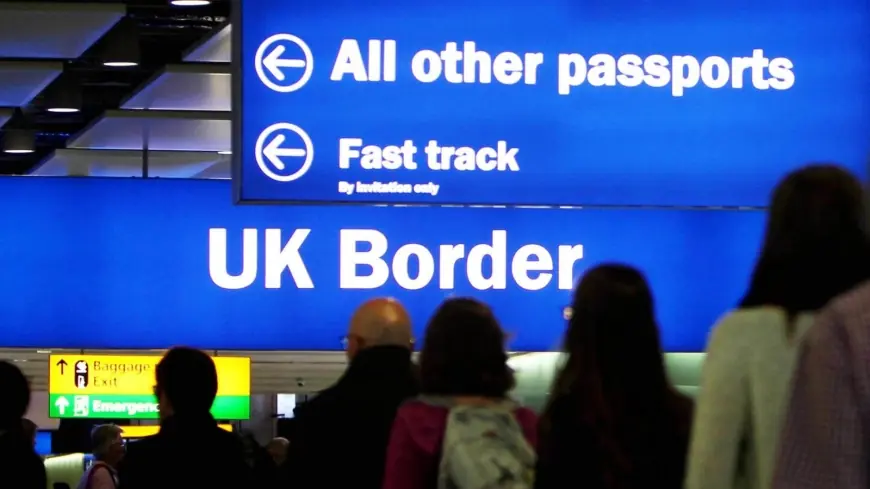
The UK has begun enforcing its electronic travel authorisation, or eta, requirement for most visitors from visa‑free countries from 25 February, a move that has prompted confusion at borders and left many dual nationals racing to secure proof of their right to enter. The change affects travellers from dozens of countries, including the US and Australia, and has immediate implications for boarding checks and documents needed to return to the UK.
Who must hold an eta and what it allows
The eta is a digital permission to travel to the UK. From 25 February, most people who have until now travelled to the UK visa‑free will need an eta; the new rules apply to people from 85 different countries. Once approved, an eta allows a visitor to stay in the UK for up to six months, is valid for two years or until a traveller's passport expires, and permits multiple journeys for purposes such as tourism, business or short‑term study.
Carrier checks and boarding rules for British dual nationals
From 25 February the Home Office says international carriers will check all passengers for valid permission or status to travel to the UK, similar to checks already made for visa nationals. For British citizens the correct permission is a British passport or a foreign passport endorsed with a certificate of entitlement; at their own discretion, carriers may accept some expired British passports as alternative documentation. Travellers face being blocked from boarding a flight, ferry or train if they do not present a British passport or a certificate of entitlement, because carriers must be able to verify the traveller's documentation before departure.
Documents, costs and the practical choices
The certificate of entitlement carries a steep fee: it costs £589. By contrast, applying for a British passport is cheaper at £94. 50. An eta itself currently costs £16, with the government saying it plans to increase the fee to £20 in future. The Home Office has recommended applicants use the government app available on Google Play or the Apple App Store to apply for an eta.
Real‑world disruption: the case of Florence Garland
Dual nationals have been left vulnerable to disruption. Florence Garland, a dual British‑French citizen, cancelled a trip to France next week because of the changes. Ms Garland became a British citizen in November, but discovered a typo on her certificate of entitlement and had to return the document for correction. The corrected certificate took two‑and‑a‑half months to be re‑issued, leaving her with no time to apply for a British passport and meaning she could not return to the UK on her French passport. "I feel really, really let down by this, " she said. "Obviously, I had no communication when I applied for British citizenship, no communication during the ceremony. "
Transit, exemptions and longer visits
There are specific exemptions and limits. People transiting through UK airports who do not need to go through border security will not need an eta. British or Irish citizens will not need an eta or a visa to visit the UK or to travel through it; there are a few other exceptions such as those with settled status or children travelling from France on a school trip. Longer trips and visits for work or longer study will still require a visa, and people who usually need a visa will continue to need one rather than an eta.
Government timeline and outreach efforts
The scheme was launched in October 2023 but was not strictly enforced at first to give visitors time to adjust to the new requirement. In November the government said etas would be mandatory from 25 February. The Home Office says it has advised dual nationals to ensure they have the right documents to enter the UK since October 2024 and that it has been advertising the eta changes since 2023. The government also says etas will streamline the immigration system, speed it up and make it more secure.
How dual nationals can share boarding experiences
A news organisation has invited British dual nationals who have been prevented from boarding a flight, ferry or train because they did not have a British passport or a certificate of entitlement to share their experiences. The invitation asks those affected to include as much detail as possible, to provide contact details so they can be contacted for more information, and notes that the maximum file size for uploads is 5. 7 MB.