


















Latest State of the Union Clash: Democrats, Guests and Communities Felt the Impact as Shouting and Walkouts Escalated

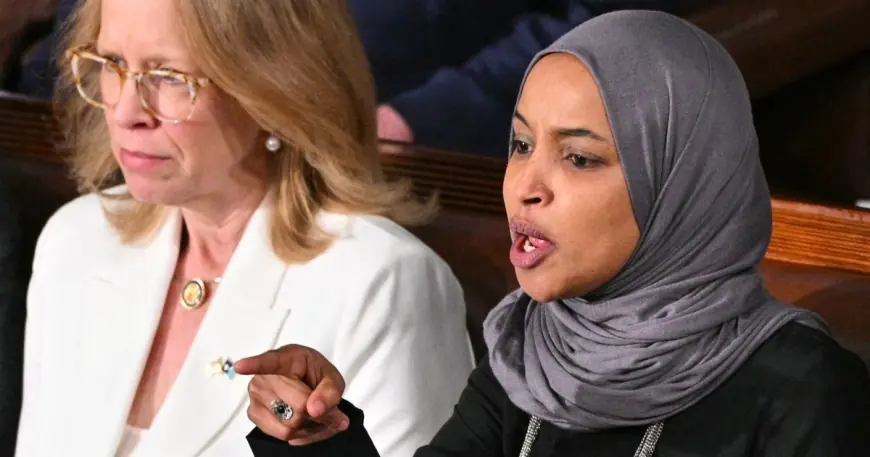
The latest confrontation at the State of the Union put immediate pressure on Democratic lawmakers, families of victims and communities targeted by immigration enforcement. From shouted exchanges on immigration and fraud to carefully chosen guests and walkouts, the session shifted the room from policy speech to spectacle — and it made clear who felt the impact first: Democrats in the chamber, survivors and the Minneapolis community named in protests.
Latest impact: who was affected inside and outside the chamber
Here’s the part that matters: Democratic lawmakers absorbed the brunt of the confrontation in real time, while specific communities and families were pulled into the moment through signs and guests. Key individuals inside the chamber reacted loudly — and that reaction immediately reframed the address as a scene of protest and pushback rather than a normal speech.
How the clash unfolded during the State of the Union
Tensions rose during the president’s remarks about illegal immigration and an investigation linked to the Somali community in Minnesota. The president said Democrats should be ashamed, and Democratic members responded vocally: Rep. Ilhan Omar, D-Minn., shouted that lawmakers should be ashamed back; Rep. Rashida Tlaib, D-Mich., yelled “Liar!”; and Rep. Sarah McBride, D-Del., could also be seen shouting.
Omar and Tlaib at one point yelled, “You have killed Americans!” and later left the House chamber. The confrontation escalated after Rep. Al Green, D-Texas, was ejected from the House floor for the second straight year after waving a sign that read “Black People Aren’t Apes!”
Selected guests, signs and symbolic moments
- Rep. Norma Torres, D-Calif., held a sign with photos of Renee Nicole Good and Alex Pretti — two U. S. citizens who were killed by immigration agents in Minneapolis in January.
- More than a dozen House Democrats invited survivors of convicted sex offender Jeffrey Epstein to be their guests.
- Rep. Rashida Tlaib shouted during the speech, asking about the Epstein files; other Democrats, including former House Speaker Nancy Pelosi, wore pins calling on the administration to release all of those files.
Alternatives, protests and the formal Democratic response
Dozens of Democratic lawmakers either attended or spoke at alternative events rather than remain fully present in the chamber. Those events included a "People's State of the Union" outdoors on the frigid National Mall and a "State of the Swamp" gathering at the National Press Club near the White House, which featured rebuttals from lawmakers and actor Robert De Niro, among others.
The official Democratic response was delivered from Colonial Williamsburg, where Virginia Gov. Abigail Spanberger criticized the president and predicted that voters would reject what she called the administration’s “chaos” in November. Spanberger said the president was enriching himself, his family and friends, described the scale of corruption as unprecedented, and cited a cover-up of the Epstein files, crypto scams, and closeness to foreign princes and billionaires. Concerns over deportation tactics were a driving force behind much of the Democratic pushback, and Spanberger’s remarks followed that thread.
Signals, history and unresolved fragments
What’s easy to miss is how much of the confrontation relied on recurring gestures: ejections and visible signs echoed earlier behavior by both sides, and this session intensified tactics first seen previously. Al Green’s ejection for the second straight year points to repetition in protest tactics. A brief timeline of verifiable moments:
- Tuesday night — the State of the Union speech where the confrontations occurred.
- January — Renee Nicole Good and Alex Pretti were killed by immigration agents in Minneapolis (these deaths were referenced in the chamber).
- Second straight year — Rep. Al Green was ejected after waving his sign.
One fragment in the available text is incomplete and unclear in the provided context: the final sentence of the coverage ends abruptly with “Our br”.
The real question now is how this level of public confrontation will shape messaging and turnout ahead of November, and whether the emphasis on guests, signs and walkouts changes how future addresses are staged. The bigger signal here is that ritual moments in the chamber are being repurposed as platforms for grievance and accountability rather than routine civics.
Writer’s aside: It’s easy to overlook, but the combination of visible guests and direct shouting compresses policy debate into performative protest, making it harder for either side to pivot back to substantive exchange without more deliberate coordination.
Note: details in this article are drawn strictly from the provided account of the event; some fragments in that account are incomplete and labeled above as unclear in the provided context.