






















TrumpRx.gov Launches: What the Trump Prescription Website Means for Drug Prices

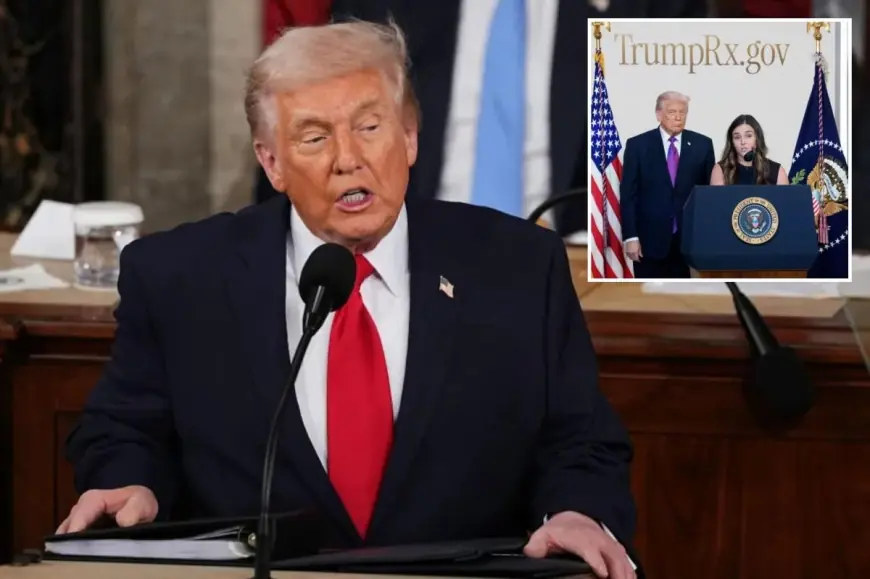
The Trump administration officially unveiled TrumpRx.gov on February 5, 2026, a new government-backed prescription website promising Americans access to dramatically lower drug prices. The launch marks one of the most closely watched healthcare moves of Trump's second term, drawing reactions from patients, policy experts, and the pharmaceutical industry.
What Is TrumpRx and How Does the TrumpRx.gov Website Work
TrumpRx is a government website that lists drugs at reduced rates with coupon codes to be used at participating pharmacies or directly through manufacturers' sites. It is not a direct-to-consumer pharmacy. Users can be directed to a manufacturer's site, print out a coupon, or in some cases call a pharmacy directly and get the drug sent by mail. The site is more about information than actually purchasing the medication.
The TrumpRx.gov website is available to any American seeking lower cash prices. The discounts are only available for cash-paying patients and do not apply to those paying through insurance, nor do the savings count toward insurance deductibles.
Trump Rx Prices: How Much Can Americans Save
Ozempic and injectable Wegovy are expected to drop from $1,028 and $1,349 per month to an average of $350, with some dosage levels priced as low as $199. The oral version of Wegovy could be available for as little as $149 per month, depending on dosage strength.
Other notable Trump rx prices include Bevespi Aerosphere, an inhaler for COPD, discounted from $458 to $51, and Insulin Lispro available for as low as $25 per month. Duavee, used to treat hot flashes and osteoporosis, drops from $202 to $30. Fertility drugs also feature prominently, with significant discounts on IVF medications that are rarely covered by insurance.
Most-Favored-Nation Pricing: The Engine Behind TrumpRx
TrumpRx.gov is based on the most-favored-nation, or MFN, pricing model, which seeks to align U.S. drug prices with the lowest prices paid by other developed countries. The MFN pricing policy was established through an executive order signed in May 2025.
In exchange for exemptions from U.S. tariffs, participating drugmakers agreed to lower prices for the federal Medicaid program and extend those reduced prices to cash-paying consumers through TrumpRx. The administration has now secured deals with 16 pharmaceutical manufacturers, including AstraZeneca, Eli Lilly, Novo Nordisk, and Pfizer.
Which Drugs Are Listed on the TrumpRx Website
The TrumpRx site showcases more than 40 medications, including weight-loss drugs such as Ozempic and Wegovy. The lineup also covers inhalers, HIV treatments, diabetes drugs, and fertility medications. The website notes that many more drugs are coming soon, though only a few dozen are currently offered.
Some drugs remain very expensive on the platform. Xeljanz carries a starting price of $1,518 despite a posted 50% savings, illustrating the limits of how far the Trump rx prices currently reach.
Expert Reaction to the TrumpRx.gov Website
Health policy analysts are divided on the real-world impact of the Trump prescription website. For the vast majority of people, it will continue to be less expensive to purchase medicines using insurance than to pay cash prices, even at the discounted rates offered through TrumpRx.
For patients whose drugs are not covered by insurance — such as those needing fertility treatments or obesity medications — TrumpRx and other cash-pay discounts can provide meaningful relief. Critics also note the platform's similarity to existing services. One pharmacist and health policy fellow described the site as a convenience for aggregating coupons in one place, but stopped short of calling it a structural change to drug pricing.
What Comes Next for TrumpRx
The administration has signaled that TrumpRx.gov is an evolving platform. The site states it is "just getting started," with updates promised as new medications are added. Additional pharmaceutical companies are expected to join the program as MFN negotiations continue throughout 2026.
Pharmaceutical manufacturers spent a record-high $187 million on lobbying in 2025, underscoring the political weight behind any structural shift in U.S. drug pricing policy. Whether TrumpRx delivers lasting change or remains a targeted discount tool will depend heavily on how broadly the platform expands in the months ahead.