











Presidential Medal Of Freedom optics cloud U.S. men’s hockey gold after Miami celebrations

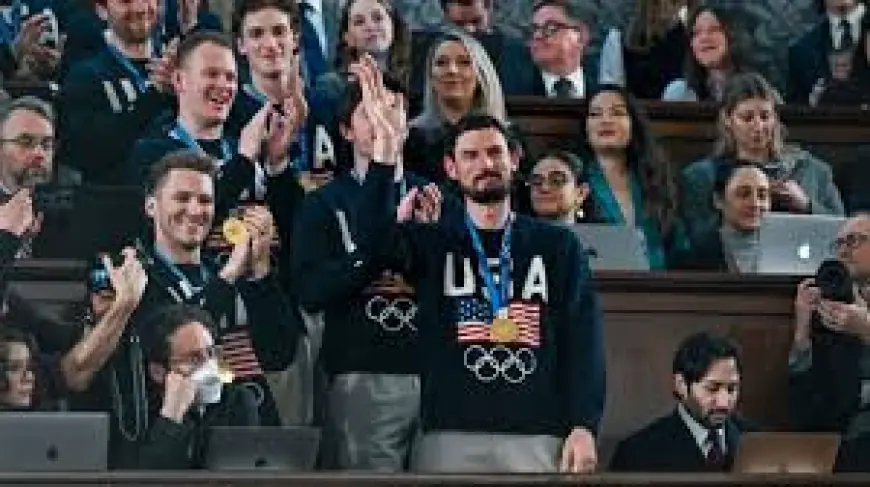
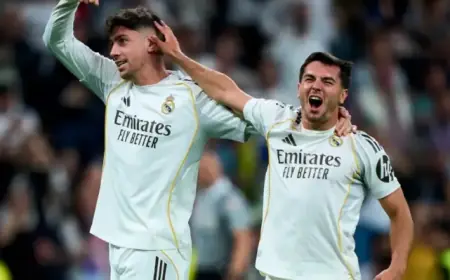
For a few hours on Sunday afternoon the nation united around the U. S. men’s Olympic hockey team’s gold — won in three regulation periods and one cathartic overtime — but that moment of shared joy has been complicated by high-profile encounters and post-victory behavior. The debate now extends into questions of Presidential Medal Of Freedom-style optics because the team’s immediate celebrations included a presidential call, locker-room revelry with a senior federal official and plans to appear in the House Chamber during the State of the Union.
Three periods and one overtime: victory over Canada after 46 years
The win ended a 46-year wait since the “Miracle on Ice, ” sealing the achievement in three heart-stopping periods of hockey and one overtime against a seemingly indomitable Canadian squad. For a few hours on Sunday afternoon strangers high-fived in bars, grownups hugged with wet eyes, and politics and culture wars were set aside as the country deferred, briefly, to the unifying power of sports.
President Donald Trump’s call and House Chamber plans
In the immediate aftermath the team took a customary, congratulatory call from President Donald Trump. Some players laughed at a misogynistic joke about the gold-winning women’s hockey team during that interaction — a reaction the account singled out as unlikely to land well with many Americans. After a wild night of partying in Miami following their return from Italy, members of the team announced plans to step into the House Chamber and make an appearance at Trump’s State of the Union, moves that injected political symbolism into the celebration.
Kash Patel in the locker room and scrutiny over spending
The locker-room celebration included beer-chugging with FBI Director Kash Patel, who is now under scrutiny for using taxpayer money to fund a sports getaway. That encounter with a senior federal official became part of the broader narrative about who the champions chose to celebrate with and why those choices matter beyond the rink.
Miami party after return from Italy
After returning from Italy the team staged a wild night of partying in Miami. Those actions, combined with the other post-victory moments, have contributed to the sense that the widespread celebration is over now and that some of the team’s goodwill has diminished. The image credit in the original account was Alexander Tamargo / Getty Images, underscoring how quickly private jubilation can become public spectacle.
Presidential Medal Of Freedom optics and public goodwill
What makes this notable is how routine rituals — taking presidential calls, visiting Washington, partying and accepting praise — can be repurposed into political capital in a polarized moment. The piece argues that this isn’t a neutral president and that proximity to him carries weight whether players are being intentional or merely naive. It emphasizes cause and effect: by stepping early into presidential embrace, the team narrowed its moment and allowed political optics to softening of public perceptions of the president.
The argument continues that Trump understands the optics of standing next to winners; that proximity can normalize him, recast crude jokes as locker-room banter and wash reputation, reducing the impact of polls that indicate a significant majority of Americans disapprove of his second term. Champions, the account stresses, have agency — especially in the afterglow of triumph — and should be wary of giving that agency away so casually.
The overall assessment is blunt: the team neither created the country’s divides nor demonstrated a shrewd political instinct, but their post-victory choices have had measurable effects on public goodwill. No one can take that gold medal, or how it made all of us feel, away from Team USA; the final thought in the original account is unclear in the provided context.