




















Fl execution reverberates for victim’s family, prison staff and protesters after second death this year

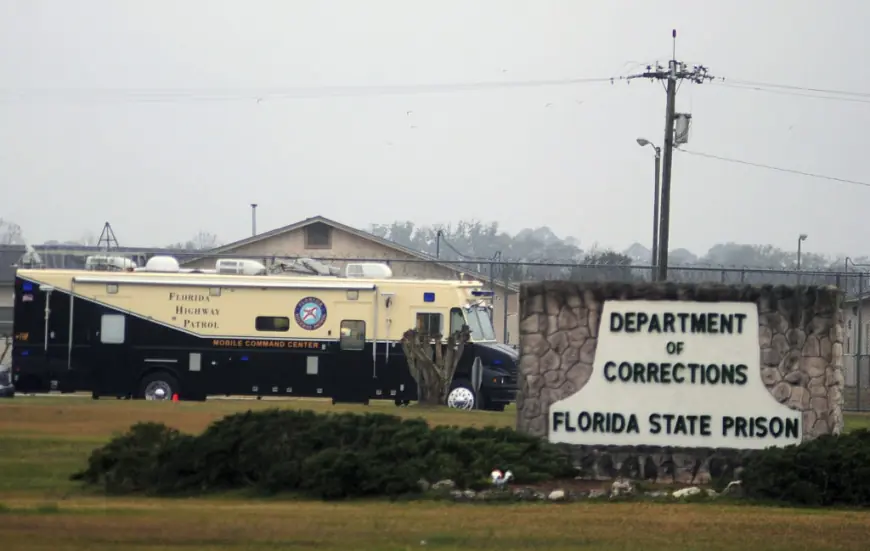
Who is affected first: the family who lost a grocery store owner decades ago, the people in the witness room, and the staff charged with carrying out a complex procedure. The execution of Melvin Trotter, pronounced dead at 6: 15 p. m. at Florida State Prison near Starke, is the second carried out in the state this year and follows an unusually busy year of executions in 2025. The fl moment landed as legal and procedural questions remain unsettled.
Fl ripple: immediate impacts on families, witnesses and prison operations
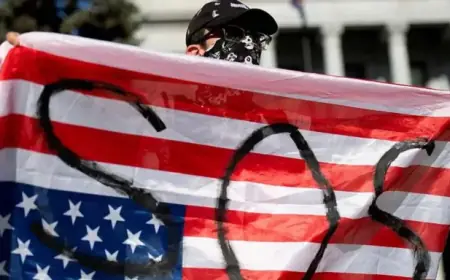
Here’s the part that matters: the visible effects were concentrated in a small witness room and on a wider public debate about how executions are handled. Family members of the victim were seated in the front row; the witness room was described as quiet throughout the process. Demonstrators had gathered outside the prison before the scheduled time, holding signs and observing silence as the hour approached.
What’s easy to miss is that the physical scene and the legal steps are both sources of lasting consequence—one for people who knew the victim and the other for those watching how the state executes punishments.
Event details and procedural timeline
Rather than a blow-by-blow, these are the confirmed markers that frame what happened and how it fits into a larger pattern.
- Case background: Melvin Trotter was convicted for the 1986 killing of grocery store owner Virgie Langford in Palmetto and later sentenced to death following a retrial.
- Execution: Trotter was pronounced dead at 6: 15 p. m. after a three-drug injection at Florida State Prison near Starke. He declined to give a last statement.
- Legal steps: The U. S. Supreme Court denied a final appeal the afternoon of the execution, and a justice raised questions about the state’s administration of lethal drugs; those concerns were left unresolved by the court’s decision.
Micro timeline (verifiable points):
- June 16, 1986 — The assault on the grocery store owner occurred in Palmetto.
- 1987 — Trotter was convicted of first-degree murder and originally sentenced to death.
- 1993 — After a finding of trial error, Trotter was resentenced to death at a subsequent proceeding.
The broader context: Florida carried out an unprecedented number of executions in 2025, and this case stands as the state’s second this year. Outside Florida, a small number of other states have also carried out executions so far this year.
The real question now is how the legal and procedural questions raised before this execution will be settled going forward. The stay of unresolved concerns about drug protocols and administration means this moment is likely to prompt additional scrutiny.
- Who felt the impact most directly: family members present in the witness room, prison officers involved in the procedure, and protestors who traveled to the prison.
- Immediate procedural signals: the denial of the final appeal and the public raising of drug-protocol concerns at the highest court level.
- System-level note: this execution furthered a recent surge of activity following a notably busy prior year for executions, which puts administrative practices under sharper attention.
Quick Q& A (brief, practical):
- Q: What happened at the prison the evening of the execution?
A: The execution procedure began in the scheduled window; Trotter was restrained, declined a last statement, showed signs of labored breathing and movement during initial minutes, and was pronounced dead at 6: 15 p. m. - Q: Are legal challenges still active?
A: The U. S. Supreme Court denied a final appeal the afternoon of the execution; questions about the administration of lethal drugs were raised but not resolved. - Q: How does this fit with recent state activity?
A: This is the second execution in the state this year and followed a year of unusually high execution numbers the year before.
Signals to watch for confirming the next turn would include any formal investigation or review of execution protocols, changes in how witness procedures are handled, or renewed legal challenges focused specifically on drug administration. If you’re wondering why this keeps coming up, the combination of long-delayed cases and procedural questions makes each execution a flashpoint for both private grief and public scrutiny.
Final practical note: details about body disposition and attendance at the execution were handled by prison officials and local medical examiners; those administrative steps followed the pronouncement of death at the facility.