





















Npr headliners push oversight into overdrive after DOJ withheld Epstein files tied to Trump

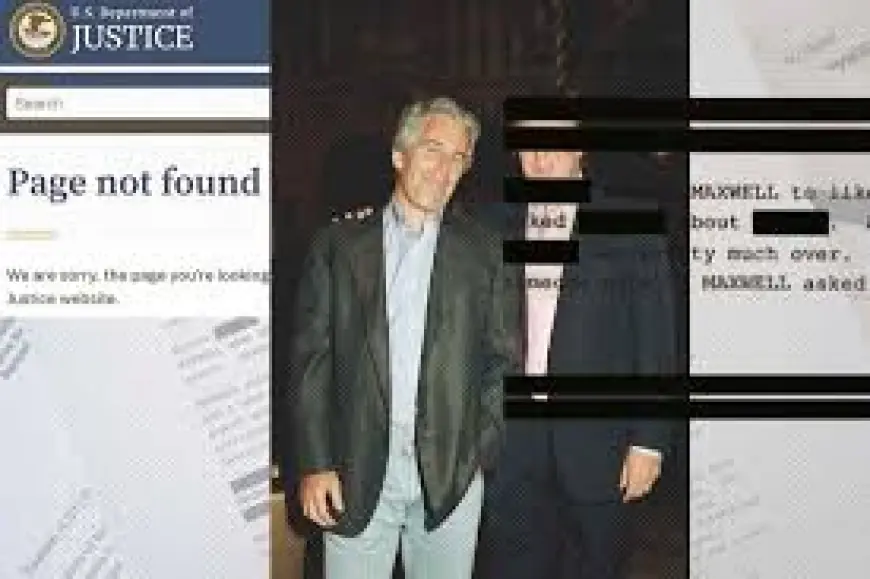
Why this matters now: the newest chain of headlines shifts the focus from isolated file questions to immediate institutional consequences — oversight, evidentiary gaps and a formal inquiry path. The npr entry in a recent compilation flags an assertion that the Justice Department withheld and removed some Epstein files connected to Trump; that claim, paired with reports of missing FBI records and a planned Democratic probe, changes how investigators and lawmakers will prioritize follow‑up.
Npr findings sharpen who must answer and how quickly they must do it
What follows is consequence-driven: if files were withheld or removed, prosecutions, records preservation policies and congressional oversight routines are all affected. The practical outcome is not yet resolved, but the existence of the three linked headlines accelerates pressure on oversight mechanisms and prompts faster requests for explanations and documentation.
What the recent items state (headlines and timestamps)
Compiled items list three distinct claims with timestamps:
- "Justice Department withheld and removed some Epstein files related to Trump" (published 17 hours ago).
- "Dozens of FBI records apparently missing from Epstein files, including Trump accuser interviews" (published 2 hours ago).
- "Democrats to probe DOJ’s alleged withholding of Epstein files on Trump" (published 4 hours ago).
The collection includes an npr headline with the 17-hour timestamp, a later item noting missing FBI records at 2 hours, and a 4-hour entry describing a planned partisan probe; the sequence in time may matter for how questions are prioritized by investigators and lawmakers.
Practical takeaways and early indicators
- Immediate scrutiny: The presence of a headline asserting removal or withholding of files creates an immediate demand for internal DOJ accounting and an audit trail for those records.
- Evidence gaps flagged: The second headline highlights dozens of FBI records that are described as missing, specifically identifying interviews tied to a Trump accuser; missing interview records change how evidentiary leads are preserved.
- Political oversight: The third item signals that at least one party’s members are moving to open a formal probe into the alleged withholding; that procedural step can compel document production or sworn testimony.
- Next signals to watch for: formal subpoenas, release of a document inventory, or statements that confirm whether files were removed, withheld, or simply misplaced. These would change the story from reporting to formal investigatory action.
Here's the part that matters for readers following institutional accountability: the headlines taken together convert an archival question into an active oversight matter that could produce hearings or legal reviews.
Open questions, limits in the public record, and short‑term outcomes
Key unknowns remain unclear in the provided context: who specifically authorized any removal, the chain of custody for the flagged files, and which FBI records are missing beyond the referenced interviews. The reporting timestamps show how rapidly the narrative evolved across the three items, but they do not resolve those procedural details.
What’s easy to miss is that timestamps themselves create momentum: a 17-hour item, then a 4-hour announcement of a probe, then a 2-hour note about dozens of missing records compresses the timeline and raises questions about how information moved between investigators, lawmakers and the public. The real question now is whether those compressed timestamps will trigger expedited document demands or formal investigative steps.
Expect clarifying actions to follow: requests for inventories, statements from institutional leaders, and potential formal subpoenas. Until such steps appear, the assertions in the headlined items remain active developments and may evolve.