
















World Cup host cities warn Congress as $625m in security funding is held up by DHS shutdown

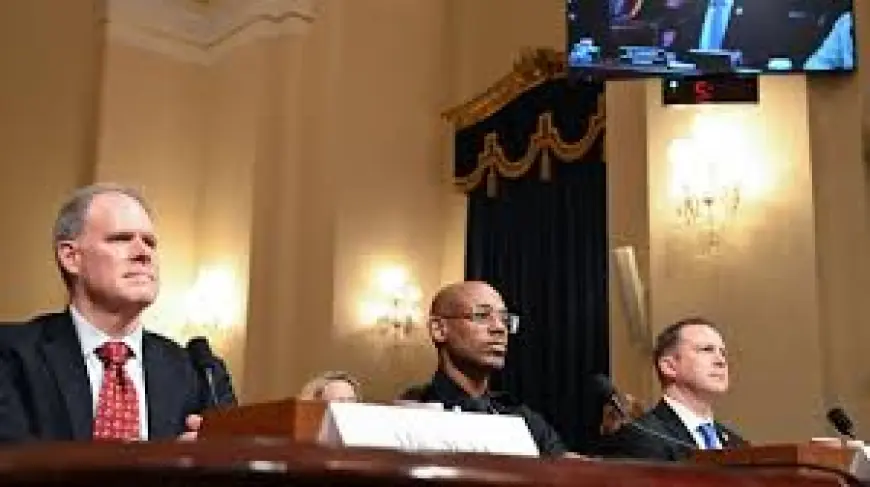
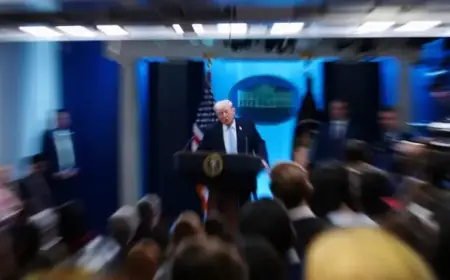
Host cities for the 2026 world Cup told a House homeland security hearing that $625m in federal security funding has not been released because a partial shutdown of the Department of Homeland Security has left the administering agency without appropriations. With roughly 107 days until kickoff and about 70 days before fan-festival construction must begin in some locations, local officials warned that planning and public events face immediate jeopardy.
World Cup funding and shutdown: development details
Federal lawmakers had set aside $625m for security assistance to the 11 U. S. cities that will stage World Cup matches. That money is being administered through the Federal Emergency Management Agency, but FEMA’s funding lapsed when Congress did not approve a DHS appropriations bill and the partial shutdown took effect late last week. Miami, Kansas City and New Jersey—three host areas that together will stage 21 matches, including the final—told the committee they still have not received any of the promised grant money. Miami’s host committee alone applied for $70m in assistance.
At the hearing, Raymond Martinez, chief operating officer of the Miami host committee, said planners are 107 days from the tournament and roughly 70-something days from the start of fan-fest construction, and that critical decisions must be made within the next 30 days. Representative Nellie Pou pressed the point that municipalities are running out of time, noting the proximity to kickoff and the global attention the event will draw.
Context and escalation
The lapse affects a limited, partial shutdown centered on the Department of Homeland Security, which oversees agencies including FEMA, the Transportation Security Administration, the Coast Guard and the Secret Service. Senate Democrats have withheld approval of further DHS funding until the administration agrees to new restrictions on federal immigration enforcement operations following recent fatal shootings by immigration agents. By contrast, Immigration and Customs Enforcement appears likely to remain funded through prior appropriations enacted last summer.
Because FEMA is the program administrator for the World Cup grants, the funding gap has directly prevented disbursement of the $625m. The committee was told that the suspended payments have already forced at least one major event change: a planned large fan festival in Liberty State Park, New Jersey, was canceled and replaced with a series of smaller watch parties after budgetary uncertainty emerged.
Immediate impact
Local agencies and event planners said the cash freeze has created immediate operational and contractual risks. Officials warned that without federal grants, hiring, site construction and vendor commitments cannot proceed on schedule; Martinez characterized the situation as potentially catastrophic for coordination if funds do not arrive in the next month. The United States leg of the tournament is expected to draw about five million fans, intensifying the logistical stakes for security, transportation and festival management.
Municipal leaders stressed the tangible consequences: postponement or cancellation of large-scale fan festivals, rework of local budgets to cover shortfalls, and mounting anxiety among law enforcement and event contractors who must finalize plans weeks before physical build-out starts. The combined effect of missing federal grants and tight timelines has altered the scale and scope of planned public gatherings in at least one host region.
Forward outlook
The next confirmed milestones are time-driven: roughly 107 days remain until the opening matches, about 70 days remain before some host committees must begin constructing fan-festival sites, and officials testified that key funding decisions need to be made within the next 30 days to enable those starts. Congressional action on DHS appropriations and executive negotiations over the disputed immigration-enforcement terms are the immediate procedural hurdles identified at the hearing.
What makes this notable is the tight alignment of fiscal and calendar constraints—the funding pause has a direct causal link to stalled planning, and the shrinking window now threatens contracted timelines and public events. Officials framed the tournament as a world-stage event that requires coordinated and timely federal support, underscoring that delays in appropriations translate quickly into canceled programs and compressed security preparations.
The House hearing placed the issue squarely before lawmakers and local leaders, flagging both the dollar amount at stake and the operational deadlines host cities face as the summer event approaches.