



















Jake Guentzel and Team USA’s Gold Moment Clouds After Locker-Room Call and Miami Celebrations

The U. S. men’s Olympic hockey team captured gold with a 2-1 victory over Canada, but the postgame fallout — a locker-room call with President Donald Trump and high-profile celebrations that drew scrutiny — has shifted the narrative around the triumph; Jake Guentzel.
Locker-room call and Jake Guentzel
Video of the men’s team speaking to President Donald Trump from the locker room circulated in the hours after the gold-medal game, and a joke by the president about the women’s team prompted laughter from players. Trump said, "We're going to have to bring the women's team, you do know that. I do believe I probably would be impeached. " That exchange, captured on camera, became central to criticism that followed.
President Donald Trump's joke and criticism
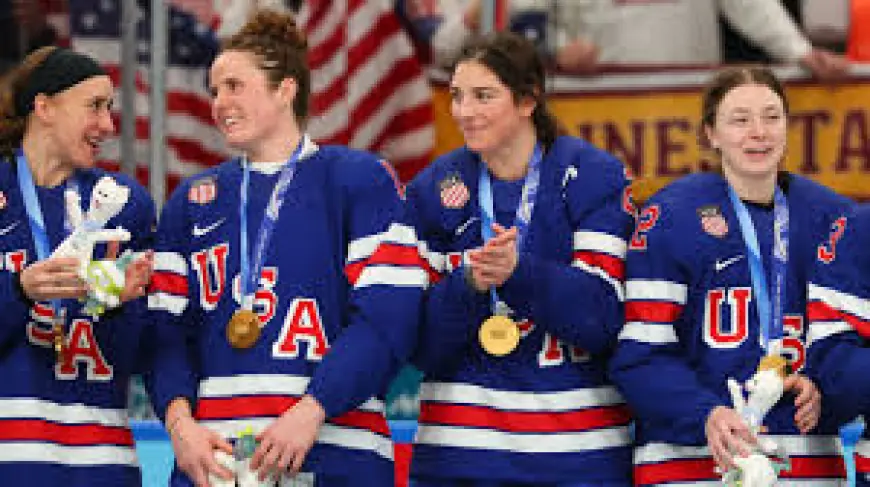
Observers split over the moment: some interpreted the phrasing as suggesting the president felt obliged to invite the women’s team and would do so grudgingly; others said the men’s laughter came off as disrespectful to the women’s squad, which also won gold and delivered a more dominant run through the tournament. The team's immediate reaction narrowed the celebratory window that surrounded the victory, prompting debate about the overlap of sports and politics.
Kash Patel, Italy return and Miami partying
After returning from Italy, members of the men's team spent a night of heavy celebration in Miami. FBI Director Kash Patel joined the festivities in the locker room and was seen chugging beer, and he was the person who called Trump during the postgame call. Patel is now under scrutiny for flying to Italy and for questions about using taxpayer money to fund what has been described as a sports getaway.
House Chamber plans and the State of the Union
Following the victory and subsequent celebrations, some players announced intentions to appear in the House Chamber and at President Trump’s State of the Union. That prospect intensified criticism because appearances on that stage carry political symbolism. The proximity to the presidency — whether intentional or not — changed how parts of the public read the team's actions.
Hughes family responses and team solidarity
Quinn Hughes, who played for Team USA, addressed the situation on Good Morning America and emphasized that the men's team was "really happy" for the women's squad. He noted that in recent summers the men trained with the women and got to know many of the players well. His brother Jack Hughes, who scored the game-winning goal in the gold-medal game, defended the men's support for the women and said the locker-room was proud of the women's accomplishment; Jack added the team was excited to meet the president and framed participation as patriotic, saying, "We're so proud to represent the US. " Their mother, Ellen Hughes, who played for the national team at the 1992 Women's World Championship, urged unity and highlighted how both the men’s and women’s teams brought people together across political divides.
Women's team invitation and scheduling conflicts
President Trump invited the U. S. women's hockey team to the State of the Union. A spokesperson for the women's team called the invitation "sincerely grateful" but said the players could not attend because of "previously scheduled academic and professional commitments, " NBC News said. The missed attendance by the women's team added another layer to public reaction following the men's victory.
What makes this notable is how quickly a singular moment of national unity — three intense periods of hockey and one overtime, ending a 46-year wait for a men's Olympic gold since the Miracle on Ice — shifted into a debate about optics, priorities and the responsibilities of public-facing athletes. The sequence of events is clear: a 2-1 win over Canada produced jubilation; a locker-room call and a beer-fueled celebration involving a senior federal official followed; and plans to appear in the House Chamber compounded the political reading of the weekend. Those choices produced measurable consequences in public response and prompted calls for greater awareness from players who, in triumph, still hold agency over how their victory is presented to the nation.
Unclear in the provided context is how many players planned the congressional appearance, and which individuals will ultimately accept invitations tied to the State of the Union.