




















Kevin Porter Jr. and Milwaukee’s young guard trio are already reshaping minutes and matchups around Giannis

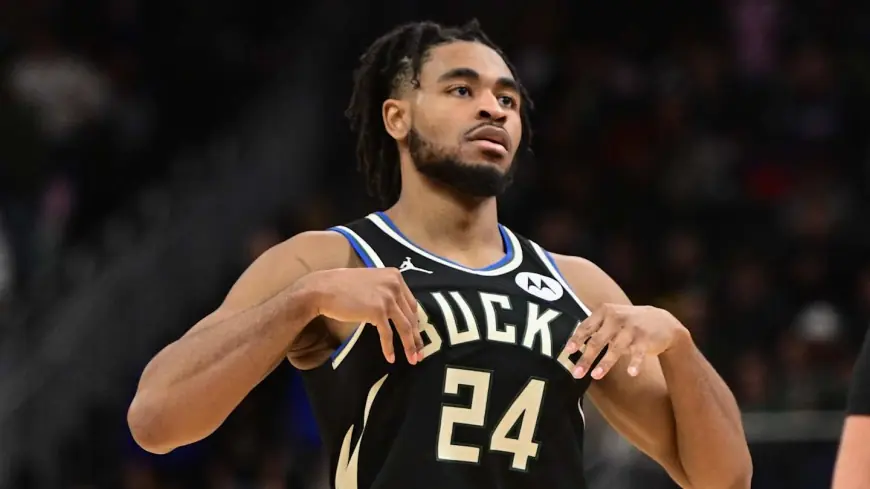
The immediate impact is on playing time and matchup planning: kevin porter jr., Cam Thomas and Ryan Rollins have become the offensive engine, forcing the coaching staff to prioritize their scoring while veterans see reduced roles. That shift matters because it changes who initiates offense for the team now and reshapes how Giannis is surrounded on both ends.
Kevin Porter Jr., role clarity, and the ripple effects on the rotation
Porter has emerged as the primary ballhandler among the three, averaging 7. 7 assists across his 30 appearances this season and using his handle to create for himself and teammates. That playmaking, paired with Thomas' instant scoring burst and Rollins' complementary scoring potential, has produced immediate lineup choices that favor the younger guards. The result: a swingman who once had a steady rotation spot has seen minutes evaporate, and the team is balancing offensive firepower with cautious management of a newly acquired scorer’s minutes.
- Cam Thomas has provided an offensive jolt in his initial appearances: high scoring in limited minutes and efficient shooting (18. 4 points in his first five appearances and 53. 1 percent from the floor in that span), which has translated into roughly 20 minutes per game in recent outings while he remains on a minutes restriction after missing earlier time with a hamstring issue.
- Gary Harris’ role has contracted sharply: his playing time has fallen to around nine minutes per game, down from earlier-month averages around the mid-teens, shrinking his opportunity to influence outcomes.
- Ryan Rollins, the youngest of the trio at 23, has shown flashes but can be vulnerable against physical defenses that force him into rushed drives.
Here’s the part that matters: the trio’s scoring upside creates a clear path for the coaching staff to prioritize offensive spacing and quick-fire scoring, but it also increases reliance on young decision-making in late-game moments. That trade-off is already reshaping opponent game plans and internal minutes distribution.
Embedded game context and what those shifts reveal
When the three combined against a weaker defense on the road, they delivered an efficient scoring outburst (79 points on 31-of-47 shooting), illustrating how dominant they can be when matchups favor them. A subsequent outing against a much more physical defense produced a stark contrast: the trio still led the team in scoring in a lopsided loss, but individual efficiency and ball movement dropped, with Rollins in particular struggling to adapt to increased physicality and pressure.
Coaching decisions have reflected these performance swings. The younger guards are being placed where they can attack mismatches and hunt shots, while Thomas remains on a cautious minutes plan as he returns from prior missed time. A once-effective three-guard lineup that had shown elite numbers in limited minutes this season has been used sparingly, in part because of injuries and the staggered arrival of new pieces; when it did play together earlier, it posted extremely favorable offensive and net metrics in small samples.
It’s easy to overlook, but the change in who closes games and who initiates possessions can have downstream effects on defensive cohesion and late-game play-calling. The real test will be whether the trio can sustain efficient shot selection against consistently tougher defenses and whether the minutes balance with veterans can remain stable.
- Young guards will feel pressure to reduce turnovers and improve decision-making against physical opponents.
- Veteran wings will likely see fewer high-leverage minutes unless the guards' efficiency declines.
- Confirmation that the shift is permanent would be sustained minutes for the young trio and gradual removal of the restrictions on Thomas’ playing time.
The real question now is how coaching will weigh immediate scoring gains against longer-term development and matchup flexibility. If the young trio continues to produce efficient offense and Porter sustains playmaking, expect rotations to stay tilted toward them; if physical defenses consistently blunt their production, adjustments will be necessary.
Micro timeline (small-sample frame):
- Limited minutes together earlier this season showed elite offensive output in small samples.
- The trio posted a high-efficiency scoring night on the road against a vulnerable defense.
- They then faced a physical unit where ball movement slowed and one guard notably struggled.
What’s easy to miss is how quickly one personnel change—adding a high-scoring reserve on a minutes restriction—can cascade into role reductions for established rotation players and alter late-game construction.
As this group grows and minutes are sorted, expect ongoing shifts in matchups and a sustained spotlight on kevin porter jr. ’s ability to balance scoring with playmaking. Schedule and role usage remain subject to change as the staff sorts development, health and tactical fit.