
















Nancy Mace and the State of the Union: Epstein Protest, Pins of Support, and a Charged Guest List

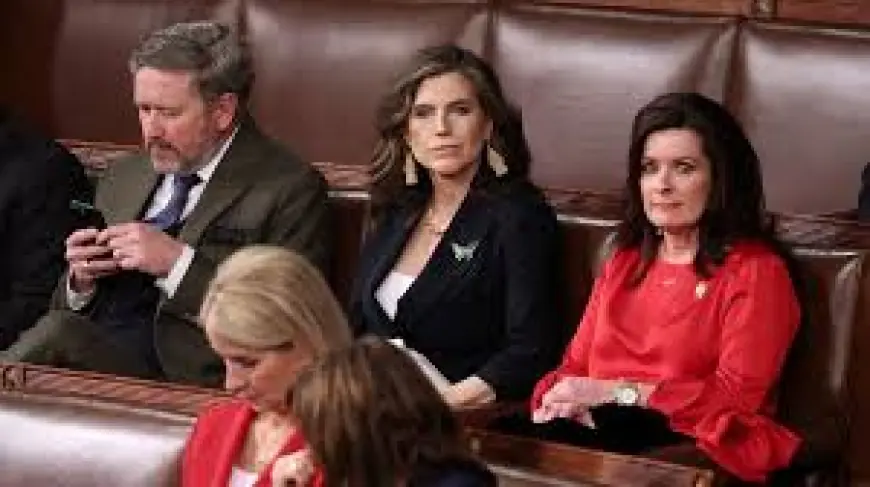
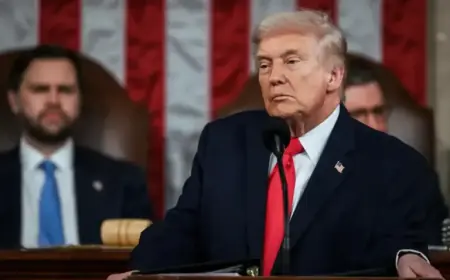
nancy mace is a focal name in recent coverage centered on the State of the Union, where Democrats were seen wearing pins supporting Jeffrey Epstein victims. A House Republican joined Democrats in an Epstein protest, and the guest list included Epstein victims, Erika Kirk and U. S. Olympic Hockey players. These elements combined to create a politically resonant moment during a high-profile address.
Nancy Mace and the Epstein Protest at the State of the Union
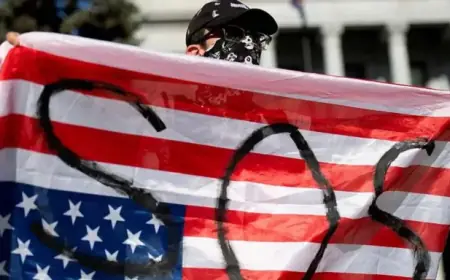
The presence of cross-party protest activity — a House Republican joining Democrats in an Epstein protest — changed the usual visual and political dynamics of the chamber. The decision by lawmakers to stage or join a protest during the address signaled that the issue commanded attention beyond traditional partisan lines. The optics of such a protest can reshape how audiences interpret the event and how lawmakers prioritize related policy and oversight questions going forward.
Democrats Wearing Pins in Support of Jeffrey Epstein Victims
One clear visual from the State of the Union was Democrats wearing pins in support of Jeffrey Epstein victims. Those pins served as a uniform symbol of solidarity and grievance during the address, concentrating attention on victim recognition and accountability. The pins functioned both as a personal statement for individual lawmakers and as a collective message that elevated the issue within the formal setting of the speech.
Guest List Spotlight: Epstein Victims, Erika Kirk and U. S. Olympic Hockey Players
The guest list for the State of the Union also drew attention. Epstein victims were included among attendees, alongside Erika Kirk and U. S. Olympic Hockey players. Placing victims and high-profile guests in the gallery amplified the human element behind the political statements and protests, making the subject harder to ignore for speakers and viewers alike.
What This Means Going Forward
Combined, protest participation, symbolic pins, and a curated guest list created a moment likely to influence short-term political conversations. Lawmakers framed the issue visibly inside the chamber, and the inclusion of victims among guests made it a personal as well as political story. Observers can expect continued attention to the matter in upcoming legislative and oversight discussions, and further public statements from lawmakers who took visible positions during the address.
Key Takeaways
- Visible bipartisan protest activity occurred when a House Republican joined Democrats in an Epstein protest inside the chamber.
- Democrats wore pins in support of Jeffrey Epstein victims, creating a coordinated visual message.
- The guest list included Epstein victims, Erika Kirk and U. S. Olympic Hockey players, adding a personal dimension to the political moment.
- nancy mace remains a named subject in coverage tied to these developments, underscoring how individual lawmakers and names can become central to broader storylines.
Details may continue to develop. This article focuses on the verified visual and guest-list elements highlighted at the State of the Union and on how those choices shaped the event’s political narrative.