













Iryna Zarutska mural goes up in Greenville pawn shop and is vandalized in Brooklyn

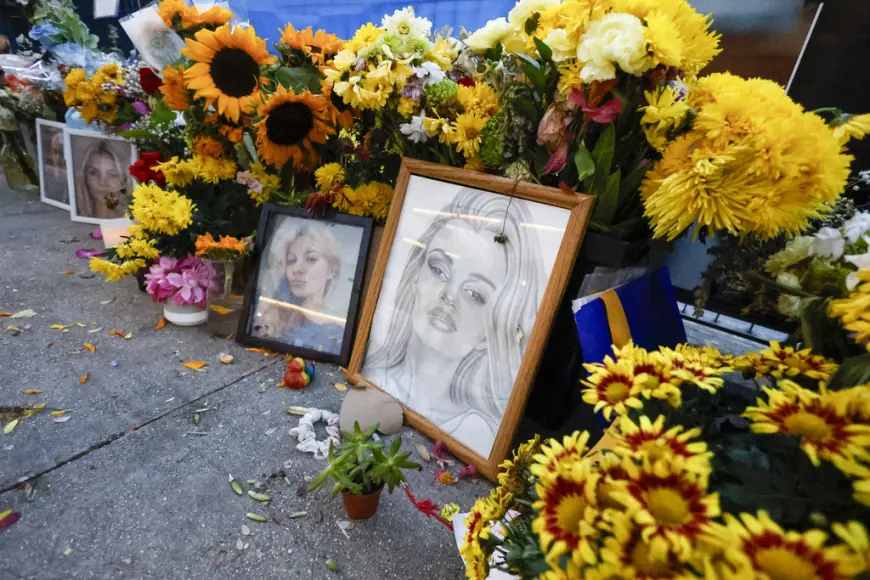
A new mural honoring iryna zarutska now covers the exterior of a Greenville pawn shop, while a separate tribute in Brooklyn was defaced less than two weeks after completion — developments that have renewed debate over memorials tied to a high-profile Charlotte transit killing and raised questions about intent and protection for public art.
Iryna Zarutska mural in Greenville
The portrait of Iryna Zarutska was painted on the outside of Southern Gun & Pawn, owner Shawn Hendrix said, after online pledges funded murals in multiple cities. Hendrix said two figures who pledged money arranged for a Russian artist known as SAV 45 to fly from Spain and spend four days spray painting the piece; Hendrix said the artist was paid $10, 000 for the trip and work. Hendrix described the mural’s message as a clear statement about public safety on transit and said he was deeply moved when he first saw it.
Hendrix linked his business’s inclusion in the mural project to a working relationship with one of the donors during a hurricane response, and said the story behind the mural was one he felt the community could support. He said, “You should be able to sit on a train and not worry about getting murdered, ” and that seeing footage of the killing had affected him personally.
Brooklyn tribute vandalized within weeks
A separate mural honoring Iryna Zarutska in Brooklyn was defaced shortly after its completion. The vandalism included spray-painted tags and a phrase instructing others to damage the artwork. The Brooklyn tribute had been up for less than two weeks before the damage was discovered.
Those behind the Brooklyn piece had presented it as a public memorial to a Ukrainian woman whose life ended in a violent attack on a commuter train. The vandalism has drawn attention to the vulnerability of outdoor memorials and to the strong emotions such public tributes can provoke.
Reactions, funding and legal fallout
Local college students expressed mixed views of the Greenville installation. Some questioned whether the mural was a genuine tribute or part of a broader agenda tied to the donors; one student said he believed the donors were exploiting a tragedy to push a narrative, while another student defended the spending of donated funds and framed the mural as a response to a real loss of life.
Separately, the violent killing that prompted the tributes has had legal and legislative consequences. A grand jury indicted the man accused of the killing on first-degree murder charges, and court filings show he is being held without bond and has been ordered for commitment to a regional hospital. State-level action followed: a law bearing the victim’s name was signed to increase checks on criminal releases and to restrict cashless bail for certain violent crimes and repeat offenders.
What to watch next
Observers should watch for whether additional murals appear or whether vandalism of tributes becomes a pattern. If vandalism continues, communities may face pressure to add security measures around public memorials or to locate tributes in protected spaces. Legal proceedings in the murder case and implementation details of the new bail-related law will also be relevant to public debate and local policy decisions.
Uncertainties remain about motivations behind both the installations and the acts of vandalism; where intent is not publicly confirmed, accounts have described differing interpretations from supporters and critics. The murals, their funding, and reactions to them are likely to remain part of the local conversation as the criminal case and legislative rollout proceed.