
























Why You Might Skip the People's State Of The Union Address

A prominent commentator has urged Americans not to tune in to the people's state of the union address, arguing that the speech will mostly replay familiar claims and misrepresentations rather than offer new information worth watching.
People's State Of The Union Address as a staged performance
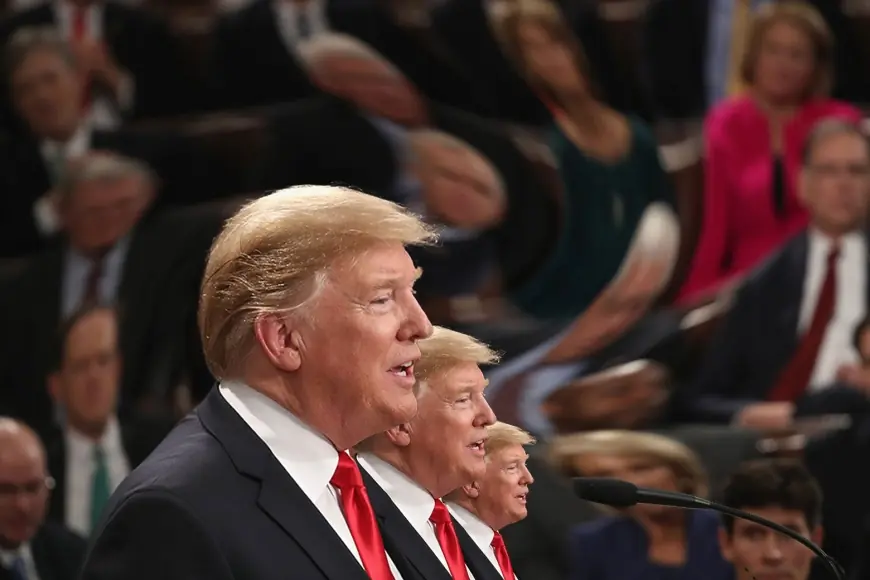
One writer who said they will not watch the speech argued that the event often serves as theatrical projection rather than a straight briefing: the president uses the moment to repeat claims about the economy and foreign policy that critics call familiar and misleading. The same critic noted past State of the Union-style addresses—the 2024 address by another president in early March ran more than an hour and was described with words like "feisty" and "fiery, " even as some in the chamber found portions difficult to follow.
Why some viewers are being asked to look away
The commentator listed concrete grievances: an assertion that the president has misused executive power and the justice department; a claim that more than $1. 5bn in grants to blue states was cut earlier this year; and broad charges that the administration's trade posture produced record-high imports and a record trade deficit in goods while U. S. manufacturers shed more than 80, 000 jobs. The same critic pointed to ongoing inflation, a public perception—measured as six out of 10 Americans—that federal agents have gone too far in some cities, and the report of more than 130 Venezuelans killed in operations linked to U. S. actions.
Alternatives and what begins at 9 p. m.
Not everyone is looking away. Some commentators invited readers to gather online and watch together; others framed the evening as a chance to see which version of the president will appear. The address is scheduled to begin at 9 p. m., when the president will make a pitch to voters ahead of the midterms. Observers flagged that past speeches have mixed prepared remarks with ad-libbed moments, and that the ritual still places the speaker before members of Congress, the Chief Justice, and senior military leaders in the chamber.
Those choosing not to watch were urged to consider that many of the claims expected in the address—about the strength of the economy, the winding down of conflicts described as six or eight wars, and other broad achievements—have been repeated frequently outside the chamber. For viewers who do tune in, the chief questions offered by commentators are whether the president will stick to the teleprompter or move into the more ad-libbed, confrontational style seen in earlier public appearances.
Whether people skip the speech or join a watch party, the immediate outcome is simple and scheduled: the president will deliver the address at 9 p. m., and reactions from commentators and lawmakers will follow that evening. For now, critics who called for not watching want the viewership to shrink as a way of denying the speech a bigger audience; supporters of communal viewing plan to gather and respond in real time.