
























Scottish ministers refuse Flamingo Land plans for Loch Lomond

The Scottish Government has refused planning permission in principle for the Lomond Banks proposal, ending a long-running and often bitter debate over the flamingo land plans on the banks of Loch Lomond. Ministers said the decision rested on flood risk, woodland loss and wider policy conflicts, despite recognising the scheme’s potential socio-economic benefits.
Ministers cite flood risk, woodland loss and wider policy conflicts
Ministers described their decision as a "finely balanced decision" and said they had dismissed the appeal and refused planning permission in principle for the Lomond Banks development because of "flood risk, woodland loss and wider policy conflicts. " The government accepted that the proposal carried "significant socio-economic benefits associated with the proposed development, " but concluded that the combined concerns meant the proposal "does not comply with the development plan overall. " The government also said there was uncertainty about the permanent loss of ancient woodland and the adequacy of compensatory planting, alongside unresolved flood risks.
Flamingo Land and Lomond Banks’ resort design for Balloch
Through Lomond Banks, the Yorkshire-based theme park operator Flamingo Land proposed a major leisure development at Balloch, West Dunbartonshire that included two hotels, more than 100 holiday lodges, a waterpark, a monorail and parking for more than 300 cars. Documents associated with the proposals projected more than 250 extra cars per hour on local roads at peak times. The overall package was described by developers as delivering regeneration and long-term economic benefits to one of Scotland’s most disadvantaged communities.
A tangled timeline of rejections, withdrawals and a recalled decision
The proposal has a long history: Flamingo Land first submitted plans in 2018 and then withdrew them the following year after a wave of negative reaction. Revised plans were later submitted in 2020 and were unanimously rejected by the Loch Lomond and the Trossachs park authority after the authority’s board found the scheme conflicted with regional and national environmental policies. The park authority initially rejected the plan in September 2024, and the Scottish Government later overturned that decision after an appeal before recalling the plans because of the development’s impact on the local area. Ministers also "called in" the plans in June (unclear in the provided context whether that reference is to June last year or to June 2025). A Scottish Government reporter had at one stage approved planning permission in principle and placed 49 conditions on the developer, requiring the developer to reach an agreement with the authority before construction could start.
Campaigners, community opposition and the scale of objections
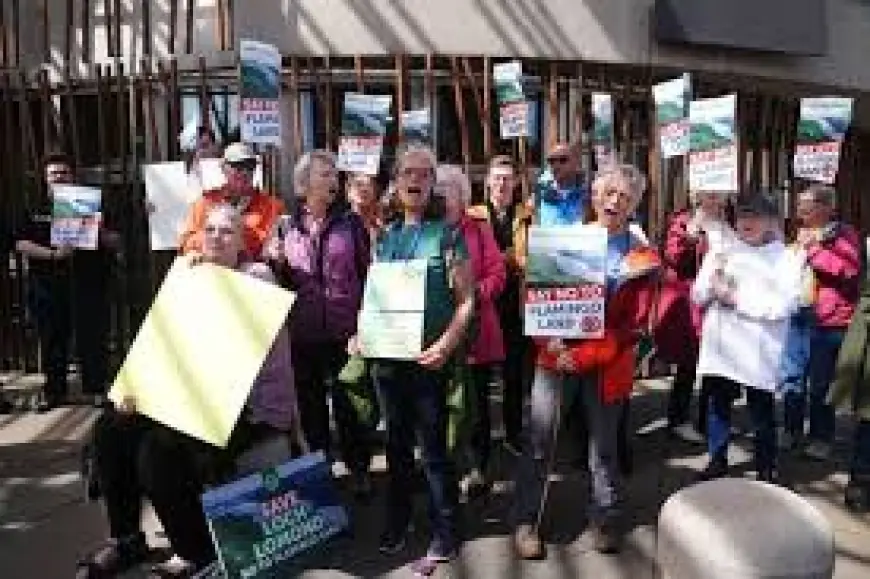
The development prompted sustained local and national opposition. Environmental agencies and conservation groups including the Scottish Environmental Protection Agency, the Woodland Trust and the National Trust for Scotland voiced concerns, and campaigners warned of an irreversible loss of ancient woodland. The Scottish Greens’ co-leader Ross Greer led a major campaign against the plans and called the ministers' decision "a huge victory for the local community, " saying the community had repeatedly opposed the proposals and urging the developer to "walk away. " Campaign activity included a large petition: one account notes over 150, 000 people objected, while another reports 155, 000 people joined objections to the scheme. Opponents also highlighted local road impacts, saying Flamingo Land’s own documents projected substantial extra traffic and that the A82 would not be able to cope.
Developer reaction and possible next steps
Lomond Banks described the ministers' refusal as "bad news for Scottish business and tourism" and said it remained confident matters such as flood-risk modelling and the impact on ancient woodland could be addressed. Jim Paterson, development director for Lomond Banks, said he was "extremely disappointed, " argued the project would have delivered significant employment and local supply-chain opportunities, and said the decision ignored the reporter’s recommendation to approve subject to conditions. The government’s refusal, while described as final by ministers, could nonetheless be challenged in the Court of Session.