





Jonte Richardson: jonte richardson unclear in the provided context in Bafta N-word row

jonte richardson is not referenced in the material supplied and any link to the Bafta N-word controversy is unclear in the provided context. The events described here set out the full sequence of what happened at the ceremony, the broadcast and editing choices, the statements made by senior figures, and the reactions that followed.
What unfolded in the auditorium
Tourette’s campaigner John Davidson, described in the programme as John Davidson MBE, was in the audience and was introduced by the floor manager with a warning that: “John has Tourette’s Syndrome so please be aware you might hear some involuntary noises or movements during the ceremony. ” Davidson, the subject of the film I Swear, produced a number of involuntary outbursts during the event.
Those outbursts included the phrases “shut the fuck up” being shouted during an introductory speech from Bafta chair Sara Putt, and “fuck you” when the directors of Boong accepted the award for best children’s and family film. At another moment inside the auditorium, Davidson shouted the N-word while US actors Michael B Jordan and Delroy Lindo were on stage presenting the award for best visual effects to Avatar: Fire and Ash.
Alan Cumming’s on-stage remarks
Host Alan Cumming addressed the audience during the broadcast. He said: “You may have noticed some strong language in the background. This can be part of how Tourette’s syndrome shows up for some people as the film explores that experience. ” He added: “Thanks for your understanding and helping create a respectful space for everyone. ” Later in the ceremony he stated: “Tourette’s Syndrome is a disability and the tics you’ve heard tonight are involuntary, which means the person who has Tourette’s Syndrome has no control over their language. We apologize if you are offended tonight. ”
Broadcast timing and edits
The ceremony started at 17: 00 GMT, two hours before the television broadcast began. The event was shown on One on a two-hour delay, with producers editing the show's length to fit its two-hour broadcast slot. The broadcast concluded at 21: 00 GMT and the recorded ceremony was made available on iPlayer after that broadcast. When the N-word was later found to be audible on iPlayer, it was taken down. The recording was removed from iPlayer at around 11: 30 on Monday morning.
Why the slur was aired in error
content chief Kate Phillips emailed staff, apologising and saying: “We understand how distressing this was. ” Phillips confirmed that “the edit team removed another racial slur from the broadcast, ” but said the slur shouted when Lindo and Jordan were on stage “was aired in error and we would never have knowingly allowed this to be broadcast. ” She explained that the use of the n-word on any television programme is very rare and usually requires sign-off from a channel controller.
Internal understanding was that the producers overseeing the ceremony were working from a TV truck and simply did not hear the slur shouted when Lindo and Jordan were on stage. Davidson was not on mic or on stage at the time.
Responses, requests and fallout
Phillips said: “We take full responsibility for what happened. ” She added: “When I was made aware it was audible on iPlayer, I asked for it to be taken down. ” Labour MP Dawn Butler asked director-general Tim Davie for an “urgent explanation” for what happened, saying the N-word “should never have been aired” and its broadcast was “painful and unforgivable. ” on Monday, Bafta said it acknowledged the “harm this has caused, address what happened and apologise to all. ”
Commentary on the night noted that many people in the auditorium found the shouting indistinct and that the full nature of the abuse became widely known only after clips circulated online. Critics also pointed to other editorial choices made during the ceremony, including the decision to cut the phrase “Free Palestine” from a speech by director Akinola Davies Jr, and to an omission in the In Memoriam sequence of Béla Tarr.
Film connections and awards
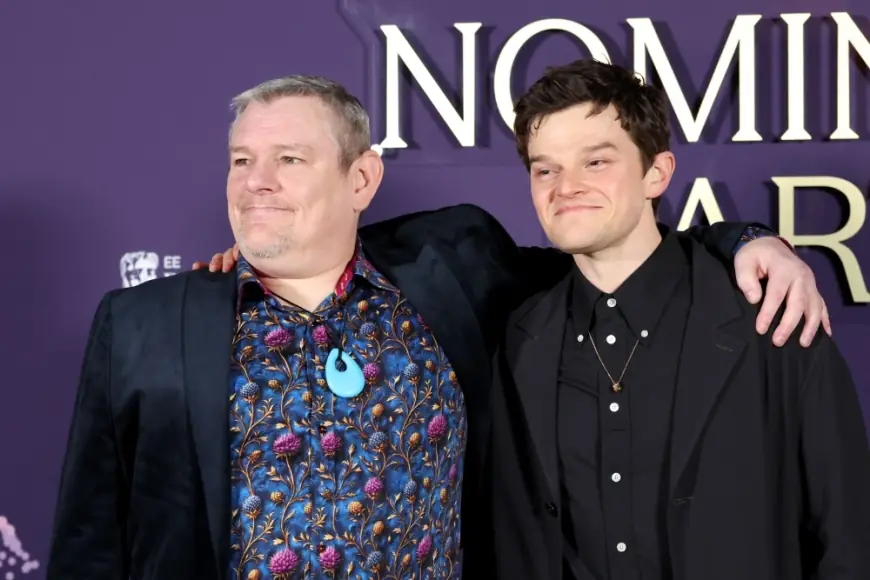
The film I Swear, which features Robert Aramayo portraying John Davidson at age 25 and revisits Davidson’s earlier appearance in the documentary John’s Not Mad, received multiple nominations. The film was directed, written and produced by Kirk Jones and was up for five Baftas, including best leading actor for Aramayo, best supporting actor for his co-star Peter Mullan, best original screenplay and casting (the latter which it won). I Swear was also competing for outstanding British film. Robert Aramayo won the EE Rising Star award; collecting that prize he said: “John Davidson is the most remarkable man I ever met. He’s so forthcoming with education and he believes there should be still so much more we need to learn about Tourette’s. Especially, I just want to say for people who are living with Tourette’s it’”
Jonte Richardson and the record
Jonte Richardson is not mentioned in the supplied material and any connection to the events described is unclear in the provided context. The record above contains the full sequence of named people, quoted remarks, timings, and organisational responses set out in the material supplied.
John Davidson left the ceremony and the outbursts could not be heard in the second half; he appeared to have left of his own accord and was not asked to leave by Bafta. He had been an invited guest and, it was said in the reporting, under no circumstances would he be asked to leave the ceremony. The outbursts were not cut for the broadcast.
This account includes the sequence of events, every named individual, the explicit quotes given in the material, the timings of the ceremony and broadcast, the removal from iPlayer, the parliamentary request for explanation, and Bafta’s apology as presented in the supplied context.