




Maria Julissa Denies Link to El Mencho Operation as Cartel Threat Appears

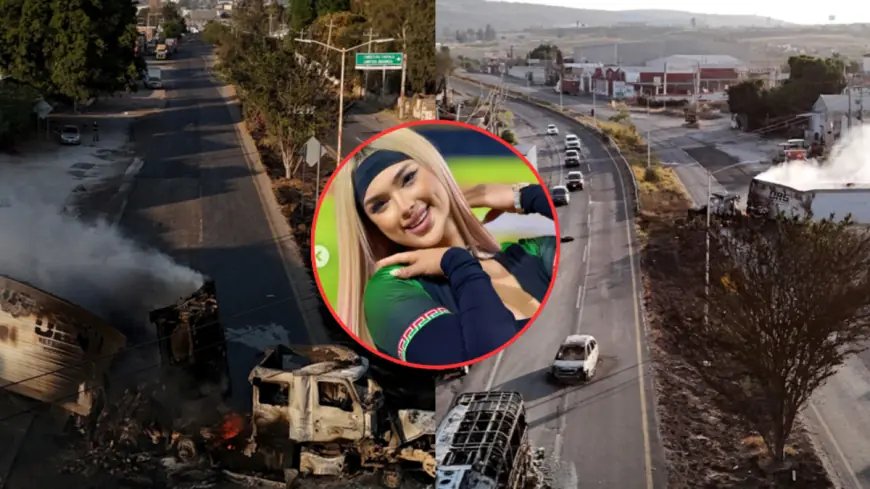
Influencer maria julissa has publicly rejected claims that she helped authorities find Nemesio Oseguera Cervantes, alias "El Mencho, " and has urged followers to report false content after a threatening cartel poster surfaced. The episode matters now because federal authorities have confirmed that tracking a romantic partner led to the leader of the Cártel Jalisco Nueva Generación being located in Tapalpa, Jalisco, and online accusations quickly translated into real-world intimidation.
Maria Julissa: background, reach and recent surge in attention
María Julissa was born in Hermosillo, Sonora on September 12, 2000. She has built a large online following of more than 3 million followers on Instagram and is identified with lifestyle content and a pronounced passion for baseball; her first Instagram photograph shows her practicing the sport. Professionally she has worked as a locutora in the Liga Mexicana de Béisbol, a role that increased her visibility at stadiums and on broadcasts, particularly among fans in northern Mexico. Her name became a social-media trend after posts circulated alleging she was involved in the operation linked to El Mencho’s capture; those posts included screenshots purporting to show Instagram stories in which she celebrated the capo’s fall, but there is no official confirmation backing those claims.
Federal authorities and the Tapalpa, Jalisco lead that located El Mencho
Federal authorities confirmed the decisive lead in locating Nemesio Oseguera Cervantes was the surveillance of one of his romantic partners, a penetration of the inner security circle that revealed the leader’s whereabouts in Tapalpa, Jalisco. The operation combined lethal action by state forces with intelligence work directed at the intimate network around the head of the Cártel Jalisco Nueva Generación. That official finding is central to why social media posts immediately began naming individuals allegedly connected to the tracked partner.
Cartel poster: a direct threat sent after the social-media accusations
After her name circulated on social platforms, a threatening banner appeared that directly referenced the accusations. The poster read: "Mordiste la mano de quien te da de tragar, le mandaste la marina a Chelo porque te robaron tu camioneta. " The presence of the banner and other intimidations prompted concern for her safety and underscored how quickly online allegations can escalate into threats on the ground.
January 2020 Liga Mexicana del Pacífico ban remains part of public record
María Julissa’s public record includes a previous controversy in January 2020, when she was expelled from the Liga Mexicana del Pacífico after an incident at a match between the Yaquis de Obregón and the Venados de Mazatlán in which fans threw beer at visiting players. She denied taking part in the altercation, but the league issued a ban that barred her from stadiums at the time. That episode was widely covered and remains part of the narrative around her relationship with baseball audiences.
Denials, requests to report false posts, and appeals for verification
María Julissa has repeatedly denied any connection to the capture of El Mencho and asked followers to report false content that links her to the case. She wrote that she "no tiene nada que ver con la situación actual en México" and called the circulating information "falsa y carece de fundamento. " Minutes before making formal statements she posted in her Instagram stories that she needed to clarify the allegations and said: "Obviamente yo jamás me metería con ese tema. Soy una persona a la que le gusta llevar mucho la fiesta en paz. " She urged followers to report misleading material and warned that "en internet ahora es muy fácil editar fotos, " suggesting manipulated images could be behind some of the claims. She also thanked those who asked her directly and those who offered genuine support, and emphasized the importance of not falling for fake news and consulting reliable or official sources.
Images connected to the episode circulated with photo credits to AFP and social-media material traced to the handle @mariajulissa13. Coverage timestamps in the material circulated with a publication time of 23. 02. 2026 23: 09 and an update at 24. 02. 2026 00: 13. The broader implication is that verification gaps on social platforms can produce immediate security risks for individuals named in high-profile law-enforcement actions, turning online virality into life-threatening situations.