

Maria Julissa and the El Mencho links: why a viral accusation is reshaping risk for influencers and stadium networks

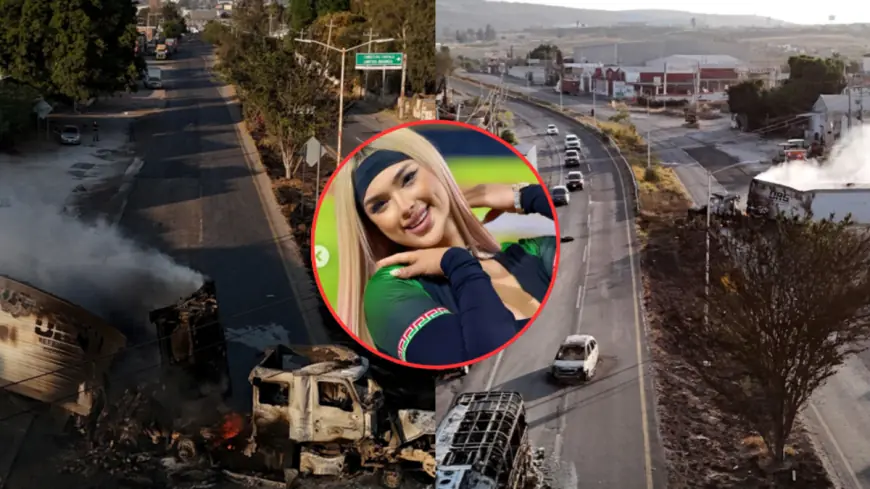
Why this matters now: The name maria julissa has been thrust into a national security story and a social-media storm at once, exposing how quickly unverified posts can endanger reputations and inflame public reactions. The influencer’s denial landed amid confirmation of Nemesio Oseguera Cervantes’s death and a wave of violence tied to that event, putting creators, fans and venue operators in the immediate line of reputational and safety risk.
Who feels the impact first and how
The first consequences fall on three groups: the creator herself, followers and local sports ecosystems. Creators who build identities around public events—here, baseball—can see a sudden spillover from national-security coverage into their feeds. Fans and stadium managers face confusing narratives on social platforms; venues can be affected if controversy drives boycotts or security concerns. Here’s the part that matters for everyday followers: a viral accusation can rapidly mutate into images and messages that appear official but are not.
Event details embedded in the larger ripple
A national-security sequence in recent days culminated with the confirmed death of Nemesio Oseguera Cervantes, known as "El Mencho. " Coverage notes the death prompted a violent criminal response. A morning press conference on February 23 included remarks from General Ricardo Trevilla Trejo, the secretary of the Defense National, who said forces located a "hombre de confianza" linked to the partner of the leader and that contact led them to Nemesio at an "instalación en Tapalpa. " The partner left the location the following day and the operation that followed resulted in his death. Social posts then circulated tying an influencer to that chain of events, sparking the online trend that focused on maria julissa.
Maria Julissa: the public profile and prior controversies
Maria Julissa is an influencer from Hermosillo, Sonora, born on 12 September 2000, whose public persona is closely tied to baseball. She has worked as a locutora in the Liga Mexicana de Béisbol and built visibility through appearances at stadiums and sports transmissions, growing a following that coverage lists at figures such as more than 3 million in some mentions and 3. 5 million in others. She also operates an alternate account called "Barbie Beisbolera" and commonly posts about baseball, cars and lifestyle. Her online history includes a notable episode in January 2020: after beer was thrown during a game between Yaquis de Obregón and Venados de Mazatlán, she denied involvement but was expelled and vetoed from stadiums by the Liga Mexicana del Pacífico.
Images, AI claims and denials that kept spreading
In the hours after the security operation, photographs circulated that showed the influencer hugging a man identified as El Mencho in a discoteca, and at least one image depicting her wearing a bulletproof vest with the initials CJNG. Maria Julissa pushed back publicly: she shared a video message and a written communique insisting she has no link to the narcotrafficker and asking followers to report the posts that connect her to the case. She said "Yo jamás me metería con ese tema" in a video and warned that "En internet es muy fácil editar fotos, editar cosas. Todo lo que están compartiendo es falso. " False posts also claimed the government confirmed the capture happened thanks to following maria julissa and accused her of money laundering; she rejected those claims and urged people not to circulate them.
Immediate ripple: violence, reputations and what could follow
Violence linked to the death of El Mencho has already been noted as a direct reaction to the operation; at the same time, the influencer controversy has amplified reputational fallout. If you’re wondering why this keeps coming up: posts that mix manipulated imagery, screenshots and partial timelines can create durable false impressions faster than corrections travel. The real test will be whether further official clarifications emerge and whether platform moderation removes the fabricated media being shared.
What’s easy to miss is how prior incidents — like the 2020 stadium veto — can make a public figure more vulnerable to resurfaced allegations, even when unrelated.
- Feb 23: A morning press briefing referenced a trust contact tied to the partner of Nemesio Oseguera Cervantes and an "instalación en Tapalpa. " A day later, the partner left the site and an operation led to his death.
- January 2020: The influencer was expelled and vetoed from stadiums after the beer-throw incident at a Yaquis de Obregón vs Venados de Mazatlán game; she denied involvement.
- Recent days: Images and posts circulated linking the influencer to El Mencho; she denied the links publicly and requested that followers report the material.
Key takeaways:
- AI and image-editing claims are central to the viral material: at least one image was described by the influencer as AI-created and she highlighted ease of editing online.
- Public statements in a Feb 23 briefing named a "hombre de confianza" and an "instalación en Tapalpa" as elements in the localization that preceded the operation.
- The influencer has a documented history of stadium involvement and past disciplinary action, which contributes to how quickly allegations spread.
- Immediate actions that could alter the story: removal of fabricated images, clear official clarifications about who was followed in the operation, and reduced circulation of the posts the influencer has asked to be reported.
The influencer has reiterated in a written communique that she has nothing to do with the situation and that the circulating information is false and harmful. Recent updates indicate details may continue to evolve as platforms and authorities react, and followers have been asked to consult official channels rather than reshared claims.