



How the Baftas broadcast error landed studios, stars and viewers in an awkward spotlight — Jonte Richardson

The immediate fallout hit presenters, the studio behind Sinners, and audiences who expected a cleaned telecast — and the reverberations included an AI prompt apology from Google. Jonte Richardson appears here purely as an editorial keyword; the concrete effects were felt first by Michael B Jordan and Delroy Lindo on stage, Warner Bros executives who raised concerns, and the broadcaster that had promised an edit window during its two-hour delayed transmission.
Who was affected first and how the moment spread
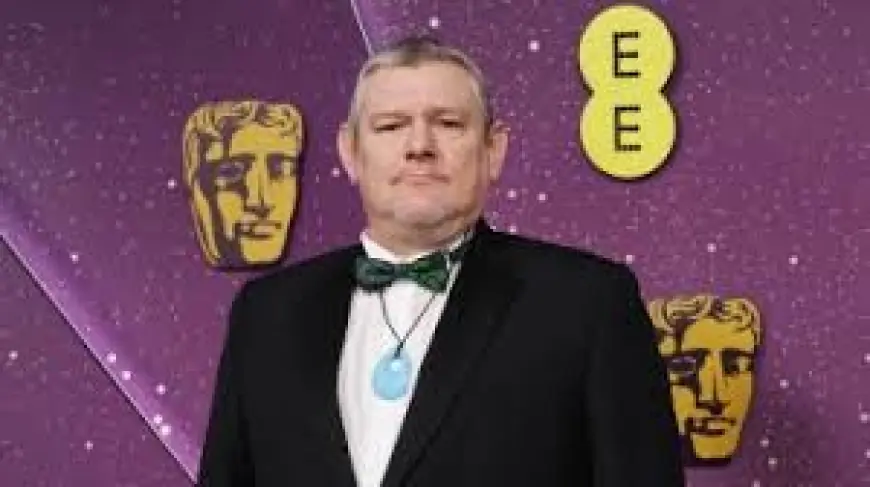
Warner Bros reacted immediately after an involuntary shout of the N-word while two of the black stars of their film Sinners were on stage, but the studio’s request for the word to be removed from the telecast was not reflected in the broadcast. The shout came from Tourette syndrome campaigner John Davidson during the presentation for best visual effects by Michael B Jordan and Delroy Lindo. The moment was audible in the TV transmission, even if many viewers would have struggled to make out the word, and a judge later quit over what was called the ceremony’s handling of the incident.
Jonte Richardson: how that edit request was handled
Executives at Warner Bros say they raised the issue with Bafta immediately and were assured the slur would be removed before the delayed One broadcast. The studio — which is behind Sinners and the night’s big winner One Battle After Another — remained in close contact with Bafta throughout the evening and met with Bafta representatives the following morning. Bafta said it would pass the request to the broadcaster.
What the broadcaster and production teams have said and done
Producers overseeing the coverage did not hear the shout because they were working from a TV truck, and the person responsible for the outburst was not on mic or on stage at the time. The broadcaster issued an apology for the editing oversight and later uploaded an edited version of the ceremony; it also said it would not add anything further beyond that apology. The content chief emailed staff to reiterate the apology, confirmed that other instances of offensive language had been removed, and described the aired shout as an error that would never have been knowingly permitted. The ceremony had started at 17: 00 GMT — two hours before the televised transmission — and the delayed slot and edit window were cited as reasons the broadcast should have allowed removal of inappropriate content.
External reactions and digital missteps
Google apologised after an AI-generated prompt accompanying a link to coverage invited users to “See more on” the N-word; the offensive notification was removed and it was working to prevent a repeat. Questions were raised about why editors missed the visible and immediate reaction in the room and on social media to John Davidson’s involuntary yell, especially given other offensive instances had been cut from the broadcast.
Aftermath: apologies, removals and public pressure
- Bafta took full responsibility for placing guests in a difficult situation and apologised to all; it offered an unreserved apology to Michael B Jordan and Delroy Lindo and thanked them for their dignity and professionalism.
- A judge resigned over the ceremony’s handling, describing it as utterly unforgivable.
- The televised show was made available on iPlayer after broadcast concluded at 21: 00 GMT and was removed from iPlayer at around 11: 30 on Monday morning.
- Labour MP Dawn Butler asked the director-general Tim Davie for an urgent explanation, describing the broadcast of the word as painful and unforgivable.
Here’s the part that matters: the two-hour delay is intended to give the broadcaster time to remove inappropriate content, especially for pre-watershed transmission, but that editing buffer failed in this case. The real question now is how producers, hosts and organisers will change processes when attendees were pre-warned about possible involuntary verbal tics and the host Alan Cumming addressed the issue during the broadcast.
It’s easy to overlook, but the incident combined live-room reaction, delayed transmission, editorial workflows outside the main control room, and an automated digital prompt — each a separate failure point that converged on the same visible lapse.
- 17: 00 GMT — ceremony began in real time.
- 19: 00 GMT — televised broadcast began, on a two-hour delay to allow editing.
- 21: 00 GMT — broadcast concluded and the ceremony was later removed from the on-demand service at around 11: 30 the next morning.
Key takeaways:
- Studio executives raised the issue with Bafta immediately after the incident.
- Warner Bros met Bafta the next morning and had been in close contact throughout the evening.
- Producers working from a TV truck did not hear the shout; the person who shouted was not on mic or on stage.
- Google removed an AI-generated notification and apologised for the offensive prompt.
What remains unclear in the provided context is whether new, specific editorial safeguards have been agreed between the studio, Bafta and the broadcaster beyond the apologies and meetings described. Recent updates indicate multiple apologies and digital removals, but details of policy changes may evolve.
What’s easy to miss is that the ceremony included advance warnings to attendees about involuntary tics associated with Tourette syndrome, and the host addressed this on air — yet that did not prevent the upset caused by the audible moment.