





















Martin Lewis storms Good Morning Britain to confront Kemi Badenoch over student loans plan

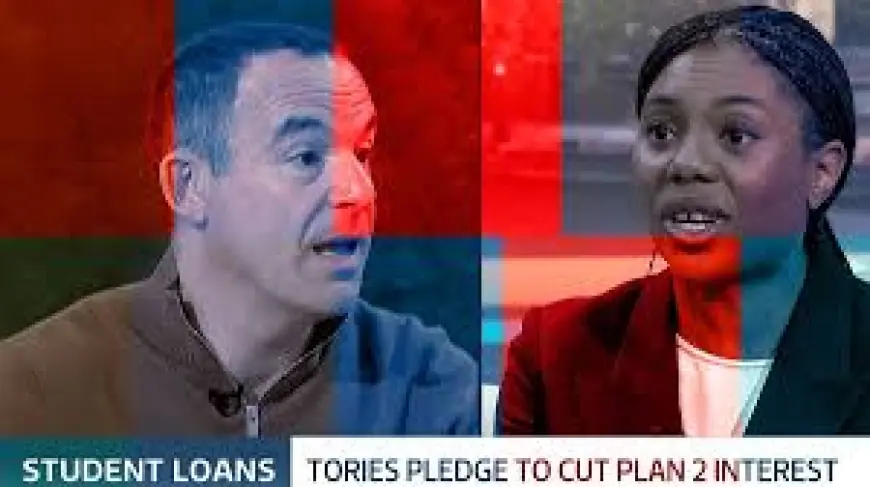
Finance campaigner martin lewis marched onto the Good Morning Britain set and interrupted an ITV interview with Conservative leader Kemi Badenoch to challenge her party’s student loan proposals. The confrontation, which included on-air shouting, a later apology and a requested meeting, has focused attention on changes to plan 2 loans for those who began courses between 2012 and 2022.
Martin Lewis interrupts Good Morning Britain interview
Ed Balls had been interviewing Kemi Badenoch on Good Morning Britain when the exchange escalated. Balls challenged Badenoch over whether the Conservative plan would primarily benefit former students in the highest-paying jobs. Badenoch denied that was the case; Balls insisted, "It's definitely right. " At that point martin lewis began shouting from off-set, walked into shot, sided with Balls and ended up sitting on the sofa, telling Badenoch he completely disagreed with the approach.
Kemi Badenoch defends Conservative student loan plan
Badenoch repeatedly insisted the changes would help "everybody, " adding: "I'm the first person who's even trying to solve this problem. " The plan she outlined overnight would scrap any above-inflation interest rate increases on so-called plan 2 student loans in England for people who started courses from 2012 to 2022. Badenoch framed the overhaul as a solution to the problem, and said the Conservative party was acting to fix it.
Details of the plan 2 proposal and its funding
The change would be financed by cutting tens of thousands of university courses deemed not to provide "value for money" to students. The shadow education secretary, Laura Trott, suggested that could include creative arts courses. The proposal’s design — halting above-inflation interest increases on plan 2 loans for the 2012–2022 cohort — prompted immediate scrutiny over who would benefit and who would not.
Martin Lewis’s critique and concrete counterproposal
Lewis told Badenoch the system needed change but argued this was the wrong plan. He said: "If you want to help the middle-earning students, the most important thing is the repayment threshold should have been increased. " He warned that "lowering the interest rate now will only help those who can clear [the debt] within the 30 years, which means lower and middle earning graduates won't benefit from that change. " Lewis added a fiscal comparison: "If you have £1bn to help students, the most direct thing that would help all students would be not freezing the repayment threshold. " He also noted that "When the Conservative government brought it in in 2012 I said we shouldn't have above-inflation interest rates. "
Aftermath: apology, meeting request and public trust
Lewis later issued an apology for interrupting live television, saying Badenoch had handled the situation "far better than I would have the other way round. " He posted on X: "I have asked my office to request a meeting, if you are available, to discuss this more calmly. " Badenoch replied directly: "Hi MartinSLewis, thank you. I really appreciate that, and honestly, don't worry. I do love a feisty debate!" Polling note mentioned during the exchange said Lewis, who styles himself as a money-saving expert, is heavily trusted by much of the public on personal finance matters.
A later headline described Lewis as being "in debt to Kemi Badenoch" after gatecrashing her interview; the phrase appears in public coverage of the episode. There is increasing political consensus that the current system, unclear in the provided context.
The cause-and-effect of the on-air interruption is straightforward: Lewis publicly objected to the Conservative measures because he judged them to favour graduates able to repay within 30 years, and his intervention prompted both an apology and a formal request to meet. What makes this notable is the combination of live television theatre and detailed numeric claims — the 2012–2022 eligibility window, the 30-year repayment horizon and the cited £1bn trade-off — which concentrate debate on which reforms would produce the broadest benefit for graduates.