











Leann Rimes' Coyote Ugly Re‑Creation Gives Suburban Millennial Moms a Collective Throwback Moment

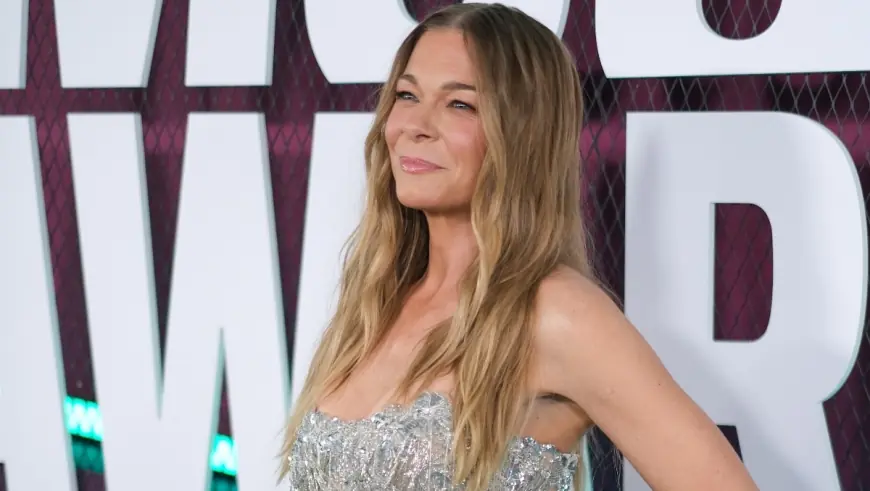
For many suburban millennial moms, leann rimes's latest Instagram clip landed like a private pop‑culture time capsule — an easily shareable reminder of early‑2000s movie nights, first concerts and the small rituals that shape memory. This matters now because the post turns a brief on‑set hangout into a cultural nudge: a chance for viewers juggling family life to reclaim a short burst of performative fun and nostalgia in their feeds.
Leann Rimes turned a TV break into a nostalgia moment that landed with a specific audience
The ripple here isn't just that a star danced on a bar; it's who felt that ripple most sharply. Suburban millennial moms — the demographic that made the original film a shared cultural reference — are primed to receive this as a charming return to a familiar soundtrack, look and attitude. Here’s the part that matters: the clip functions less like promotional content and more like a communal wink at an era many of those viewers remember from high school or early adulthood.
What’s easy to miss is how brief, casual moments like this reframe celebrity content into private shared memories for specific groups. That quiet shift changes engagement: likes and comments often act as shorthand for personal stories rather than simple fandom.
What the video showed and how it echoed the 2000 film
The posted clip features Leann Rimes dancing on the bartop at a Nashville Coyote Ugly location alongside several castmates from her series. The group moved to the film’s signature song, "Can't Fight the Moonlight, " and Rimes echoed a memorable line from the movie in her caption while playfully referencing an emergency number. She wore flared denim jeans and a tiny crop top that highlighted her toned arms and midriff. Cast members who appear with her include Juani Feliz, Kimberly Williams‑Paisley, Jessica Capshaw, Mackenzie Porter and Hailey Kilgore, and Rimes thanked the bar and the women who taught them some of the moves.
Embedded timeline: 2000 — the film that popularized the bartop duet and the song; 26 years later — the cast reassembled the moment in Nashville, turning a short on‑set break into a deliberate nod to that earlier scene. The original cameo connection is part of why this particular reenactment landed for viewers: Rimes first appeared in the film as a teenager, and that history gives the clip an extra layer of continuity for longtime fans.
- Short‑term effect: Renewed social media engagement around a familiar song and image that spurs memory‑based reactions.
- Stakeholders reacting: viewers with early‑2000s cultural touchstones, current fans of the television cast, and local venues that host viral moments.
- Next signals to follow: additional behind‑the‑scenes posts or cast interactions that extend the nostalgic thread and invite more viewer participation.
- Production note: this was a casual, in‑between filming moment rather than a staged promotional shoot, which explains the relaxed tone of the footage.
If you’re wondering why this keeps coming up in feeds, it’s because nostalgia is a low‑friction way for busy audiences to reconnect with pleasurable past experiences — and the internet amplifies those micro‑moments into shared conversations.
Key takeaways:
- The clip repurposes an early‑2000s cultural touchstone for a modern, social‑media audience.
- It resonates strongly with suburban millennial moms who lived through the original moment and now consume celebrity content differently — often through short, sharable bursts.
- Casual, unscripted posts from TV casts can produce more genuine engagement than formal promotions, especially when they tap nostalgia.
- Further posts from the cast or venue would confirm whether this will be a single playful callback or the start of a recurring theme on set.
The real question now is whether more producers and cast members will treat informal on‑set gatherings as intentional moments to reconnect with established fan memories; if they do, expect to see more short clips that double as tiny nostalgia campaigns.
It’s easy to overlook, but these short videos act as cultural signposts for specific, emotionally primed groups — and that makes them powerful despite their brevity.