























Travel Ban Massachusetts: Healey Restricts Driving as Boston Scrambles with 1,000 Workers and 900 Vehicles

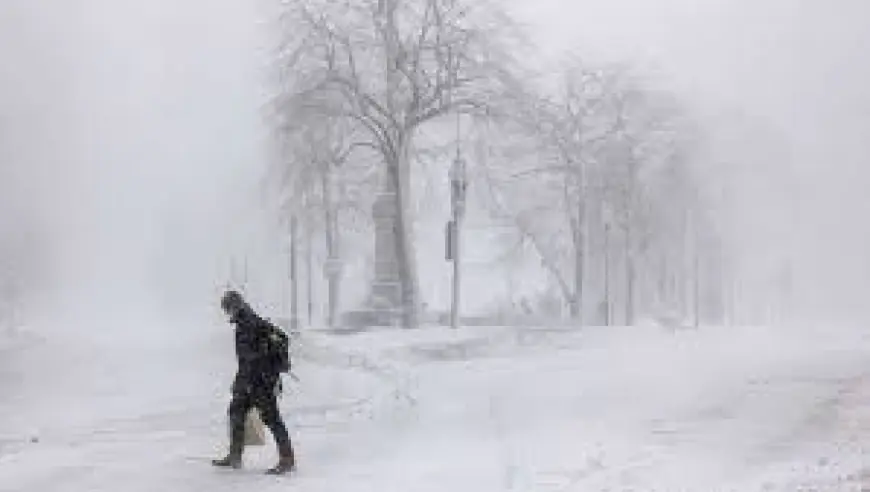
The nor’easter that barreled through New England on Monday prompted a travel ban massachusetts and widespread shutdowns, forcing officials and residents to begin a large-scale dig-out operation. The move matters now because hundreds of crews and mutual-aid requests are already in motion to clear more than two — and even three — feet of snow in parts of the state and region.
Travel Ban Massachusetts extends to islands and counties
Governor Maura Healey banned all non-essential driving on Martha’s Vineyard and in Bristol, Plymouth, and Barnstable counties, measures that officials described as necessary after the storm shut down streets, schools, and businesses. Healey said Monday she had made requests to surrounding states — Vermont, New Hampshire, and New York — for equipment so “we can dig out sooner and get back to business. ” She added, “What communities are asking for is... help with clearing snow. ”
Boston mobilizes 1, 000 workers and 900 pieces of equipment
Nick Gove, Boston’s interim chief of streets, said the city deployed roughly 1, 000 workers and 900 pieces of equipment, including snow spreaders and plows, to keep streets open for first responders and MBTA buses throughout the storm. The city had more front-end loaders and diggers actively removing snow piles before the storm ended than it did during last month’s major event.
Boston’s 14 snow farms and shifting priorities
Gove said the city now operates 14 snow farms where crews are taking and melting removed snow, but he warned that removal efforts would likely stretch throughout the week with more snow expected before Friday. On Tuesday, crews will shift focus to clearing parking lots and areas around Boston Public Schools buildings, which remain closed Tuesday, and to removing snow banks in bike lanes, crosswalks, and curbs.
Michelle Wu asks for patience after earlier complaints
Mayor Michelle Wu and other city officials faced criticism earlier this month after large snow piles blocked sidewalks and covered curbs at major intersections for weeks following a late January storm. Wu asked residents Monday evening for patience, saying: “This storm combined a lot of heavy snow with incredibly high wind speeds, which means it will take us a little bit to dig out. ” She emphasized that safety is the top priority and that officials want to get the city back up and running and schools reopened as quickly as possible, adding, “We’re a New England city. We know how to do this. ”
New Bedford and Mayor Jon Mitchell’s requests for aid
In New Bedford, Jonathan Darling, spokesperson for Mayor Jon Mitchell, said the city focused Monday on clearing primary roadways. Mitchell requested assistance from the state’s National Guard and the Department of Transportation to get more equipment for snow removal; Darling said Monday that it appeared the city would get some dump. The county restrictions include New Bedford and nearby Fall River, reflecting how widely the travel limits were applied.
Practical effects of the bans and clearance strategy
Boston officials implemented a parking ban beginning Sunday afternoon — hours before the first major snow began falling — and extended it until 6 p. m. on Tuesday to help speed snow-removal efforts. Gove acknowledged residents’ frustration after the prior storm and said the city is trying to avoid storing as much snow at intersections, where piled snow had been creating problems for pedestrians and crosswalks. He warned, however, that there would still be “some pretty significant snow banks on the side streets until we get a melt. ”
The storm’s immediate effect — shutting schools, blocking businesses and mandating restrictions on movement — set off a cascade of operational responses: preemptive parking bans to clear lanes, large-scale equipment deployments, requests for mutual aid across three neighboring states, and appeals for National Guard and transportation agency support. What makes this notable is how officials combined anticipatory measures with calls for outside equipment to try to shorten the period of disruption while crews work through multiple priorities over the coming days.