

























Time Change arrives March 8 — when to spring forward and how to rethink your coffee

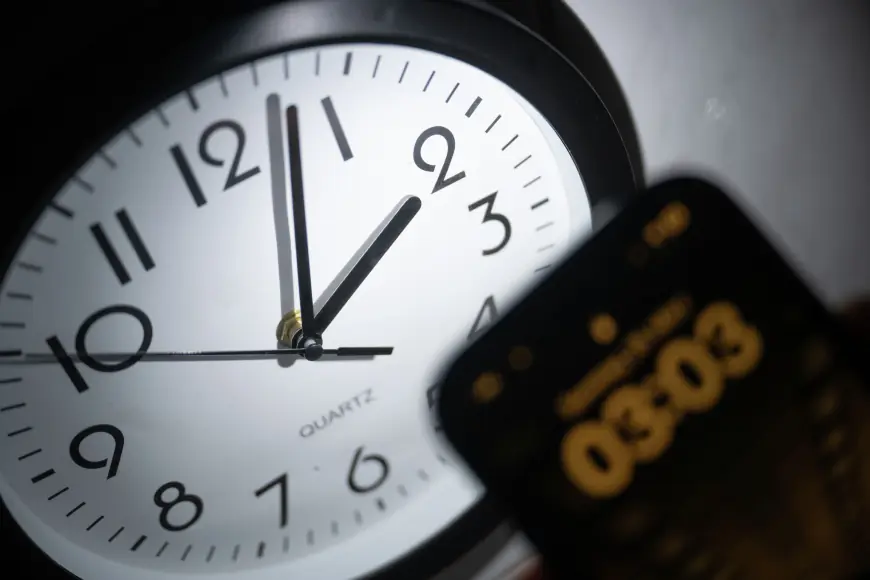
Daylight saving time begins at 2 a. m. ET on Sunday, March 8, 2026, when clocks jump forward from 2 a. m. to 3 a. m., and that time change is a practical moment to rethink when you drink coffee.
Time Change and your morning coffee
The one-hour jump at 2 a. m. on March 8, 2026 means many people will wake up feeling an hour shorter of sleep and reach for caffeine earlier than usual, a pattern Major Cohen, Coffee Education at Cumulus Coffee, says often throws daily routines off. Cohen noted that in the first few days of the spring shift, people “wake up feeling less rested and more in need of a caffeine boost. ”
He and other experts in the conversation recommend small adjustments rather than a hard reset: shifting coffee timing earlier or later by 15 to 30 minutes over several days to match the new clock. Cohen also warned that caffeine can affect the circadian rhythm; tests cited show that having coffee three hours before bedtime can push sleep timing back by as much as 40 minutes, which interacts with the one-hour DST adjustment.
What to set and when
Most smartphones, computers and other connected devices will update automatically when clocks jump from 2 a. m. to 3 a. m. ET on March 8, 2026, but non-smart devices such as microwaves, older car radios and analog wall clocks need manual changes. Hawaii and most of Arizona do not observe daylight saving time, and several U. S. territories also stay on standard time, so residents there will not change clocks on that date.
Practical tips drawn from the discussion: if you notice increased anxiety or jitteriness when you consume coffee earlier or later than your usual time after the shift, consider nudging your first cup by 15 to 30 minutes. Cohen suggested delaying the first cup to allow morning cortisol levels to rise and to encourage hydration with water before caffeine, a choice that some find helps balance wakefulness after the spring shift.
Why the clocks still change
The twice-yearly clock change remains in place nationwide because Congress has not passed a permanent alternative. The U. S. Senate unanimously passed the Sunshine Protection Act in 2022, but the House did not take it up; the bill resurfaced in 2025 and again failed to advance. Political figures have voiced different views: in December 2024, then-President-elect Donald Trump said he wanted to eliminate daylight saving time and move to year-round standard time, a stance he reiterated in April 2025, while Sen. Tom Cotton, R-Ark., argued in October 2025 that permanent daylight saving time could deprive Americans of morning sunlight.
Until legislation changes that status, the routine returns each spring and fall. Daylight saving time will end at 2 a. m. on Sunday, Nov. 1, 2026, when clocks move back one hour, giving most people an extra hour of sleep and shifting sunrise and sunset about an hour earlier beginning Nov. 1.
For now, set or check any manual clocks before you go to bed on Saturday night, March 7, 2026, and consider small, staged shifts to your coffee routine over the days surrounding the switch to ease the adjustment to the new schedule.