



















Is Cancun Safe Right Now? Risk and Uncertainty After Embassy Alert, Airport Chaos and Mosquito-Borne Disease Signals

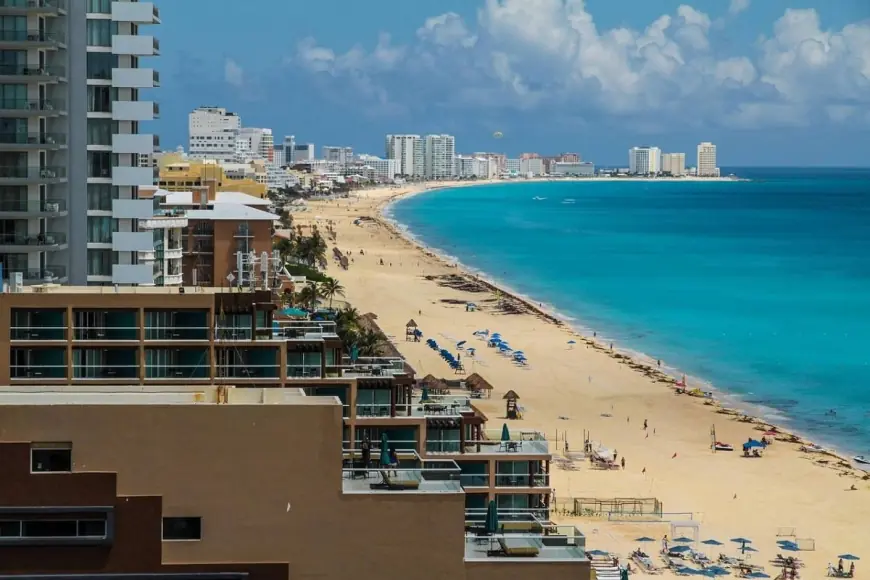
With just a few weeks until Spring Break 2026, many travelers are asking is cancun safe right now — and the short answer is: uncertainty. A U. S. Embassy shelter-in-place update and airport disruptions on Feb. 22–23 have intersected with ongoing mosquito-borne disease activity, creating layered risks that affect travelers and local services in Quintana Roo and beyond.
Risk and uncertainty: is cancun safe right now for travelers and staff
Heightened criminal activity, road blockages and security operations have produced immediate operational and personal risks across multiple Mexican states. The U. S. Embassy issued an updated security alert on Feb. 22, 2026, urging American citizens in Quintana Roo — including Cancun, Cozumel, Playa del Carmen and Tulum — to shelter in place until further notice. The State Department maintains a Level 2 travel advisory for Quintana Roo: Exercise Increased Caution, citing civil unrest risks. U. S. government staff in several Mexican cities have been directed to shelter in place and work remotely, and some staff face curfews on intercity travel and restrictions on movement after dark.
What happened at airports and how operations are holding
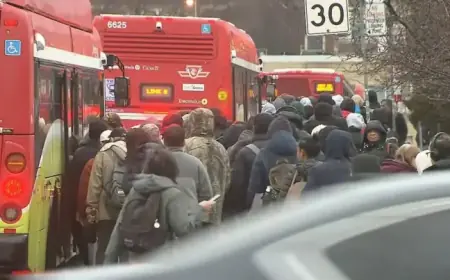
On Feb. 23, 2026, Cancún International Airport (CUN) experienced significant disruptions: dozens of flights were delayed or canceled and hundreds of travelers were left stranded amid a reinforced security presence. Airport officials confirmed CUN remains operational with no reported closures. Disruptions are linked to road blockages and criminal activity that have complicated crew movements and airline logistics.
Flight totals, affected hubs and carrier impacts
Across two major hubs, a combined total of 62 delays and 29 cancellations were recorded. Cancún accounted for 40 delays and 23 cancellations, while Mexico City’s Benito Juárez International Airport recorded 22 delays and 6 cancellations. Multiple carriers were affected: Aeroméxico logged three cancellations and 10 delays; American Airlines showed one cancellation and two delays; Volaris had six delays; Avianca and Delta recorded delays as well. Passengers reported long queues, extended waits and confusion as airlines reorganized schedules; for travelers with tight connections, delays of several hours can lead to missed tours, lost hotel bookings and unexpected expenses.
Security context beyond Cancun
The shelter-in-place guidance covered widespread areas beyond Quintana Roo, including Jalisco (Puerto Vallarta, Chapala, Guadalajara), Baja California (Tijuana, Tecate, Ensenada), Nayarit (Nuevo Nayarit/Nuevo Vallarta), Sinaloa (Mazatlan) and areas of Colima, Guanajuato, Guerrero, Estado de México, Michoacán, Nuevo León, Oaxaca, Puebla, Querétaro, San Luis Potosí, Tamaulipas, Veracruz and Zacatecas. The disruptions followed a major security operation in Jalisco that resulted in the death of a high-profile cartel leader in Tapalpa, Jalisco, an event that sparked roadblocks, arson and flight disruptions across multiple states. So far, no airports have been closed nationwide, but roadblocks have led to the suspension of most services at Puerto Vallarta and Guadalajara and have affected toll-road operations in several states.
Health risks layered on top of security concerns
Travelers to Cancun should also account for mosquito-borne illness risks. Dengue remains endemic in Mexico: in 2025 the country recorded approximately 141, 421 total cases and 85 deaths, with Quintana Roo and neighboring states among places with notable shares of cases. Early 2026 activity (through epidemiological week 4) showed low activity with 185 confirmed cases and 1, 972 probable cases in the first two weeks — an 83% decrease versus the same period in 2025, though experts caution seasonal increases remain possible. Chikungunya was low in 2025 with four confirmed infections mainly in southern states including Quintana Roo, Chiapas and Yucatán. Zika confirmed cases fell to four in 2025 from 30 in 2024, but Zika remains a special concern for pregnant women due to potential birth defects. Public health agencies emphasize mosquito-bite prevention.
- Travel disruption snapshot: Cancún — 40 delays, 23 cancellations; Mexico City — 22 delays, 6 cancellations; total across two hubs — 62 delays, 29 cancellations.
- Operational status: Cancún airport open and functional with reinforced security; some other airports experienced service suspensions.
- Safety measures: U. S. Embassy shelter-in-place advisory for multiple regions; U. S. government staff restricted in movement and advised to work remotely in several cities.
- Health layer: Dengue high in 2025 nationally; early 2026 shows lower activity but seasonal upticks remain possible; chikungunya and Zika low but present.
- Practical result: Expect longer waits, possible rebooking/refunds under Mexican passenger rights, and the need for extra flexibility in travel plans during this period.
Here’s the part that matters: if you’re due to travel soon, your trip is affected by intertwined security and operational disruptions that go beyond one airport. The real question now is whether airline schedules and local security conditions stabilize before peak travel demand returns.
Practical steps for travelers are straightforward: verify flight status before leaving for the airport, allow extra time, keep family informed of your whereabouts, and follow local shelter-in-place guidance where issued. Ride-share services were suspended in some locations, and toll-road operations have been temporarily curtailed in multiple states, creating knock-on effects for ground transport and crew movements.
What’s easy to miss is how rapidly a regional security operation can cascade into airport-level disruptions through crew availability, road access and local transportation suspensions. The real test will be whether reinforced security presence and airline adjustments restore predictable service in the coming days.
Micro timeline: 2015–2016 Zika epidemic (regional precedent); Feb. 22, 2026 — U. S. Embassy issued shelter-in-place update for wide areas including Quintana Roo; Feb. 23, 2026 — Cancún International Airport saw many delays and cancellations while remaining open; 2025 and early-2026 health surveillance show shifting mosquito-borne disease activity.