



















Nfl Combine 2026: How a blizzard, a crowded prospect list and shifting tape are reshaping the week in Indianapolis

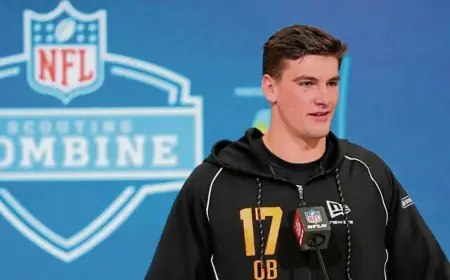
The Nfl Combine 2026 lands with more context than usual: a major winter storm that has disrupted travel on the East Coast, sharply differing tallies of invitees, and a draft class described as deep, dramatic and unpredictable. Those backdrops change what teams prioritize this week in Indianapolis — from medical checks to verification of measurements and whether certain prospects turn tape into a firmer draft standing.
Context rewind: winter storm, travel headaches and why those details matter more than a single 40-yard time
Blizzard of 2026 conditions have left at least one analyst stranded on the East Coast and have battered the I-95 corridor where many team personnel and agents are based. Most players don’t train in the Northeast, so getting prospects to Indianapolis is expected to be less of an issue; getting scouts, agents and some staff there could be harder. Here’s the part that matters: that mismatch shifts the week toward verifiable medical and measurement work already scheduled in Indy rather than last-minute in-person conversations.
What’s easy to miss is how small disruptions can amplify scrutiny — a missed meeting or a delayed private workout can force teams to lean more heavily on testing numbers and medical reports.
Nfl Combine 2026 essentials: dates, site and live coverage window
The event runs across four days, from Thursday, Feb. 26 to Sunday, March 1, with position groups on designated days and a day-by-day schedule assigned. Live coverage is set to begin at 3 p. m. ET on Thursday, Feb. 26 and run until 5 p. m. ET on Sunday, March 1. The on-field workouts and drills will take place at Lucas Oil Stadium in Indianapolis; the combine has been held in Indianapolis since 1987. The number of invitees is inconsistent in the available accounts: one count lists 318 prospects in Indianapolis this week, while another lists 319 — unclear in the provided context.
Prospects and storylines scouts can’t wait to test
This week’s reporting highlights a 21-name short list of particularly watched prospects and several others of note. Specific items teams will verify and evaluate include:
- Zachariah Branch: made 81 receptions during his lone season at Georgia after transferring from USC.
- Thompson: projected small at about 5 feet, 9 inches and roughly 170 pounds; ran a 10. 18-second 100-meter dash in high school; led the FBS with five catches of 50-plus yards in 2025; a pre-week projection sets his 40-yard dash at 4. 28 seconds.
- Other sub-4. 35 40 contenders named: Barion Brown (LSU), Chris Hilton (LSU), Deion Burks (Oklahoma), Eric Rivers (Georgia Tech), Desmond Reid (Pittsburgh), Malik Benson (Oregon).
- Tate: currently the favorite to be the first wide receiver drafted; expected 40 time closer to 4. 4 than 4. 5.
- Thieneman: noted for scheme versatility — can play over the top in coverage or play downhill as a run defender; athletic testing could determine whether he locks into a top-25 grade.
- Simpson: projection range spans from the 13th pick to the 53rd pick; combine items for him include verified height, weight and hand size, passing evaluations when quarterbacks work out, and medical clearance for a late-season issue that is unclear in the provided context; his interviews are expected to go well because he is a coach’s son.
- Bain: flashed dominant moments on 2025 tape but remains polarizing due to a non-traditional body type and shorter arms; some teams see him as a three-tech interior piece rather than an edge rusher; measurements and testing could clarify or deepen the divide.
- Mesidor: often described as the “other” Miami pass rusher but played out of Bain’s shadow this season; has had multiple foot injuries, making his medicals especially important as teams compare testing numbers to his tape that many consider first-round quality.
- Cisse: tape is uneven but was included in a midseason top-50 list.
Analyst takeaways and the draft-class texture
Pre-combine commentary frames the class as lacking freakish top-end prototypes but abundant in depth, drama and unpredictability. That mix is said to favor teams hunting receivers and edge rushers rather than expecting single transcendent talents. One analyst leaned on two named evaluators — Daniel Jeremiah and Todd McShay — when compiling pre-combine takeaways; the annual conversations with those evaluators are part of the pre-week ritual for many analysts.
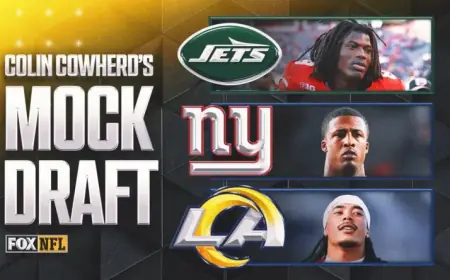
Additional pre-combine movement includes updated rankings from one analyst who added three players to a top-50 list and noted a tight end among the biggest risers, and several analysts producing mock drafts that include surprising positional placements (for example, a projection that a running back, a linebacker and a safety come off the board in the top 10). Evaluations from recent all-star events also created momentum: seven standouts were highlighted from the HBCU Legacy Bowl, and other analysts flagged 10 prospects likely to spark debate.
Signals, implications and quick takeaways
- Measurements and medicals will carry outsized weight this week—especially for prospects with injury histories or non-traditional builds.
- Travel disruptions are more likely to affect staff availability than player participation; expect remote conversations to fill some gaps.
- Expect an emphasis on receivers and edge rushers in draft-grade conversations; top-end prototypes are described as thin in this class.
- Which players change draft range will be confirmed when verified testing numbers, medical clearances and direct QB/receiver or OL/defender matchups are published over the weekend.
The real test will be how teams reconcile measurable data with tape this week — a fast 40 or clean medical report can move a player dramatically, but it won’t erase inconsistent game film. Recent coverage has put a spotlight on 21 prospects some evaluators can’t wait to see, and now those names will get the measurements and medical checks that turn speculation into draft-grade clarity.