
























Nyc Travel Ban Unclear as East Coast Blizzard Dumps 33 Inches and Grounds More Than 5,600 Flights

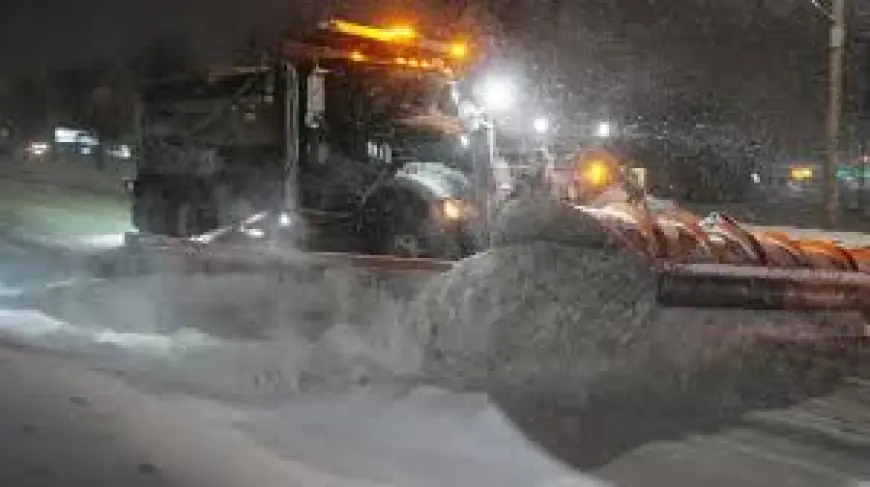
Whether an nyc travel ban has been declared is unclear in the provided context, even as a major winter storm produced near-impossible travel in New York and across the US east coast. The storm left more than 600, 000 homes and businesses without power and prompted cancellation of more than 5, 600 flights into and out of the United States.
Nyc Travel Ban and New York City conditions
A state agency warned of "near impossible" travel conditions in New York as intense snowfall and high winds battered the region. New York City experienced shin-deep snow and fallen trees blocking streets, with time-lapse footage showing the Empire State Building engulfed by snow overnight. It is the first time in nine years that New York City has been placed under a blizzard warning.
New York's Central Park recorded over 19 inches of snow, with the National Weather Center listing almost 20 inches at that location. The volume of snow and persistent winds mean city authorities and emergency services face a multi-day clearance operation; the snow has started to taper off but officials expect it could take several days for life to return to normal on the East Coast.
Providence, Rhode Island and record snowfall
Parts of Rhode Island and Massachusetts saw the heaviest totals, with Providence recording 33 inches (83cm) of snow. That figure smashed the existing single-storm record of 28. 6 inches (72. 6cm) set in February 1978. The combination of deep accumulations and wind is cited as the direct cause of widespread travel disruption and infrastructure strain across the region.
Flights and airport cancellations
Air travel was severely affected: more than 5, 600 flights into and out of the United States were cancelled as the storm slammed northeast airports. The cancellations are a measurable consequence of runway closures, low visibility and sustained winds associated with the storm system that stretched along the Atlantic seaboard.
Power outages concentrated in New Jersey and Massachusetts
Over 600, 000 homes and businesses lost power, with New Jersey and Massachusetts the worst hit. Fallen trees and downed lines are the immediate causes of the blackout reports, and utilities face extended restoration timelines while crews work in hazardous conditions. Millions across the US north-east remain under a state of emergency after the storm brought nearly two feet of snow in some places, along with high winds and cold temperatures.
Local reactions: Times Square, residents and reporters
Scenes from the city captured both inconvenience and curiosity. Berliner Peggy Ferber woke early to visit Times Square in the snow. Resident Mickey Blank described the conditions as "a very unique experience, " saying it "doesn't happen too often in the city that the road is covered and you have to go through mountains of snow, " a remark she made to. Reporters on the ground battled extreme conditions to document impacts, with Brandon Livesay noting blocked streets and deep snow in New York City.
Warnings from North Carolina to northern Maine and eastern Canada
Winter storm warnings stretched from North Carolina to northern Maine, with warnings also in place in parts of eastern Canada. Parts of Canada's Atlantic Coast were affected by the storm system. The National Weather Service issued guidance as the broad warning area left multiple states managing road closures, emergency declarations and resource deployments.
Digital access note: lohud. com browser message
Separately, a regional site displayed a browser support message telling readers their browser was not supported and advising them to download a newer browser for the best experience. The notice emphasized delivering a faster, easier-to-use site but did not relate to operational storm response.
What makes this notable is the storm's broad footprint and concurrent impacts: record-breaking local totals in places such as Providence, systemic power outages concentrated in New Jersey and Massachusetts, and thousands of flight cancellations all driven by the same intense weather system. Whether formal restrictions labeled an nyc travel ban exist remains unclear in the provided context, but the measurable disruptions—snow depths of up to 33 inches, 5, 600-plus cancelled flights, and more than 600, 000 outages—underscore why officials described travel conditions as near impossible.