

























Dementia worries? A study links regular dance to brains 'up to seven years younger'

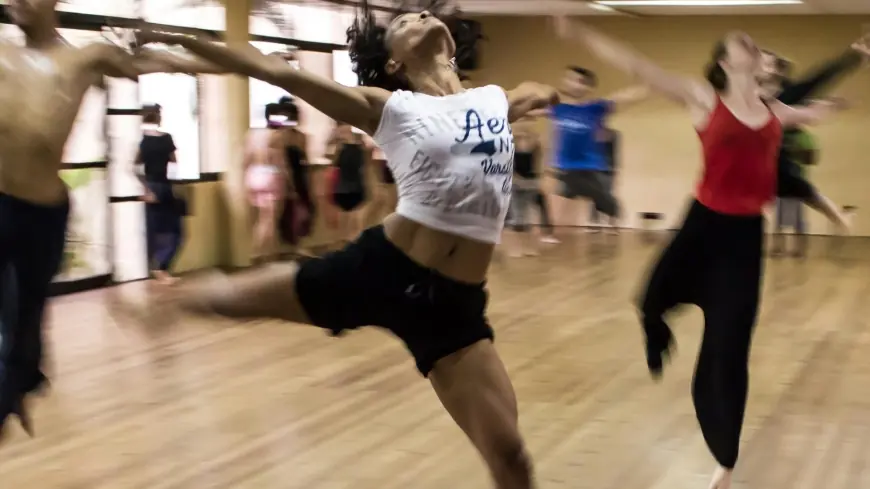
Dementia — a study published in 2025 and summarized in The Body Optimist found that people who dance regularly show brain characteristics that in some markers resemble those of younger people, in some cases by as much as seven years, and that several indicators related to memory and learning appear better preserved.
Dementia and the brain markers seen in dancers
The research, published in Nature Communications, reported differences of up to seven years in certain brain markers when comparing regular dancers with more sedentary individuals; the authors stressed that the brain cannot literally turn back time but that structure or function in some areas more closely resembled younger individuals and that memory and learning indicators appeared to be better preserved.
Why dance engages both body and mind
The study noted dance has a distinctive combination of demands: it is not merely repeating mechanical movement but requires memorizing sequences, anticipating rhythm, coordinating movement in space and, at times, interacting with a partner. Those activities mobilize memory, attention, balance, sensory perception and executive functions simultaneously, the summary said.
Plasticity, music and social interaction
the coverage, this multiple stimulation activates brain plasticity — the brain's ability to create and strengthen neural connections — and current neuroscience links plasticity to learning and preserving cognitive functions. Interpreting music, feeling rhythm and moving in a group stimulate extensive brain networks; music activates areas tied to memory and emotions, and regular social interaction is associated with better mental health.
How often and which styles showed benefits
The Body Optimist piece emphasized that the observed benefits seem primarily linked to regularity: a few sessions per week can be enough, whether the activity is ballroom dancing, salsa, contemporary dance or classes taken at home. The World Health Organization point referenced in the article says regular physical activity helps reduce the risk of cognitive decline, and dance fits those recommendations while adding a playful, creative dimension that can encourage consistency.
Putting the findings in perspective
The coverage cautioned readers against treating the findings as an injunction to stay 'young at all costs. ' While dance was associated with more favorable brain markers, the article emphasized aging is natural — bodies change, skin evolves and pace shifts — and moving should not become added pressure. The most important factors named were consistency and enjoyment: an activity you like is more likely to stick, and gentle but regular repetition supports the brain-stimulation mechanisms described in the study.
What this means next
The article closes by saying dance can be chosen for pleasure, expression or social connection, or people can prefer other activities or simply move when they can — the final line framed dance as an illustration of the link between movement and brain health. Any further steps, additional studies or follow-up plans are unclear in the provided context.