























Is Cancun Safe Right Now? Flights Disrupted as U.S. Embassy Urges Shelter-in-Place

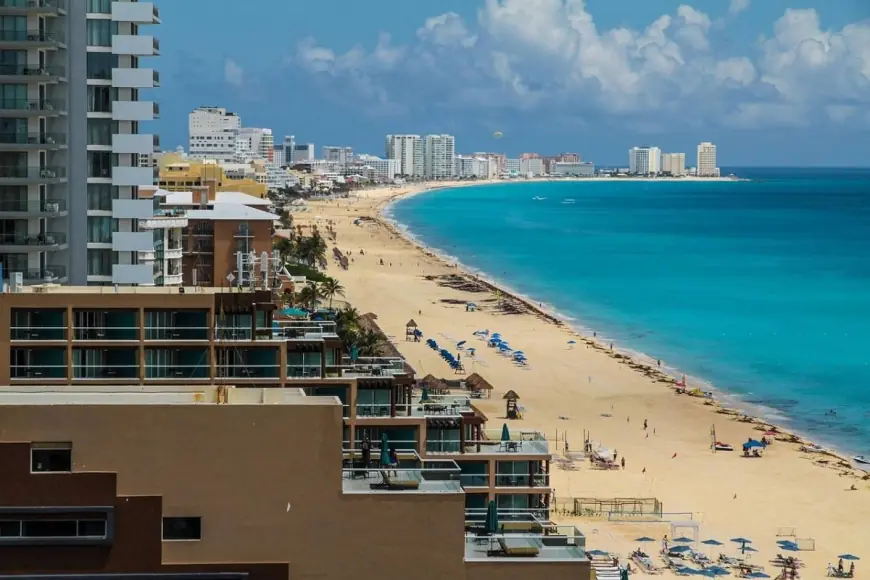
Is Cancun Safe Right Now, travelers ask, after dozens of flights were delayed or canceled at Cancún International Airport on February 23, 2026, leaving hundreds stranded while U. S. Embassy officials issued an updated shelter-in-place alert on February 22, 2026.
Airport stayed open amid cancellations and security reinforcements
On February 23, 2026, Cancún International Airport (CUN) remained operational with no closures even as dozens of flights were delayed or canceled and hundreds of travelers were left scrambling, airport officials confirmed; a reinforced security presence helped keep terminals functioning while airlines worked to stabilize schedules.
Flight tallies, carriers and passenger impacts
A combined total of 62 delays and 29 cancellations were recorded across Cancún and Mexico City, with Cancún registering 40 delayed flights and 23 cancellations and Mexico City showing 22 delays and six cancellations. Aeroméxico logged three cancellations and 10 delays, American Airlines had one cancellation and two delays, Volaris recorded six delays, and Avianca and Delta also experienced delays. Passengers described long queues and extended waits, complications that can force missed connections and lost bookings; Cancún welcomed more than 29 million visitors last year, amplifying the effect of any disruption.
Is Cancun Safe Right Now: U. S. Embassy alert covers Quintana Roo and more
The U. S. Embassy and Consulates in Mexico issued an updated security alert on February 22, 2026, urging American citizens in Cancún and other parts of Quintana Roo—including Cozumel, Playa del Carmen and Tulum—to shelter in place until further notice; the State Department maintains a Level 2 travel advisory for Quintana Roo, advising travelers to exercise increased caution because of civil unrest risks. The local U. S. embassy emphasized that no airports have been closed nationwide and urged travelers to monitor local media, check road conditions and keep family informed of their whereabouts.
Wider security sweep: cities and states named in the shelter-in-place guidance
The Embassy's update recommended shelter-in-place across a broad set of locations. Named areas include Jalisco state (Puerto Vallarta, Chapala and Guadalajara); Baja California state (Tijuana, Tecate and Ensenada); Quintana Roo state (Cancún, Cozumel, Playa del Carmen and Tulum); Nayarit state (Nuevo Nayarit/Nuevo Vallarta near Puerto Vallarta); Sinaloa state (Mazatlán); and areas of Colima, Guanajuato, Guerrero, Estado de Mexico, Michoacán, Nuevo León, Oaxaca, Puebla, Querétaro, San Luis Potosí, Tamaulipas, Veracruz and Zacatecas.
Violence after a major cartel leader's death disrupted roads and flights
The shelter-in-place notice followed a Sunday operation in Tapalpa, Jalisco, in which the Mexican army killed Nemesio Rubén Oseguera Cervantes, known as "El Mencho. " That operation sparked reports of roadblocks, arson and flight disruptions from suspected cartel members across multiple states; while no airports have been closed nationwide, roadblocks contributed to the suspension of most services and the cancellation of most domestic and international flights in Guadalajara and Puerto Vallarta. Rideshare services such as Lyft and Uber were suspended in Puerto Vallarta, and Mexican authorities late on Sunday said operations would be temporarily curtailed on toll roads in Puebla, Guerrero, Tamaulipas, Nayarit, San Luis Potosí, Tijuana, Querétaro, Veracruz and Mazatlán because of blockades.
U. S. government staff orders, travel limits and safety rules
On Monday, U. S. government staff in Guadalajara, Puerto Vallarta, Ciudad Guzmán, Cancún, Playa del Carmen, Cozumel, Reynosa, Tijuana and Michoacán were expected to shelter in place and work remotely, and staff at the Consulate General Monterrey were directed to remain in the Monterrey metropolitan area. U. S. government employees were also directed not to travel to Mazatlán through Wednesday. The guidance restricts after-dark travel between cities for U. S. government employees; those employees may only use regulated taxi stands or app-based services such as Uber or Cabify and are urged to avoid traveling alone, especially in remote areas.
Health warnings: dengue, chikungunya and Zika remain risks
Health agencies note ongoing mosquito-borne risks: dengue is endemic in Mexico, with roughly 141, 421 totalcases and 85 deaths nationwide in 2025; Quintana Roo, Veracruz and Sonora accounted for a notable share of those cases. As of early 2026 through epidemiological week 4, Mexico recorded 185 confirmed cases and 1, 972 probable cases in the first two weeks, an 83% decrease from the same period in 2025. Chikungunya transmission was sporadic in 2025, with just four confirmed infections primarily in Quintana Roo, Chiapas and Yucatán. The Pan American Health Organization says Zika activity has declined sharply since the 2015–2016 epidemic, with four confirmed cases in 2025 compared with 30 in 2024, and that Zika poses particular risks to pregnant women; the U. S. CDC and PAHO emphasize mosquito-bite prevention.
For now, airlines are working to stabilize schedules and travelers are advised to check flight status through official airport portals or airline apps; Mexican passenger-rights rules generally entitle travelers to rebooking or refunds, and passengers are encouraged to speak with airline representatives. The U. S. Embassy's notice remains in effect while the situation evolves; the embassy's final alert text was truncated in the provided context and is unclear in the provided context. Confirmed near-term steps include U. S. government staff shelter-in-place and remote-work orders beginning Monday and travel limits that prohibit travel to Mazatlán through Wednesday.