























Tottenham Vs Arsenal: How tottenham vs arsenal exposed Spurs' tactical frailties and a wider crisis

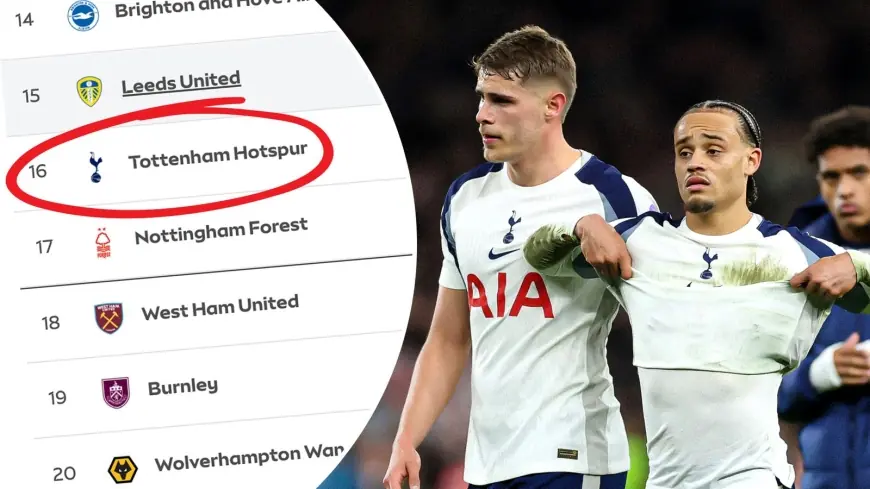
Arsenal ran out 4-1 winners in a north London derby that underlined why the tottenham vs arsenal result matters beyond a single matchday: it exposed Tottenham’s tactical weaknesses under new boss Igor Tudor and deepened a league-position and injury crisis that leaves Spurs precariously close to the drop.
Arsenal’s forwards and right flank dominance
The Gunners' superior quality showed across the game and they were particularly strong down their right-hand side, where Bukayo Saka and Jurrien Timber were dominant. Timber often had time on the ball to pick passes and was left free on the right to set up Viktor Gyokeres for Arsenal’s second goal. Arsenal created moments of quality or skill in attack when it mattered, looked back to levels seen earlier in the season, and could easily have won by more after finishing 4-1 with Gyokeres having made it 4-1 and the team producing many chances.
How Spurs’ 3-5-2 shape under Igor Tudor opened space
Spurs' 3-5-2 shape under new boss Igor Tudor, and the fact they did not just sit in, left space for Arsenal to exploit in forward areas. That system left Xavi Simons, playing as a second striker, having to run back to the left-back position on occasions, while Pape Matar Sarr came over from midfield and Micky van de Ven covered from centre-half. The result was players covering long distances to get back and, at times, a mixture of people not used to defending those areas.
Tottenham Vs Arsenal fallout: league form, position and games remaining
The heavy defeat left Tottenham reeling in 16th and just four points above the Premier League relegation zone. With 11 games to go, Spurs are at crisis point: they have not won any of their last nine top-flight games and, across the past dozen matches, have the worst form in the division. In that spell they have taken just seven points, a run that includes a win at Crystal Palace and a comeback draw against Manchester City. Nottingham Forest and West Ham, the sides immediately below them in the standings, have recorded 12 points each across the same period, making up five points on their gaps to Spurs.
Injuries, suspensions and squad strain compounding Spurs’ problems
The squad is seriously stretched. Right now Tottenham are missing more players than any other Premier League side, with 11 players unavailable. Captain Cristian Romero was suspended for the derby, long-term absences of Dejan Kulusevski and James Maddison have contributed to a lacklustre attacking output this season, and Mohammed Kudus and Wilson Odobert are now missing too. Spurs will have to juggle a Champions League knockout bid in tandem with a relegation battle, and Igor Tudor does not have the luxury Ange Postecoglou had last season of focusing fully on Europe while allowing league form to slide.
Match moments, atmosphere and Spurs’ mentality question
The first half was still in the balance, with Arsenal level at half-time, and there was a spell when it seemed like a close-run thing. Declan Rice went in the space of two minutes from pointing at his temples to encourage teammates after taking the lead, to waving his hands in apology after giving the ball away as Spurs equalised. Pre-match on-pitch announcer Paul Coyte’s rabble-rousing — transforming “a small flame” into “a roaring fire” — drew a strong reaction and contributed to a raucous early atmosphere. Home fans poured out after Viktor Gyokeres had made it 4-1. Observers noted Tottenham’s moments of profound carelessness and flagged Spurs’ mentality as perhaps the biggest problem Tudor must address.
Sarr, defensive miscues and the cross that led to the opener
Tottenham’s reactivity down Arsenal’s right was clear in specific plays: Djed Spence was doubled up on by Bukayo Saka and Jurrien Timber, and Spurs tried to help him. Pape Matar Sarr was left in a left-back position — described visually as the blue white circle on the far right — and was left one-on-one with Saka; he could not stop the cross that led to Arsenal’s first goal. That sequence illustrated how Spurs’ system left inexperienced or out-of-position players defending dangerous areas and not always sure who was doing what and when.