




















Liza Minnelli Says She Was Ordered Into a Wheelchair for 2022 Oscars and Faults Gaga and the Academy

liza minnelli is publicly revisiting her appearance at the 2022 Academy Awards, writing in her memoir and discussing the episode in recent media appearances that she was compelled to sit in a wheelchair while presenting Best Picture — a change she says impaired her ability to read the teleprompter and contributed to onstage confusion. The revelations matter now because they appear in her new memoir and have been reiterated in interviews, renewing scrutiny of the decisions made by awards producers and a high-profile co-presenter.
Liza Minnelli: Development details
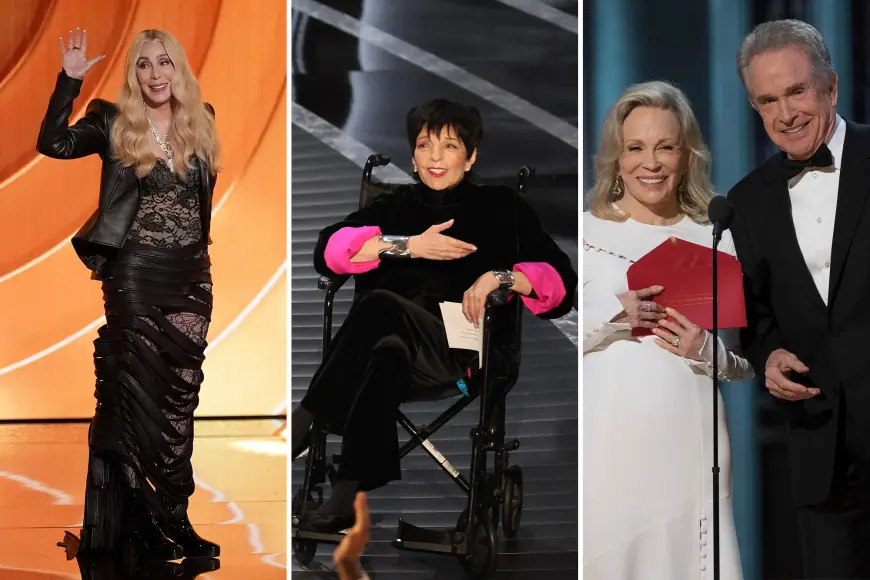
In an excerpt from her memoir Kids, Wait Till You Hear This!, Minnelli says she was "inexplicably ordered — not even asked — to sit in a wheelchair or not appear at all" when she took the stage at the 2022 Oscars to present Best Picture. She had planned to use a tall director's chair, she writes, but was told the wheelchair was necessary "because of my age, and for safety reasons, because I might slip out of the director's chair. " Minnelli was 76 at the time of the ceremony and was celebrating the 50th anniversary of Cabaret that year.
She asserts that her co-presenter, Lady Gaga, "insisted she would not go on stage with me unless I was in a wheelchair, " and that being seated lower in the wheelchair left her unable to see the teleprompter clearly. The result, she says, was that she "stumbled over a few words" while cueing the 10 Best Picture nominees. During the live segment, a standing ovation preceded the presentation and Gaga told the audience, "Do you see that? The public, they love you!" Minnelli then said onstage, "Oh, yes, but now what am I— I don't understand, " as she sorted cue cards. When she faltered, Gaga leaned toward her and said, "I got you. " After the broadcast, Gaga visited Minnelli's dressing room and asked whether she was okay; Minnelli replied, "I'm a big fan. "
Context and escalation
The Best Picture presentation in question followed other high-profile moments during that ceremony, and Minnelli places the blame for the uncomfortable exchange on both the production decision to use a wheelchair and on her onstage partner's refusal to proceed otherwise. She characterizes being told to take the wheelchair as an ultimatum: appear confined to it or not participate. The memoir excerpt frames the physical placement — seated much lower than in a director's chair — as the proximate cause of her difficulty reading the teleprompter and of her subsequent verbal stumble.
Public reaction at the time included an initial standing ovation for Minnelli, but the segment quickly became a focal point for criticism and commentary about how award shows stage-manage aging or iconic performers. Minnelli calls the intervention "bulls---" and says she was "heartbroken" by the insistence that she be wheeled onstage.
Immediate impact
The immediate, measurable impact described by Minnelli is the loss of eye-line to the teleprompter and the onstage stumble that followed. She notes that sitting "much lower down" than planned prevented her from reading the scripted lines with ease, which altered the live delivery of one of the ceremony's final moments. The situation prompted at least one personal exchange backstage — Gaga's dressing-room visit — and has become a prominent anecdote in Minnelli's memoir, ensuring the episode will reach readers beyond the live broadcast audience.
The Academy of Motion Picture Arts and Sciences was tied to the decision-making chain referenced in Minnelli's account; representatives were asked about the episode at the time. The combination of a production choice, a co-presenter's refusal to proceed without that choice, and a visible falter onstage together produced both immediate embarrassment in the moment and a longer-term narrative about how awards shows handle veteran talent.
Forward outlook
The chief upcoming milestone is the publication and wider dissemination of Minnelli's memoir Kids, Wait Till You Hear This!, which contains the detailed account and prompted renewed commentary. Minnelli has also reiterated elements of the story in recent media appearances, which amplifies the episode beyond the original broadcast and ensures it will continue to factor into conversations about awards-show practices.
What makes this notable is the combination of a technical staging decision and interpersonal dynamics: Minnelli attributes a clear causal chain — being placed in the wheelchair made her lower, lower sightlines caused trouble with the teleprompter, and that trouble produced the onstage stumble and the attendant reaction. The memoir's publication sets a fixed record of that sequence, and those quotes and recollections will serve as touchpoints in any future examination of how live events treat elder performers and how production choices affect onstage outcomes.
liza minnelli's account places pressure on producers and participants to explain decision-making in similar moments going forward, and the memoir will mark the next scheduled moment when the full narrative will be available to the public.