

























Cancun Travel Alert: Hundreds Stranded as Flights Delay and U.S. Embassy Urges Shelter in Place

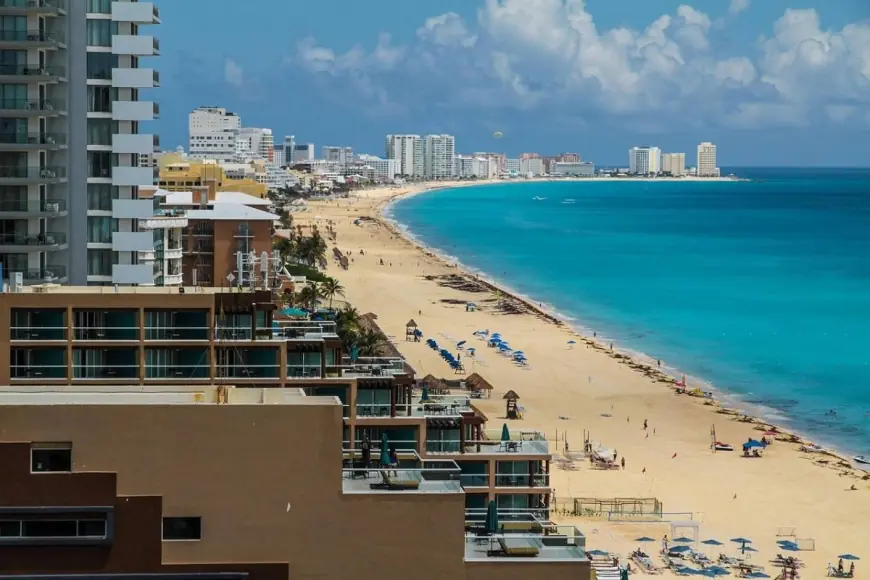
With just a few weeks left until Spring Break 2026 in the United States, Cancun is facing travel disruption and heightened safety concerns. On February 23, 2026, travelers at Cancun International Airport experienced dozens of delays and cancellations that left hundreds stranded amid reinforced security measures, and the U. S. Embassy issued an updated alert the day before urging American citizens in Cancun and other parts of Quintana Roo to shelter in place.
What happened at Cancun International Airport
Operations at Cancun International Airport (CUN) remain ongoing and the airport has not been closed, but the terminal experienced significant disruptions on February 23, 2026. Dozens of flights were delayed or canceled, leaving hundreds of travelers scrambling. Airport officials confirmed the facility is operational while a reinforced security presence has been deployed to help maintain functionality. Airlines are working to stabilize schedules as ripple effects continue throughout the day.
The immediate chaos at Cancun is linked to broader regional instability that has complicated crew movements and logistics, contributing to the wave of delays and cancellations.
U. S. Embassy travel alert for Cancun and Quintana Roo
An updated security alert issued on February 22, 2026 urged American citizens in Cancun and other parts of Quintana Roo—including Cozumel, Playa del Carmen, and Tulum—to shelter in place until further notice. The alert cites ongoing security operations, road blockages, and heightened criminal activity as the primary concerns. The State Department travel advisory for Quintana Roo remains at Level 2: Exercise Increased Caution, warning of risks from civil unrest. The embassy emphasized that while no airports have been closed nationwide, travelers should monitor local media, check road conditions, and keep family informed of their whereabouts.
Wider airport disruptions and airline impacts
Disruptions were not limited to Cancun. Benito Juárez International Airport in Mexico City was also affected, amplifying travel chaos across two of the country’s busiest air hubs. Across the two airports a combined total of 62 delays and 29 cancellations were recorded: Cancun accounted for 40 delayed flights and 23 cancellations, while Mexico City logged 22 delays and six cancellations.
Multiple carriers operating domestic and international routes were impacted. Specific operational tallies included Aeroméxico with three cancellations and 10 delays, American Airlines with one cancellation and two delays, and Volaris with six delays; Avianca and Delta also reported delays. Passengers at affected airports reported long queues, extended waits and confusion as airlines reorganized schedules. For travelers with tight connections, delays of several hours can result in missed tours, lost hotel bookings and unexpected expenses.
Cancun welcomed more than 29 million visitors last year and serves as a key gateway connecting North America and Europe to Mexico’s Caribbean coast. Even modest disruptions can spread quickly through airline rotation schedules and crew assignments. Contributing factors cited by aviation officials and travel teams include surging passenger volumes, operational pressures on airlines, crew availability and weather-related disruptions. The burden of rerouting aircraft and assisting passengers falls largely on airlines and airport operations teams when delays accumulate.
Health risks in Quintana Roo: dengue, chikungunya and Zika
In addition to security concerns, travelers to Cancun and surrounding areas in Quintana Roo should be aware of ongoing risks from mosquito-borne illnesses: dengue, chikungunya and Zika, transmitted primarily by Aedes mosquitoes. Dengue remains endemic in Mexico and in 2025 Mexico reported approximately 141, 421 total cases, resulting in 85 deaths nationwide. Quintana Roo and neighboring states such as Veracruz and Sonora accounted for a notable share of cases last year.
As of early 2026 (through epidemiological week 4), Mexico recorded low activity with 185 confirmed cases and 1, 972 probable cases reported in the first two weeks; this represents an 83% decrease compared to the same period in 2025, though experts warn of potential seasonal increases as the year progresses. Chikungunya transmission has been sporadic and low in recent years: in 2025 only a handful of cases were documented nationwide, with reports indicating just four confirmed infections, primarily in Quintana Roo, Chiapas, and Yucatan. Zika activity has declined sharply since the 2015–2016 epidemic; in 2025 there were four confirmed cases nationwide, down from 30 in 2024. Zika poses particular risks to pregnant women due to potential birth defects. The U. S. CDC and the Pan American Health Organization emphasize mosquito bite prevention.
Practical advice for travelers and what to expect next
Operations continue at Cancun International Airport, but travelers should expect potential delays and allow extra time as operations stabilize. Travelers are advised to check flight status through official airport portals or airline apps before departing for the terminal. Mexican passenger rights regulations generally entitle travelers to rebooking or refunds for canceled flights, and passengers are encouraged to speak directly with airline representatives about their options. Monitoring local media, checking road conditions and keeping family or companions informed of whereabouts remain key safety steps while the situation evolves.
About the reporter
Prakriti Deb is a journalist on the U. S. Desk who works on stories related to American politics, crime, sports, entertainment and weather. She particularly enjoys covering political developments that have global ripples. She previously worked with another digital news organization. She holds a postgraduate degree in Mass Communication with a specialization in Journalism and a bachelor’s degree in English Literature. Outside the newsroom she enjoys traveling and storytelling in many forms, including conversations, painting, theatre, dance and photography; the context is unclear regarding the completion of her comment about appreciating discussions that "challen".