















Jalisco operation kills cartel leader 'El Mencho' and unleashes nationwide wave of attacks

Mexican security forces located and killed Rubén Nemesio Oseguera, known as 'El Mencho', in an operation in the forest of jalisco on Sunday, a mission that set off hours of clashes and a wave of retaliatory attacks across the country. The government reported the operation’s consequences on Monday as authorities moved to restore order and lift the road blockades that stranded travelers.
Jalisco forest operation and the capture that ended with death
The operation targeted a position in the bosque de Jalisco and culminated in the location of El Mencho, the leader of the Cártel Jalisco Nueva Generación. Mexican security forces found him after tracing his partner and monitoring his inner circle, with U. S. intelligence providing information to aid the search. During a confrontation with the Ejército in the sierra de Jalisco he was wounded and later died while being transported to hospital. The United States had offered a $15 million reward for information leading to his capture.
Casualties: initial and subsequent tallies
Early reports from the operation described seven presumed narcotraficantes killed and three military personnel wounded. Government accounting released on Monday expanded the toll: 25 members of the Guardia Nacional were listed among the state forces killed; additionally, a worker from the Fiscalía de Jalisco, a custodio and a woman died in the hours of violence that followed the leader’s fall. Authorities also attributed the deaths of 30 alleged narcotraficantes to the events that unfolded around the operation.
Violence prompts 57 investigations across 14 states
The Fiscalía General de la República opened 57 carpetas de investigación into the violence that erupted in 14 Estados. The attacks included petrol-borne and arson actions that hit multiple regions and produced a concentrated wave of damage in key locations. The arrests, killings and reprisals occurred in a tight timeline from the Sunday operation into Monday as security forces sought to re-establish control.
Puerto Vallarta burnings and impact on commerce
One of the most visible consequences was in Puerto Vallarta, where at least two hundred vehicles were set alight, leaving a trail of burned cars in the tourism hub. Dozens of shops and commercial properties were also torched in several states. Fomento Económico Mexicano (Femsa), operator of thousands of Oxxo stores and one of Mexico’s largest employers, reported more than 200 incidents at its stores and service stations on Monday and said it activated emergency protocols immediately in response to the attacks.
Security alerts, stranded tourists and national response
The United States Embassy in Mexico issued a security alert for U. S. citizens because of road blockages, military operations and criminal incidents following the fall of the cartel leader. The alert identified impacts in Jalisco — including Puerto Vallarta, Chapala and Guadalajara — and listed additional affected states: Baja California, Quintana Roo, Nayarit, Sinaloa, Colima, Guanajuato, Guerrero, Estado de México, Michoacán, Nuevo León, Oaxaca, Puebla, Querétaro, San Luis Potosí, Tamaulipas, Veracruz and Zacatecas. Tourists were left stranded during the disturbances, and guidance was issued about canceling flights and seeking safe routes.
Defense recognition and a declared shift in strategy
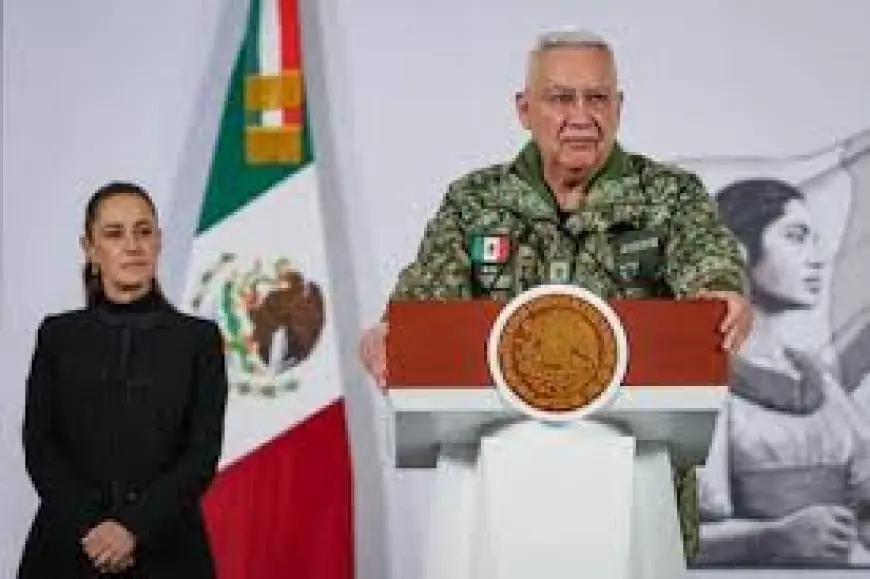
Secretary of Defense Ricardo Trevilla publicly recognized the agents who fell during the operation and framed the mission as an assertion of state authority in the fight against the cartels. the action marked a departure from the previous administration’s security posture associated with the phrase “abrazos, no balazos” used by the former president. The government emphasized that the narcobloqueos blocking highways had been lifted and that normality had been reestablished in affected areas.
Because security forces were able to trace El Mencho through his close contacts and partner, they executed a targeted operation that neutralized the cartel leader but also provoked immediate, large-scale reprisals across multiple states. What makes this notable is the rapid escalation from a single operation in Jalisco to coordinated attacks affecting tourism, commerce and public safety nationwide, prompting dozens of formal investigations and emergency measures by businesses and diplomatic missions.