
























New Jersey Travel Restrictions Lifted as State Remains Under Blizzard State of Emergency

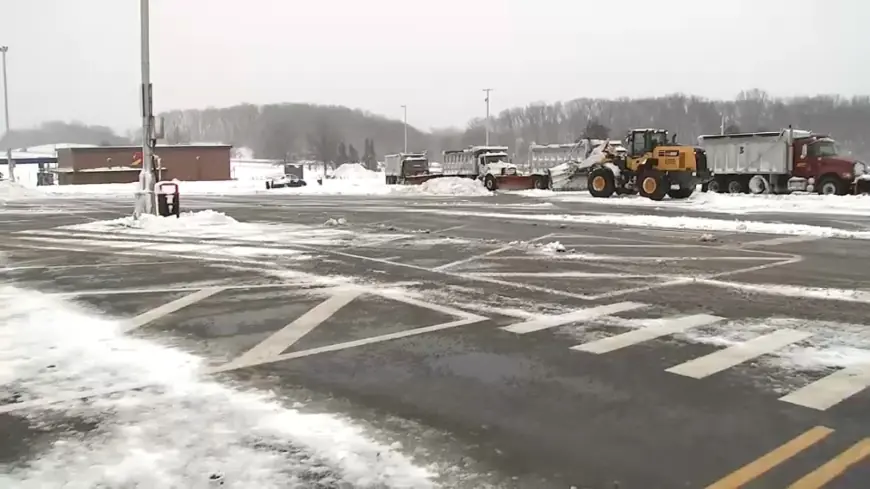
The New Jersey Travel Restrictions that placed a mandatory ban on nonessential movement have been lifted, but emergency officials warn that hazardous conditions persist and residents should avoid unnecessary travel. The shift comes as a statewide blizzard warning — the first to cover every county in three decades — continues to produce heavy, wind-driven snow and elevated coastal flooding risk.
New Jersey Travel Restrictions: What changed and why it matters
The mandatory travel restriction that began late Sunday night was ended at noon Monday ET, reopening roadways formally closed under the ban. Even with the ban lifted, state leaders are urging motorists to stay off the roads while crews work to clear snow, address downed trees, and restore power where outages have occurred. Emergency managers emphasize that conditions remain dangerous in many areas due to snow-covered roadways, limited visibility in places, drifting, and strong winds.
Storm impact, emergency actions and public-safety guidance
State authorities declared a statewide state of emergency in response to the storm. By Monday morning, many locations had already received more than a foot of snow as winds continued to whip, creating whiteout conditions in places. Officials warned the combination of heavy, wet snow and powerful winds was likely to cause downed trees and widespread power outages, and coastal flooding warnings remained in effect for communities near bays, rivers and tidal waterways.
Key operational steps taken during the event included:
- A commercial vehicle ban on highways (except the Turnpike) that took effect mid-Sunday.
- Reduced speed limits on major roadways to 35 mph to improve safety where travel remained allowed.
- Suspension of transit services: buses and light rail services were halted in the evening, and rail service was suspended later that night.
- Large-scale clearance and recovery mobilization, with thousands of workers and thousands of pieces of equipment deployed along with hundreds of thousands of tons of salt to treat roads.
- Mutual aid from outside the state, including crews brought in to assist utility restoration and clearing operations.
Law-enforcement and emergency responders remain on heightened alert. The State Emergency Operations Center is staffed around the clock, and search-and-rescue teams with specialized vehicles and snowmobiles are on standby for stranded motorists and other emergencies. Officials reiterated a simple safety message to residents: avoid travel when possible and heed coastal flood warnings—turning around in flooded areas remains critical to preventing drownings.
What residents should expect next and practical tips
With the travel ban lifted, some roadways will gradually reopen, but recovery is expected to be uneven. Crews will continue clearing major arteries first while local teams work on secondary roads. Residents should plan for potential prolonged outages and hazardous local conditions as crews prioritize road clearing and power restoration. Practical actions recommended by officials include staying home when possible, preparing for power disruptions, and avoiding travel through flooded or snow-packed sections of road.
Public messaging makes clear that while formal New Jersey Travel Restrictions have been rescinded, the removal of the ban does not mean normal travel conditions have returned. Motorists are urged to use extreme caution, postpone nonessential trips, and follow emergency guidance as crews press ahead with recovery efforts. Details of restoration timelines will evolve as crews assess damage and clear infrastructure, and officials caution that conditions may change rapidly.