
























Septa: service status unclear as more than a foot of snow buries Philadelphia region and prompts broad travel shutdowns

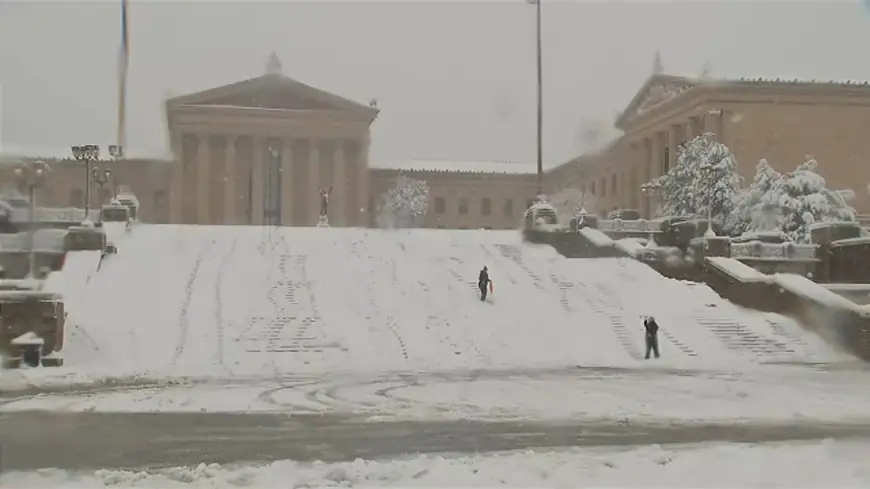
The storm’s impact hit airports, highways and local services first — and the situation for septa is unclear in the provided context even as regionwide disruptions mount. More than a foot of snow fell across Philadelphia and many surrounding communities, with totals topping 20 inches in spots. Flights, intercity rail and delivery networks were halted while officials declared emergencies and warned of prolonged hazardous conditions.
Septa, airports and regional transit: who felt the first wave of disruption
Here’s the part that matters: major travel networks were knocked offline as the nor'easter moved in. More than 10, 000 flights were canceled nationwide, including more than 600 at Philadelphia International Airport. Amtrak suspended its Keystone Service, which runs between Harrisburg and Philadelphia, until at least noon on Monday; at least 12 trains were canceled by Sunday night. The Pennsylvanian trains between New York City and Pittsburgh were expected to operate on a normal schedule Monday. DoorDash suspended operations in Philadelphia and New Jersey, stopping deliveries as of 9 p. m. Sunday and not resuming until at least 12 p. m. Monday, dependent on conditions. The reportable status of septa service is unclear in the provided context.
Storm snapshot and official alerts
The National Weather Service characterized the system as a classic bomb cyclone/nor'easter off the Northeast coast and warned Monday that perilous conditions could persist. The weather service noted the combination of heavy snowfall and strong winds would continue to produce blizzard conditions along the Northeastern Seaboard and sharply reduced visibility, making travel extremely treacherous. A bomb cyclone was defined in the context as a storm that drops at least 24 millibars in pressure within 24 hours.
Road closures, mandatory travel restriction and city operations
Officials declared states of emergency for Pennsylvania, New Jersey and Delaware, and Philadelphia issued a citywide snow emergency. The New Jersey Office of Emergency Management, under the Division of the New Jersey State Police, extended a mandatory travel restriction that began at 9 p. m. on Sunday, February 22, 2026; it was set to remain in effect until 12 p. m. on Monday, February 23, 2026. The extension was described as necessary due to ongoing hazardous conditions including heavy snowfall, blizzard-like conditions and strong winds. Residents were urged to avoid all non-essential travel while roadway crews worked to clear roadways. All non-exempt vehicles were prohibited from operating on state, county, municipal and interstate roadways during the restriction; the New Jersey Turnpike was listed as exempt and violators may face penalties under state law. The travel restriction does not apply to: unclear in the provided context.
Local incidents, outages and field response
PennDOT crews were active in South Philadelphia with snow plows on the roads. A tree fell into the roadway in Rittenhouse Square under the weight of heavy snow. In Atlantic City, heavy snow and high winds were observed on the ground. A tractor trailer was involved in an accident just east of exit two on the Atlantic City Expressway; it was not immediately clear whether there were injuries. At least 15, 000 people were without power in Southern and Central New Jersey on Sunday evening around 8 p. m., based on outage maps from Jersey Central Power & Light and Atlantic City Electric.
- Snow totals: more than a foot across the region; some spots topped 20 inches.
- Timing: snow began in Philadelphia early Sunday evening and was expected to continue through Monday afternoon, with the heaviest snowfall overnight into the morning.
- Rates: forecasters said bands could produce rates up to two inches an hour at times; by nightfall some areas had 1–2 inches.
What’s easy to miss is how many separate systems were paused at once — air, intercity rail, delivery and local collections — which amplifies the practical effects of prolonged road closures and power outages.
Micro timeline of key, verifiable moments
- Early Sunday evening: rain shifted to snow across the region; snow began falling in Philadelphia.
- 9 p. m. Sunday, Feb. 22, 2026: New Jersey’s mandatory travel restriction began.
- Sunday evening (~8 p. m. ): roughly 15, 000 customers without power in Southern and Central New Jersey.
- By Sunday night: at least 12 Amtrak trains canceled; DoorDash deliveries suspended starting 9 p. m.
- 12 p. m. Monday, Feb. 23, 2026: travel restriction set to expire unless conditions change.
One forward-looking signal: confirmations that travel restrictions are lifted and Keystone Service resumes at or after the stated noon target would signal a meaningful easing; details beyond that are unclear in the provided context.
The real test will be how quickly crews can clear major arteries and restore power while the National Weather Service cautions about continuing blizzard conditions and low visibility.