




















Pseg update on Long Island power outages and safety tips

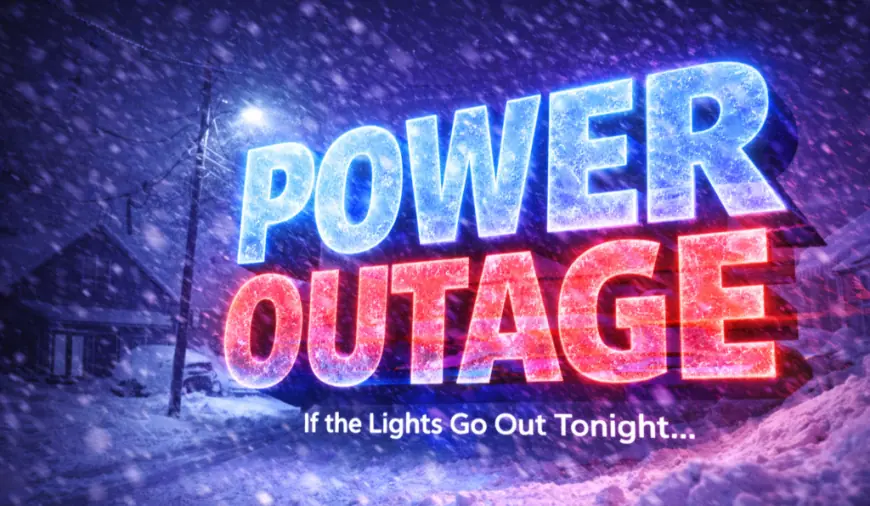
Heavy snow and coastal wind gusts moving across Long Island tonight have prompted warnings for Hempstead, Brookhaven and nearby communities to prepare for possible overnight power outages. pseg is referenced here as a keyword for local outage information; residents should follow official notices and local emergency guidance as conditions evolve.
Pseg outage guidance for residents
If electricity fails, remain indoors and avoid stepping outside to assess conditions until daylight. Overhead power lines can be stressed when wind and wet snow combine, and downed lines may not be visible in the dark. Reduced visibility and drifting snow can also delay response efforts. pseg notices or other local advisories may appear; pay attention to any official messaging you receive from local providers.
If power goes out tonight in Hempstead or Brookhaven
The immediate concern during an outage is heat. Many Long Island homes rely on electric systems to circulate warm air; without power, indoor temperatures can fall steadily through the night. To retain warmth, close off unused rooms, seal drafts along doors and windows, and wear layered clothing. Avoid stepping outside to check for damage until daylight, when hazards such as snow-covered streets, hidden ice and downed lines are easier to see.
Heat, carbon monoxide and food safety
Authorities caution against using generators, grills or propane heaters inside garages or other enclosed spaces because carbon monoxide buildup can occur quickly and without warning. Keep battery-operated carbon monoxide detectors active and within reach. To preserve perishables, limit opening refrigerators and freezers so they retain cold air longer. Put phones into low-power mode to conserve battery life in case charging is unavailable.
Snowfall is expected to continue overnight; preparation and caution are critical across Long Island as crews work to restore service once daylight improves visibility. If conditions remain hazardous, expect response timelines to be extended until it is safe to travel and access affected areas. If you rely on electrically powered heating or medical equipment, identify backup plans now and follow any emergency instructions provided by local authorities or your service provider.
- Stay indoors until daylight; avoid downed lines and hidden ice.
- Keep carbon monoxide detectors active; never use indoor combustion devices.
- Limit fridge/freezer openings and set phones to low-power mode.