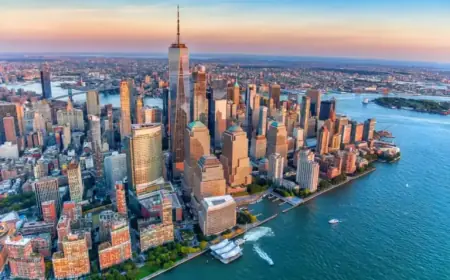

























New York Weather: new york weather prompts travel ban as Zohran Mamdani declares emergency

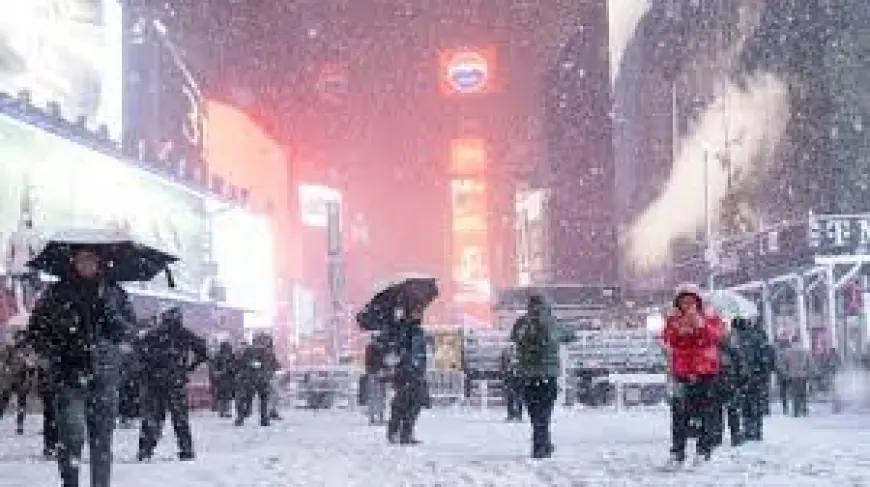
New York City mayor Zohran Mamdani declared a state of emergency and ordered a citywide travel ban as new york weather from a powerful nor'easter began slamming the US north-east. The storm has already knocked out power for tens of thousands of properties and prompted widescale cancellations and closures across the region.
New York Weather travel ban
Mamdani imposed a full travel ban in New York City beginning on Sunday evening and running until noon local time on Monday, with a more specific window noted by city officials as 9pm on Sunday to noon on Monday for non-essential travel. The ban will not apply to essential workers or New Yorkers needing to travel because of emergencies. Mamdani said all streets, highways and bridges would be shut to traffic apart from for emergencies, and that public schools would have a full "snow day" on Monday: "No online school, no remote learning, full classic snow day. " He also told News: "Staying home means you are staying safe. "
Power outages and cancellations
The storm cut power to tens of thousands of properties. As of 03: 00 local time (08: 00 GMT), nearly 90, 000 properties were without power in New Jersey alone, with tens of thousands more affected in Delaware, Maryland and Virginia, PowerOutage showed. Airlines and airports were severely disrupted: around 5, 500 US flights were cancelled on Sunday and hundreds more were delayed, FlightAware recorded, and thousands more cancellations followed on Monday. One account put cancellations through Monday at more than 6, 000, with major hubs including John F Kennedy, LaGuardia, Newark, Philadelphia and Boston Logan among the hardest hit.
Snow totals and forecasts
Forecasters warned that much of the US north-east and Canada's maritime provinces would be affected from Sunday evening into Monday. Large swathes of the region had already seen several inches of snow, with 10 inches (25cm) recorded in Manorville, New York, and Howell, New Jersey, as of midnight local time (05: 00 GMT on Monday). The US National Weather Service warned the storm could drop an estimated 2-3 inches per hour and that snowfall could reach 1-2ft (30-60cm) in places, creating "nearly impossible" travel conditions that were "extremely treacherous. " NWS meteorologist Cody Snell said: "While we do get plenty of these nor'easters that produce heavy snow and strong impacts, it's been several years since we saw one of this magnitude across this large of a region in this very populated part of the country. "
Regional wind and surge threats
The system was expected to be the most powerful nor'easter in nearly a decade across much of the region, bringing not only heavy snow but fierce winds and coastal flooding. Forecasts warned of wind gusts as high as 70mph and a storm surge of 2 to 4ft that could cause moderate coastal flooding and beach erosion from Delaware Bay to Cape Cod, a stretch of almost 400 miles to the north, during high tide cycles. The weather service cautioned that whiteout conditions "will make travel treacherous and potentially life‑threatening, " and that the strong winds and weight of snow on tree limbs may down power lines and cause sporadic outages.
City operations and closures
New York officials mobilized multiple responses ahead of the storm. The city said it had brought in additional snow‑clearing equipment from outside the city and planned to expand use of geocoding to track bus stops, crosswalks, pedestrian ramps and unsheltered stops that need clearing. City officials recruited people to shovel snow on foot, some beginning work on Sunday night to get an early start on the first wave of snowfall. Outreach workers were assisting unhoused New Yorkers into shelters and warming centers. Broadway shows were cancelled on Sunday evening, and the New York Racing Association cancelled Sunday's eight horse races at the Aqueduct Racetrack.
State action and wider impacts
States of emergency were declared across the north‑east as the storm approached. One account put the number of people under weather warnings at some 59 million, while another noted warnings affecting more than 35 million people from Maryland to Massachusetts. Several states instituted travel restrictions or bans because of the blizzard. New York governor Kathy Hochul declared a state of emergency for the whole state and put 100 members of the National Guard on ready alert. Residents and officials warned that this was the first blizzard warning for New York City in nine years and that the storm represented the second major snow event of Mamdani's new administration after 19 people died during a three‑week cold snap in January. Brooklyn resident Brandon Smith said: "It's gonna be difficult for most New Yorkers to get around because we still have to go to work. It's unfortunate [roads] are suspended as jobs are not gonna stop calling us in. "
Forecasters and weather presenters were providing ongoing updates as the situation evolved; one named presenter in the coverage was Matt Taylor.
City officials and regional agencies continued to warn residents to stay off roads where bans or restrictions were in place and to seek shelter as the storm moved through from Sunday night into Monday.
Closing — Mayor Zohran Mamdani's state of emergency and the citywide travel ban came as a powerful nor'easter moved through the US north‑east, producing heavy snow, high winds, coastal flooding risk, widespread outages and large numbers of cancelled flights from Sunday evening into Monday.